How to Grow and Care for Syngonium Arrowhead Plant Indoors
Syngonium podophyllum
After growing and propagating over 150 Syngonium specimens in dry, centrally heated homes and low-light Northern rooms over the past 9 years, we have perfected the watering, light, and humidity techniques that keep leaves compact and prevent the dreaded winter leaf drop.
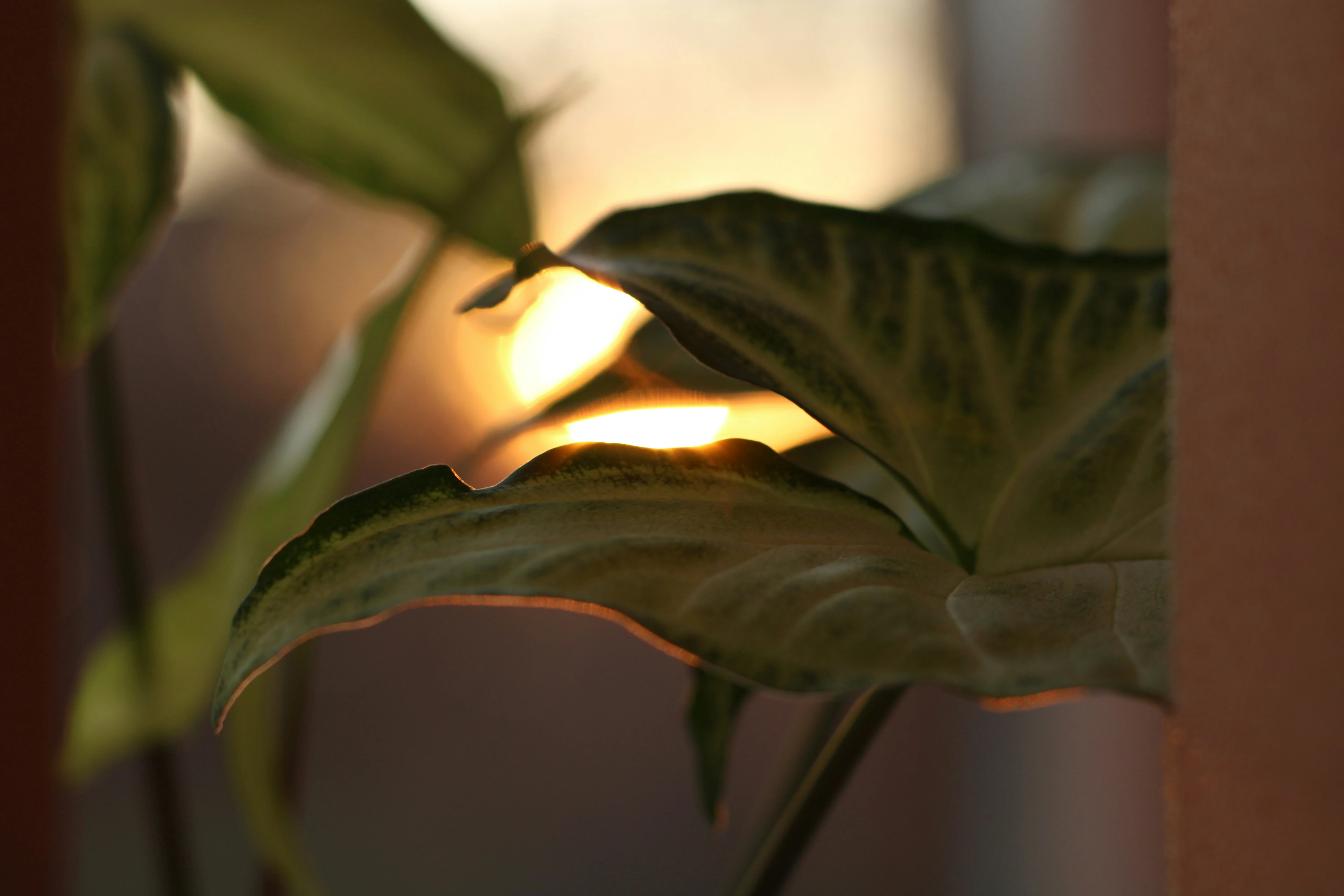
-
Light
Bright, filtered light is essential for compact growth and strong variegation. East or north-facing windows are ideal. Too little light causes rapid stretching and loss of leaf patterns.
-
Temperature
18°C to 27°C (65°F to 80°F)
Growth
fast
pH Range
5.5 to 7.0
-
Biggest Owner Mistake
Overwatering because the thin, soft leaves suggest a high-moisture need—but syngoniums have surprisingly robust roots that rot easily in persistently wet soil, and the symptoms (yellowing leaves, mushy stems) appear rapidly once root damage begins. Let the top inch of soil dry out before watering.
-
What Nobody Tells You
The classic arrow-shaped juvenile leaves completely transform as the plant matures—providing a moss pole for it to climb triggers the production of multi-lobed adult leaves with 3–5 distinct sections, which look like an entirely different species. Most owners never see the adult form because they keep the plant trailing.
-
Real Home Conditions
In low light, variegated varieties lose their cream, pink, or lime-green coloring and produce solid green leaves, because the plant maximizes chlorophyll at the expense of decorative pigments. They survive in shade but the color that makes them worth buying requires bright indirect light.
Quick Answer
Provide bright indirect light and water when the top 2-3 cm of soil dries. Keep humidity above 50% using a humidifier or pebble tray, and protect from cold winter drafts and radiator blasts. Prune leggy stems to maintain compact shape. Toxic to pets.
Light
Syngonium thrives in bright, filtered light. In a Western home, an east or north-facing window is perfect—soft morning sun and indirect light the rest of the day. Direct afternoon sun, even through glass, will scorch the thin leaves, leaving bleached, papery patches. The most common problem is low light during the dark winter months. When daylight drops to 7-8 hours, Syngonium responds by stretching its stems dramatically (etiolation) and reducing leaf size and variegation. Pink and white varieties revert to green. To prevent this, move the plant as close to the window as possible without touching the freezing glass, and consider adding a full-spectrum grow light for 10-12 hours a day. Rotate the pot weekly so the plant doesn’t lean permanently toward the light. The dappled understory conditions it evolved in mean Syngonium can adapt to moderate light, but the trade-off is always less colour and a looser shape.
Temperature
Syngonium prefers a steady 18°C to 27°C (65°F–80°F). It can survive brief dips to 10°C (50°F), but sustained cold causes blackened, mushy leaves. The greatest danger is a winter windowsill. Even double-glazed panes can conduct freezing outdoor temperatures, chilling the root zone. Cold, wet soil stops the roots from working, and leaves yellow and drop rapidly. Simultaneously, a radiator under the sill blasts hot, ultra-dry air over the foliage, desiccating the leaf tips. Place the pot at least 15 cm back from the glass in winter and shield it from direct radiator airflow. In summer, air-conditioning vents create a similar cold-draft shock; keep the plant out of direct air streams.
Humidity
As a tropical aroid, Syngonium needs high humidity—ideally 60% to 80%. A centrally heated living room in a UK or North American winter often hovers around 30%. At that level, the leaf edges crisp and brown tips appear. This happens because the stomata (pores) on the leaves remain open for photosynthesis, but water is lost faster than the roots can replace it. Use a room humidifier, set the pot on a pebble tray, or group plants together to create a beneficial microclimate. Misting alone is insufficient in heated air, but a light morning mist can help if done daily. Avoid misting late in the day as water sitting on leaves overnight encourages fungal spots. If you see brown edges developing, our brown crispy tips guide walks you through the full recovery process.
Watering
Water thoroughly with tepid filtered water when the top 2–3 cm of the potting mix feels dry. In summer, that might be every 5–7 days; in winter, every 10–14 days. The plant’s water use drops sharply in low light and cool temperatures. Overwatering is the fastest way to kill a Syngonium. Soggy soil excludes oxygen, and the roots suffocate and rot. The first sign is yellowing lower leaves while the soil is still wet. Tap water containing fluoride or chlorine leads to brown, burnt leaf tips. Always let the water run through the drainage holes and discard any that collects in the saucer. Watering in the morning gives the foliage time to dry during the day, reducing disease risk.
Soil
The ideal mix mimics the chunky, fast-draining forest floor. A recipe of 40% coco coir, 30% perlite, 20% orchid bark, and 10% worm castings works beautifully. This structure creates large air pores for oxygen exchange while retaining just enough moisture. Dense, standard potting soil compacts over time and smothers the roots. The mix should drain rapidly—water should flow out the bottom within seconds. A slightly acidic to neutral pH (5.5–7.0) ensures nutrients are available.
Fertilizer
Feed every 4 weeks from March to September with a balanced liquid houseplant fertiliser (10-10-10 or 20-20-20) diluted to half strength. Syngonium is not a heavy feeder, and excess salts burn the roots, turning leaf margins brown. Flush the soil with plain water every 2–3 months to prevent buildup. Stop feeding entirely in autumn and winter. When the plant’s growth naturally slows, adding fertiliser forces weak, spindly stems. Organic options like seaweed extract provide gentle nutrition without salt stress.
Propagation
Syngonium propagates easily from stem cuttings. Snip a healthy stem just below a node—the knobby point where leaves and aerial roots emerge. Place the cutting in a jar of filtered water, making sure the node is submerged. Roots will appear in 7–10 days in a warm, bright spot. Once roots are 5 cm long, pot several cuttings together in moist aroid mix for a full, bushy plant from the start. Pinch out the growing tips of young plants to encourage branching.
Repotting
Repot every 1–2 years in spring when roots are circling the drainage holes or the plant dries out almost immediately after watering. Choose a pot only 2–3 cm wider. Syngonium likes a slightly snug root zone; overpotting creates a large volume of wet soil that leads to rot. After repotting, water sparingly for a week to let disturbed roots heal. For a detailed step-by-step, see our repotting shock rescue guide.
Toxicity
All parts of Syngonium contain calcium oxalate crystals, making it toxic to cats, dogs, and humans if ingested. Symptoms include oral irritation, drooling, and difficulty swallowing. Keep the plant on a high shelf or in a room where pets can’t reach it. Wash your hands after handling, especially if you have sensitive skin.
Common Problems
Leggy, bare stems with small pale leaves: Insufficient light. Move to a brighter spot and prune back to a node to regenerate dense growth. Yellowing leaves with brown tips: Overwatering, cold drafts, or fluoride toxicity. Adjust watering, relocate from drafts, and use filtered water. Wilting despite moist soil: Root rot from overwatering. Unpot, trim blackened roots, and repot in fresh dry mix. Spider mites: Thrive in dry heated air. Fine webbing and stippling. Treat with neem oil and raise humidity.
Recommended next actions
Next Best Actions
Use calculators and guides to turn this plant profile into a practical care routine.
Calculator
Humidity Calculator
Assess your home's current humidity and get specific improvement recommendations for tropical houseplants like Calatheas, Orchids, and Ferns.
Plant Guide
Spider Plant
Discover why Spider Plants are making a massive comeback. Learn how to care for them properly, prevent crispy brown tips, and propagate their tiny spiderettes.
Guide
Why Do My Houseplants Have Brown, Crispy Tips?
With over 15 years of indoor plant diagnostics and more than 3,000 leaf-tissue cases analyzed, we've mapped the exact mechanisms behind brown crispy tips—fluoride accumulation, salt toxicity, and humidity deficits—so you can reverse damage today.
Guide
ZZ Plant Care Guide: Growing Zamioculcas Zamiifolia Indoors
After growing ZZ plants across offices, low-light apartments, and sun-drenched rooms for over eight years, we have worked out exactly how this rhizome-powered survivor operates — and why the growers who kill it are almost always doing one specific thing wrong.
Guide
Fiddle Leaf Fig Care Guide: Growing Ficus Lyrata Indoors Without the Drama
After growing and recovering fiddle leaf figs across eight years — including plants that dropped half their leaves the week after purchase — we've identified the exact triggers behind leaf drop and the straightforward conditions that keep Ficus lyrata thriving long-term.
Calculator
Heat Stress Diagnosis Calculator
Diagnose plant heat stress risk from your temperature, humidity, sunlight exposure, and symptoms — then get specific watering, shade, and airflow actions.
Structured Plant Data
Plant Data Profile
Care values below are generated from the plant JSON fields so users and crawlers can read the structured plant profile directly on the page.
Growth Characteristics
Growth Rate
fast
Mature Height
90-180 cm (3-6 ft) trailing or climbing
Mature Spread
60-90 cm (2-3 ft)
Life Cycle
Perennial
Flowering Season
Rarely flowers indoors
Container Friendly
yes
Indoor Capable
yes
Environmental Parameters
| Parameter | Recommended | Survivable |
|---|---|---|
| Temperature | 18°C to 27°C (65°F to 80°F) | 10°C to 35°C (50°F to 95°F) |
| Humidity | 60% to 80% | 40% to 80% |
| Soil PH | 5.5 to 7.0 | 5.0 to 7.5 |
Lighting
Description
Bright, filtered light is essential for compact growth and strong variegation. East or north-facing windows are ideal. Too little light causes rapid stretching and loss of leaf patterns.
Nutrients
Nitrogen Demand
moderate
Phosphate Demand
moderate
Potassium Demand
moderate
Micronutrient Notes
Sensitive to fluoride and chlorine; filtered water helps prevent brown tips. Occasional calcium and magnesium supports healthy foliage.
Fertilizer Frequency
Every 4 weeks in spring/summer with half-strength liquid feed; no fertiliser in autumn and winter.
Organic Options
Compost tea, seaweed extract, or diluted worm castings.
Relationships
-
Root Rot
Vulnerability | Strength 8
Overwatering, especially in winter when the plant's water uptake is low, leads to root suffocation and Pythium rot.
-
Spider Mites
Vulnerability | Strength 7
Dry centrally heated air encourages spider mites; regular misting, humidifiers, and leaf cleaning prevent infestations.
Popular Syngonium Varieties for Indoor Growers
| Variety | Key Feature | Size |
|---|---|---|
| White Butterfly | White-green variegated arrowhead leaves; very forgiving in moderate light | Trails 90-180 cm |
| Pink Allusion | Soft pink veins on deep green leaves; the most popular pink cultivar | Trails 60-120 cm |
| Neon Robusta | Shocking neon-pink leaves that intensify in bright indirect light | Trails 60-90 cm |
Troubleshooting Guide
1 Leaves turning yellow with crispy brown edges, and stems becoming leggy
Cause: Low humidity from central heating combined with insufficient light and possible fluoride toxicity from tap water
Increase humidity to above 50% with a humidifier, move to a brighter location, and water with filtered water. Prune bare stems back to a node to encourage fresh growth.
Glossary of Terms
- Aroid
- A plant belonging to the Araceae family, characterised by a spadix and spathe inflorescence and often containing calcium oxalate crystals for defence. Includes Syngonium, Monstera, Philodendron, and Peace Lily.
- Etiolation
- The process by which a plant grown in insufficient light develops abnormally elongated, weak stems and small pale leaves as it redirects energy toward reaching a light source.