How to Grow Roses in Pots: The Complete Container Rose Guide
After successfully overwintering and propagating over 200 potted roses over the last 15 years in small balcony gardens, we have mastered the exact techniques needed for container roses.
Quick Answer
How to Grow Roses in Pots — Complete Container Guide: After successfully overwintering and propagating over 200 potted roses over the last 15 years in small balcony gardens, we have mastered the exact techniques needed for container roses. Use it to make practical plant-care decisions quickly, with clear next steps based on symptoms, e...
Why Grow Roses in Pots?
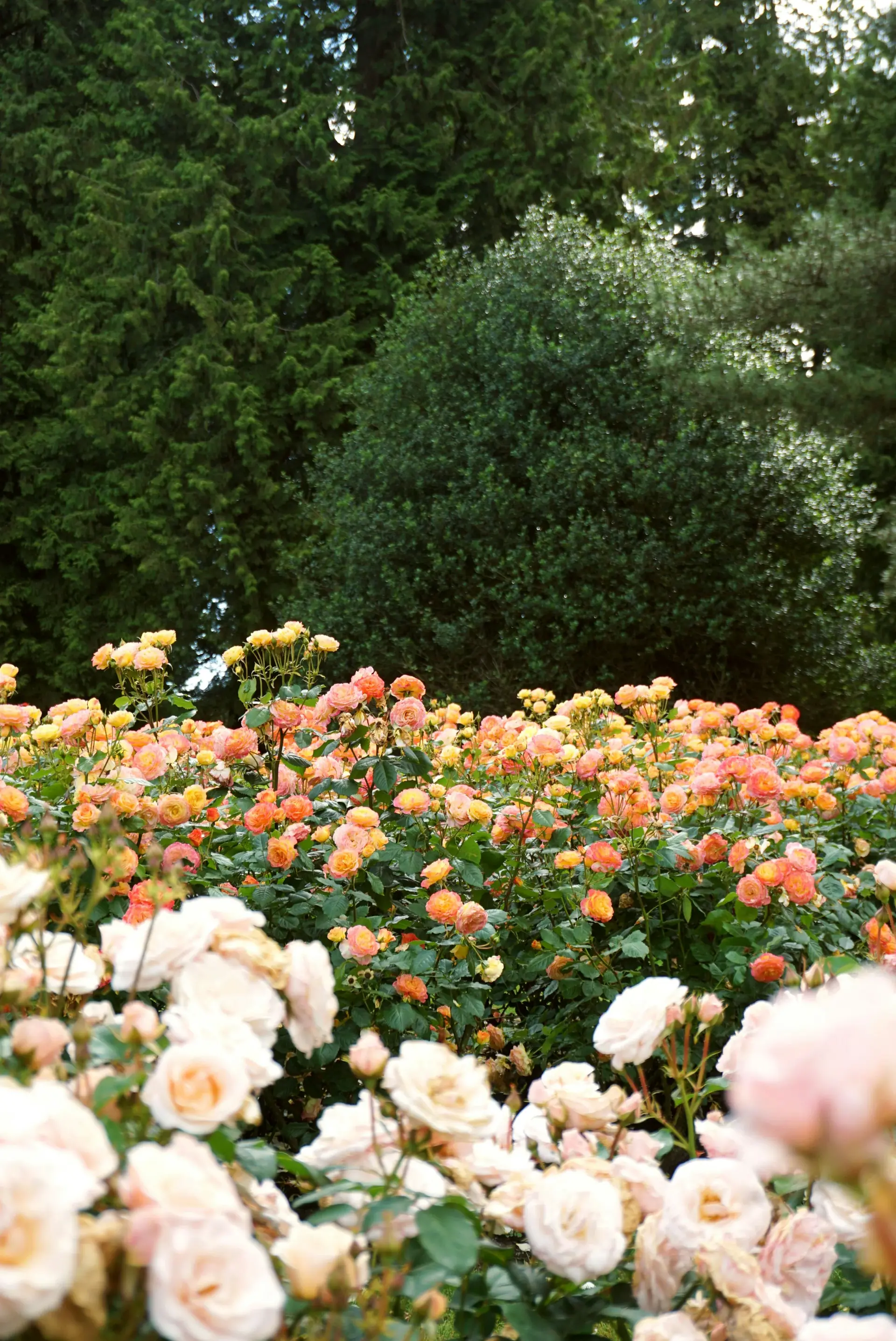
Growing roses in pots opens up a world of possibilities for gardeners with limited space, poor soil, or a desire to add movable color to patios and balconies. With the right techniques, container roses can be just as healthy and floriferous as garden-grown ones.
Popular Potted Rose Varieties
Miniature Roses
Perfect for 10–12 inch pots, these bloom prolifically and stay extremely compact. They are excellent for small sunny balconies.
Patio Roses
These grow slightly larger and bloom constantly throughout the season, requiring a 15–18 inch pot for best results.
Floribundas
These adapt well to large pots and produce massive clusters of flowers, making them incredible statement pieces.
Essential Care Requirements
Temperature
Roses thrive in 60-80°F (15-27°C) weather. Most are cold-hardy to zone 5 in the ground, but container roots freeze faster. Below 20°F (-7°C), pots must be protected.
Humidity
They prefer 40-60% humidity. If humidity is too high with poor airflow, they are extremely susceptible to powdery mildew and black spot. Keep foliage dry.
Light
Place your potted rose where it receives at least 6 hours of direct sunlight daily. Morning sun is highly preferred to quickly dry the morning dew off the leaves.
Watering
Check daily by inserting a finger into the top inch of soil. If it feels dry, water deeply until it runs out the bottom. In peak summer, this may be an everyday task.
Soil
Use a rich, well-draining mix: 60% high-quality potting mix, 20% coarse perlite for drainage, and 20% organic compost for sustained nutrients.
Fertilizing Potted Roses
Nutrients leach out quickly from containers, so regular feeding is essential. Use a balanced, water-soluble fertilizer (10-10-10) every two weeks from early spring to midsummer. When the first buds appear, switch to a bloom-booster formula (like 10-30-20) to encourage massive flowering. Stop fertilizing 6–8 weeks before your first expected frost to allow the plant to harden off.
Step-by-Step Propagation Guide
Roses can be propagated successfully from stem cuttings taken in early summer.
- Take a 6-inch cutting from a healthy, recently bloomed stem, cutting at a 45-degree angle just below a node.
- Remove all lower leaves, leaving only the top two sets of leaflets.
- Dip the cut end into a high-quality rooting hormone powder.
- Plant the cutting into a small pot filled with moist perlite and peat moss.
- Cover with a clear plastic bag to maintain high humidity and keep in bright, indirect light until roots form in 4-6 weeks.
Repotting Guide
Every 2–3 years, or when roots circle the pot bottom, repot into a container one size larger (at least 15 inches deep). Always ensure the pot has multiple drainage holes. The best time to repot is early spring before active growth begins. Always use entirely fresh potting soil to replenish depleted nutrients and restore aeration.
Toxicity Warning
Roses are completely non-toxic to cats, dogs, and humans. The only danger they present is physical injury from their sharp thorns, so place pots where pets will not accidentally brush against them.
Common Problems & Solutions
- Yellowing leaves often indicate overwatering or blocked drainage holes. Ensure water runs freely out the bottom and allow the top inch of soil to dry before watering again.
- White powdery coating on leaves is powdery mildew, caused by poor airflow and humid nights. Space pots further apart and treat with a baking soda spray.
- Black spots on the foliage are a fungal disease worsened by wet leaves. Always water at the base of the plant in the morning, never overhead at night.
- Tiny webs and stippled leaves mean spider mites, which thrive in hot, dry conditions. Spray the foliage forcefully with water and treat with neem oil.
Recommended next actions
Next Best Actions
Move from reading to action with related calculators, plant profiles, and quiz-based recommendations.
Plant Guide
Bougainvillea
A complete Bougainvillea care guide covering watering, sunlight, pruning, fertilizers, propagation, flowering cycles, and troubleshooting for healthy vibrant blooms.
Calculator
Watering Calculator
Calculate the correct watering frequency for your plant based on species, pot size, soil type, season, and climate.
Plant Guide
Monstera Deliciosa
Learn how to care for a Monstera Deliciosa indoors. Discover expert tips on moss poles, lighting for fenestrations, watering, and managing aerial roots.
Plant Guide
Pink Princess Philodendron
Learn how to successfully care for the Pink Princess Philodendron. Discover the exact light and humidity requirements to maintain its deep pink variegation.
Calculator
Fertilizer Calculator
Calculate the exact fertilizer dose and feeding schedule for your plant based on species, pot size, growth stage, and season.
Calculator
Grow Bag Sizing Calculator
Find the perfect grow bag size for your plant based on root depth, plant type, and expected mature size.