How to Grow Lavender: The Complete Guide from Planting to Pruning
After cultivating over 10 acres of commercial lavender and testing dozens of varieties in pots over the past decade, we have perfected the precise watering and pruning methods needed to keep your lavender alive and blooming for years.
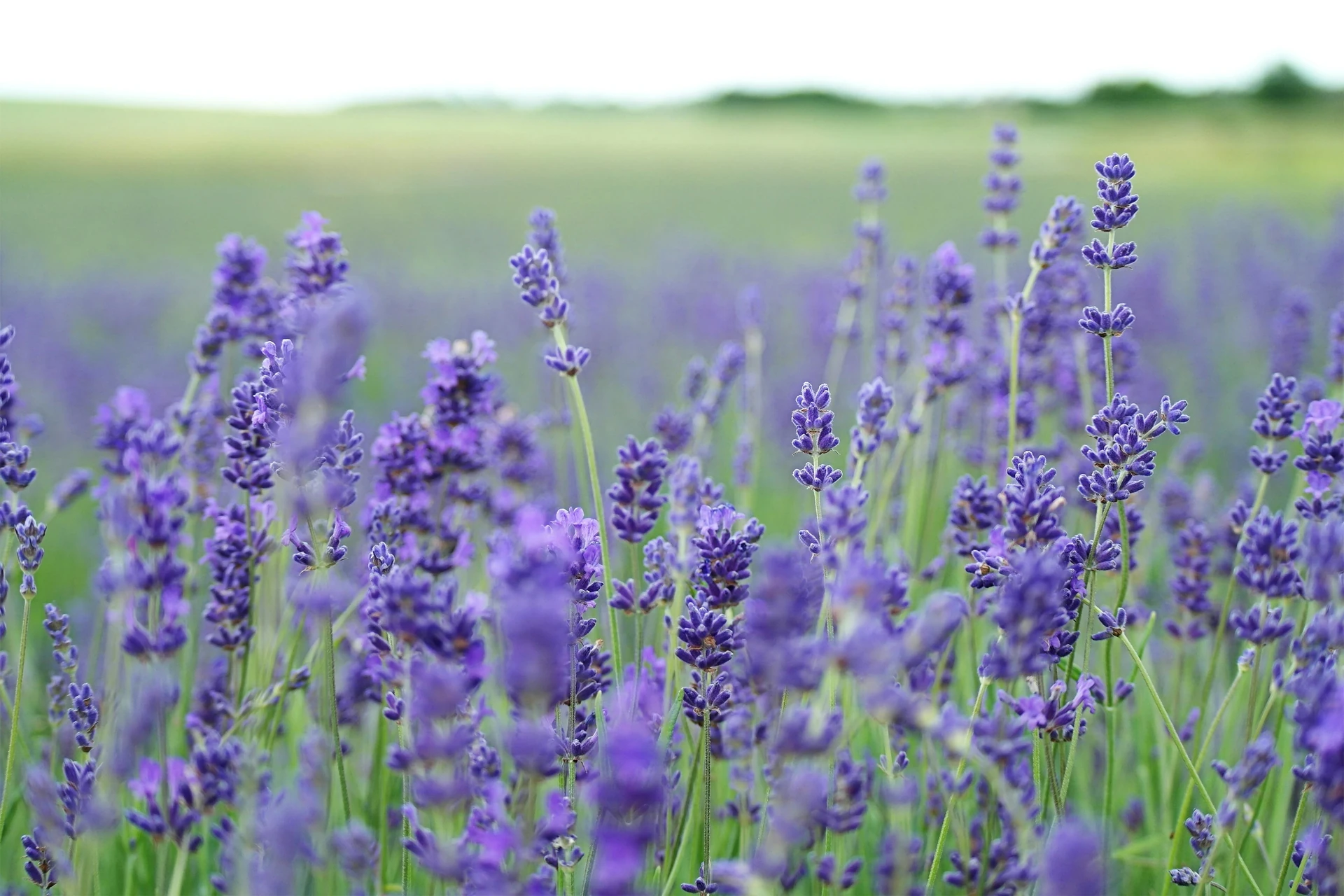
Quick Answer
The Ultimate Guide to Growing Lavender: After cultivating over 10 acres of commercial lavender and testing dozens of varieties in pots over the past decade, we have perfected the precise watering and pruning methods needed to keep your lavender alive and blooming for years. Use it to make practical plant-care decisions quickly, with cl...
Unlocking the Secrets of Mediterranean Herbs
If you want to master growing lavender, the secret lies in mimicking its native Mediterranean environment. Lavender (Lavandula) is beloved for its soothing fragrance, striking purple flowers, and exceptional drought tolerance. However, many indoor and outdoor gardeners struggle with root rot and leggy growth. By understanding its core needs—intense sun, alkaline, fast-draining soil, and minimal watering—you can cultivate robust, long-lived plants.
Essential Care Requirements
Temperature
Lavender thrives in hot, dry summers between 70–90°F (21–32°C). English lavender is incredibly cold-hardy, surviving down to -20°F (-29°C) in winter. However, tender Spanish and French lavenders will die if temperatures drop below 15°F (-9°C).
Humidity
Lavender requires low ambient humidity (below 40%). In highly humid climates (like the US South), the moisture trapped against the foliage quickly causes fatal fungal diseases. Good airflow is mandatory.
Light
To maximize essential oil production, lavender absolutely demands full, intense sunlight. Plant it in a location receiving 8+ hours of direct sun daily. In shaded conditions, the plant becomes leggy and rarely blooms.
Watering
The golden rule for lavender: less is more. Allow the soil to dry out completely 2 to 3 inches deep before watering deeply. Overwatering is the number one cause of lavender death.
Soil
Lavender demands exceptionally well-draining, slightly alkaline soil (pH 6.5–8.0). If you have heavy clay, you must amend it heavily with coarse sand, pea gravel, or pumice to prevent root rot.
Fertilizer Needs
Lavender is uniquely adapted to poor, rocky soil. You should rarely, if ever, fertilize lavender in the ground. A single application of a low-nitrogen, organic compost in early spring is sufficient. Heavy nitrogen fertilizers fuel weak, floppy foliage at the expense of fragrant blooms and reduce the lifespan of the plant.
Propagation Guide for Lavender
Lavender is best propagated through semi-hardwood cuttings taken in late summer.
- Take a 4-inch cutting from a healthy, non-flowering side shoot.
- Strip the leaves off the bottom 2 inches and scrape the bark slightly.
- Dip the stripped end into rooting hormone.
- Plant in a small pot filled with moist coarse sand and perlite.
- Keep lightly moist in bright, indirect light until roots form in 4 to 6 weeks.
Repotting Guide for Container Lavender
When growing lavender in pots, always use an unglazed terracotta container to allow the soil to breathe and dry out rapidly. Repot every 1 to 2 years in early spring. When repotting, only increase the pot size by 1-2 inches. Always use fresh, fast-draining potting soil mixed with at least 40% perlite or coarse sand.
Toxicity Warning
While lavender is safely used in human culinary dishes and teas, the essential oils and compounds in the plant are toxic to dogs, cats, and horses if ingested in large quantities, causing gastrointestinal upset and lethargy.
Common Problems & Solutions
- Woody, split centers occur when the plant is not pruned annually. Always perform a hard prune in late summer, cutting back the green growth by one-third.
- Drooping, yellowing leaves at the base of the plant are a definitive sign of overwatering and impending root rot. Stop watering immediately and check drainage.
- Gray fuzz on the inner stems is Botrytis blight, caused by poor airflow and high humidity. Space plants further apart and prune out the dead, infected material.
- Lack of blooms is almost always caused by insufficient direct sunlight or the application of heavy nitrogen fertilizers.
Recommended next actions
Next Best Actions
Move from reading to action with related calculators, plant profiles, and quiz-based recommendations.
Plant Guide
Bougainvillea
A complete Bougainvillea care guide covering watering, sunlight, pruning, fertilizers, propagation, flowering cycles, and troubleshooting for healthy vibrant blooms.
Plant Guide
Lavender
A hardy, aromatic perennial herb prized for its purple flowers and soothing fragrance. Master its need for dry, rocky soil and intense sunshine.
Plant Guide
Monstera Deliciosa
Learn how to care for a Monstera Deliciosa indoors. Discover expert tips on moss poles, lighting for fenestrations, watering, and managing aerial roots.
Calculator
Watering Calculator
Calculate the correct watering frequency for your plant based on species, pot size, soil type, season, and climate.
Calculator
Grow Bag Sizing Calculator
Find the perfect grow bag size for your plant based on root depth, plant type, and expected mature size.
Calculator
Potting Mix Ratio Calculator
Calculate the ideal potting mix ratios for any plant type — from moisture-loving tropicals to drought-tolerant succulents.