How to Increase Humidity for Calatheas: Stop Brown Edges for Good
After maintaining high-humidity greenhouse environments and rescuing hundreds of tropicals over the last 10 years, we have mastered the exact microclimate techniques needed to keep Calatheas thriving without crispy brown edges.
Quick Answer
Mastering Humidity for Calatheas: The Expert Guide: After maintaining high-humidity greenhouse environments and rescuing hundreds of tropicals over the last 10 years, we have mastered the exact microclimate techniques needed to keep Calatheas thriving without crispy brown edges. Use it to make practical plant-care decisions quickly, wi...
Why Calatheas Demand High Humidity
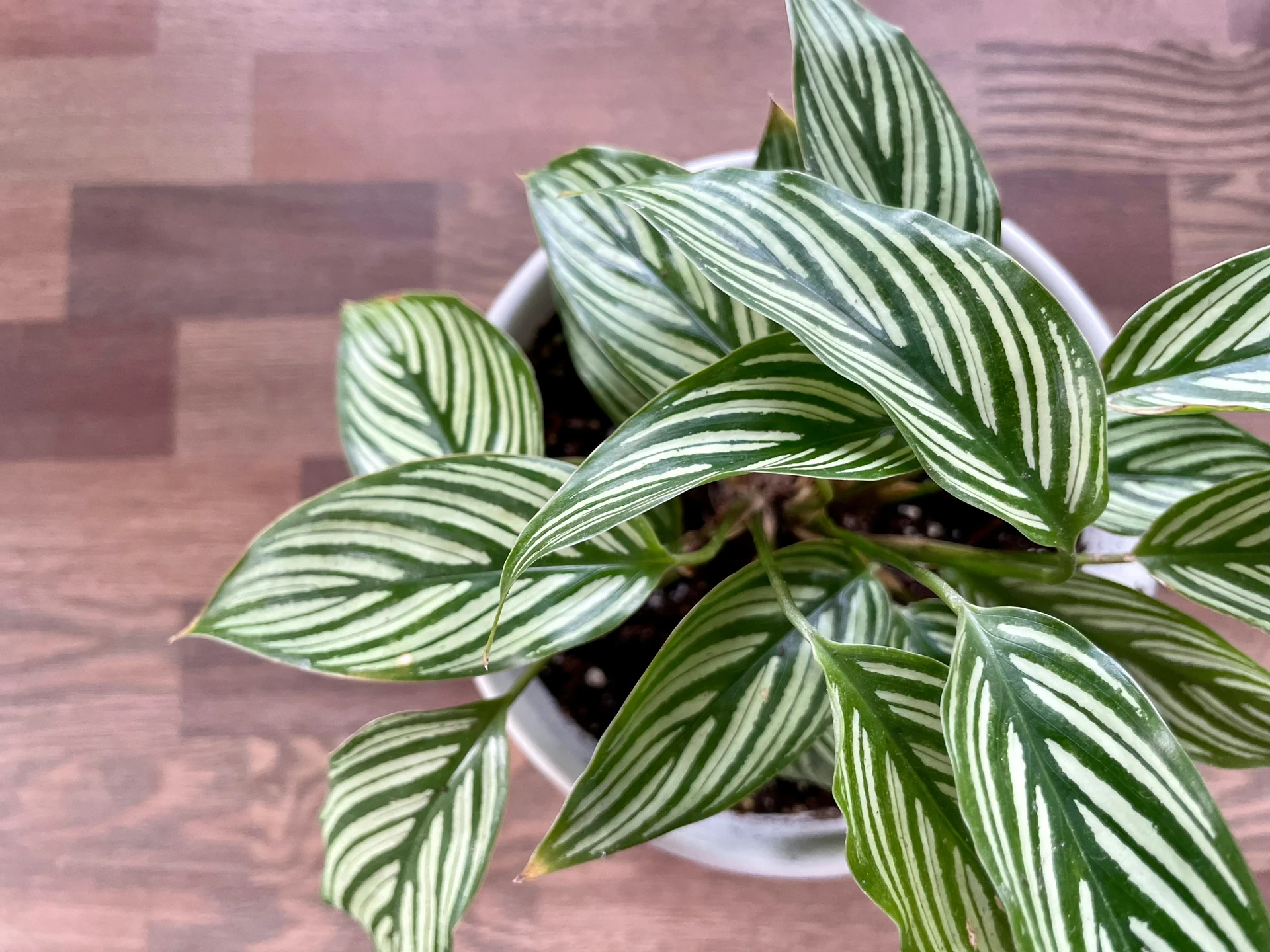
Having grown and rescued dozens of prayer plants over the past decade, we know that ambient humidity is the single biggest hurdle for indoor gardeners. Native to the damp, heavily shaded floor of the South American rainforest, Calatheas expect ambient humidity levels between 60% and 80%. When most homes sit at a dry 30% to 40%, these demanding tropicals quickly develop dreaded crispy brown edges and curling leaves. To truly master Calathea care, you need consistent, passive moisture.
Essential Care Requirements
Temperature
Keep it consistently between 65–85°F (18–29°C) during the day. Never let temperatures drop below 60°F (15°C) or expose the plant to cold drafts from AC units or windows.
Humidity
Target a strict range of 60-80%. If the environment drops below 50% for extended periods, the plant will rapidly develop crispy brown edges and slow its growth entirely.
Light
Provide medium to bright indirect light. If given too little light, the striking patterns will fade. Direct sun will scorch the leaves and bleach the colors rapidly.
Watering
Check the soil moisture frequently. Water thoroughly when the top 1 to 2 inches of soil feel dry. Reduce watering frequency during the winter dormancy period, but never let the soil bone dry.
Soil
Use a chunky, well-draining yet moisture-retentive aroid mix containing peat moss, coarse perlite, and fine orchid bark.
Fertilizing Calatheas
During the active growing season (March–September), feed every 4 weeks with a balanced liquid fertilizer (NPK 10-10-10) diluted to half strength. Reduce to once every 6–8 weeks in winter. Flush soil with plain water every 2–3 months to prevent mineral salt buildup, which contributes to brown leaf edges.
Proven Methods to Increase Humidity
Dedicated Humidifiers
This is the absolute gold standard for indoor jungles. An ultrasonic or evaporative humidifier placed a few feet away ensures a constant 60%+ humidity level without wetting the foliage. This permanently stops brown edges from forming.
Plant Grouping (The Microclimate Effect)
Plants naturally release invisible water vapor through a process called transpiration. By clustering your Calatheas, Marantas, and ferns together, you create a localized, self-sustaining humid microclimate.
Pebble Trays
Fill a shallow tray with pebbles and water, then sit the plant pot on top. As the water evaporates, it creates a slow, steady column of moisture around the plant's foliage. Ensure the water level sits below the pebbles so the roots do not sit in water and rot.
The Myth of Misting
Many plant parents instinctively reach for a spray bottle, but misting is actually an ineffective strategy. It only raises local humidity for a few fleeting minutes, and leaving standing water on Calathea leaves can quickly encourage fungal diseases and bacterial leaf spots.
Step-by-Step Propagation Guide
Calatheas cannot be propagated by leaf or stem cuttings; they must be propagated through root division. Follow these steps during early spring:
- Carefully remove the mature Calathea from its pot and gently massage the root ball to loosen the soil.
- Identify natural division points where distinct clumps of stems meet the root system.
- Gently untangle the roots by hand, using sterilized pruning shears only if you need to cut through a stubborn rhizome.
- Repot each new division into its own appropriately sized container using a fresh, moisture-retentive potting mix.
- Keep the new plants in very high humidity (70%+) and indirect light while they establish their roots over the next few weeks.
Repotting Guide
Repot your Calathea every 1 to 2 years, ideally in the spring before the active growing season begins. Only increase the pot size by 1 to 2 inches in diameter. Always use fresh soil to replenish nutrients and ensure proper aeration, as old soil becomes compacted and waterlogged.
Toxicity Warning
Good news for pet owners! Calatheas are entirely non-toxic to cats, dogs, and humans. They contain no harmful compounds, making them perfectly safe statement plants for pet-friendly households.
Common Problems & Solutions
- Brown leaf edges are the most frequent issue and indicate low humidity or chemical sensitivity. Switch to distilled water or rainwater and increase room humidity to at least 60%.
- Leaves curling inward typically mean the plant is severely underwatered or the ambient air is too dry to support transpiration. Check the soil moisture immediately and water deeply if dry.
- Yellow leaves typically indicate overwatering or poor drainage. Check the bottom of the pot for soggy soil and ensure your container has adequate drainage holes.
- Fading patterns mean the plant is receiving insufficient indirect light. Move the plant closer to a bright window while keeping it out of direct sun rays.
Recommended next actions
Next Best Actions
Move from reading to action with related calculators, plant profiles, and quiz-based recommendations.
Plant Guide
Monstera Deliciosa
Learn how to care for a Monstera Deliciosa indoors. Discover expert tips on moss poles, lighting for fenestrations, watering, and managing aerial roots.
Plant Guide
Pink Princess Philodendron
Learn how to successfully care for the Pink Princess Philodendron. Discover the exact light and humidity requirements to maintain its deep pink variegation.
Plant Guide
Spider Plant
Discover why Spider Plants are making a massive comeback. Learn how to care for them properly, prevent crispy brown tips, and propagate their tiny spiderettes.
Calculator
Humidity Calculator
Assess your home's current humidity and get specific improvement recommendations for tropical houseplants like Calatheas, Orchids, and Ferns.
Calculator
Fertilizer Calculator
Calculate the exact fertilizer dose and feeding schedule for your plant based on species, pot size, growth stage, and season.
Calculator
Neem Oil Spray Calculator
Calculate the correct neem oil dilution ratio for your spray bottle size, plant type, and pest severity — safely and without burning leaves.