BOTANICAL INTELLIGENCE
The Intelligence Engine for All Things Botanical.
Search plants, diseases, pests, calculators, and expert guides in one place.
Trusted botanical knowledge
Expert verified
Always practical
What would you like to do today?
Jump straight to what you need
Explore Plant Knowledge
Essential plant care topics
Plant Care Tools
Smart tools for better plant care
Trending Now
Trending Plant Care Issues
Popular Houseplants


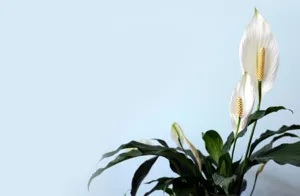
Common Plant Care Problems
FAQ
Plant Care FAQ
Quick answers to the most common plant care questions. For more detailed troubleshooting, explore our topic guides.
Why are my houseplant leaves turning yellow?
Yellow leaves are the most common indoor plant complaint and usually point to one of four causes: overwatering (soggy soil, root rot), underwatering (bone-dry soil, crispy edges), low light (pale uniform yellowing), or a nitrogen deficiency (older leaves yellow first). Check the soil before anything else — push a finger 2 inches in. If it's wet, stop watering and improve drainage. If it's dry, water thoroughly. Fix light and water before reaching for fertilizer.
How often should you water indoor plants?
There is no single correct frequency — it depends on plant species, pot size, pot material, light level, and season. A reliable method: water when the top 1–2 inches of soil feel dry (for tropical plants) or when the soil is almost completely dry (for succulents and cacti). Terracotta pots dry out faster than plastic or ceramic. In winter, most houseplants need roughly half the water they need in summer. A watering calculator removes the guesswork by factoring in your specific conditions.
What are the best low-light indoor plants?
The most reliable low-light houseplants for home are Pothos, Snake Plant (Sansevieria), ZZ Plant, Peace Lily, Heartleaf Philodendron, and Cast Iron Plant. These tolerate north-facing windows and rooms with filtered light. Important note: low light does not mean no light — all of these still need some natural daylight to stay healthy. A sunlight calculator can help you assess whether your space provides enough light for a specific species.
How do I know if my plant has root rot?
Root rot shows up as wilting despite wet or moist soil, a sour or musty smell from the pot, yellowing that progresses quickly from lower leaves upward, and stems that feel soft or collapse near the base. To confirm it, unpot the plant and check the roots — healthy roots are white or light tan and firm, while rotted roots are brown or black and mushy. Treat root rot by trimming all damaged roots with clean scissors, letting the roots air-dry briefly, and repotting into fresh well-draining soil. Hold off watering until the topsoil is dry.
What is the correct NPK fertilizer ratio for houseplants?
For most foliage houseplants, a balanced NPK ratio like 10-10-10 or 20-20-20 works well during the spring and summer growing season. Flowering plants benefit from a formula higher in phosphorus — the middle number — such as 5-10-5. For aquarium plants, fertilizer is dosed differently: based on tank volume, plant density, and light intensity rather than soil weight. Always dilute to half the recommended dose when starting out, and never fertilize a plant that is stressed, recently repotted, or in slow winter growth.
How do I get rid of fungus gnats in houseplants?
Fungus gnats breed in moist soil and are almost always triggered by overwatering. The fastest fix is to let the top 2 inches of soil dry out completely between waterings — this kills larvae in the soil. Additional controls include yellow sticky traps to catch adults, a layer of coarse sand or perlite on top of the soil to deter egg-laying, and neem oil or hydrogen peroxide soil drench for heavy infestations. Improving drainage and reducing watering frequency prevents them from returning.
When and how should I repot a houseplant?
Repot when roots start circling the bottom of the pot, growing out of drainage holes, or visibly pushing the plant up out of its container — usually every 1–2 years for fast growers, every 3–4 years for slow ones. Choose a new pot that is 1–2 inches larger in diameter — never jump to a significantly bigger pot as excess soil holds moisture and causes root rot. The best time to repot is spring, just before the active growing season. Use a well-draining potting mix suited to the plant type.
How do I increase humidity for tropical houseplants?
Most tropical houseplants prefer humidity between 50–70%, while typical homes run at 30–50%. Effective ways to raise humidity: group plants together (they release moisture through transpiration), use a pebble tray with water placed beneath the pot, run a small humidifier nearby, or move humidity-loving plants to a bathroom or kitchen. Misting provides only brief relief and can promote fungal issues if leaves stay wet. A humidity calculator can estimate whether your current room conditions are suitable for a specific tropical species.
What are the easiest aquarium plants for beginners?
The easiest beginner aquarium plants are Java Fern, Anubias Nana, Java Moss, Amazon Sword, and Hornwort. These species tolerate low to moderate light, do not require CO₂ injection, and survive a wide range of water parameters. Java Fern and Anubias should be attached to rocks or driftwood rather than buried in substrate — their rhizomes rot if planted. Dose a basic all-in-one liquid fertilizer weekly based on tank volume using a dosage calculator to avoid over-fertilizing.
Grow With Confidence
Build your thriving indoor jungle.
Start mastering plant care today with PlantSolve's expert guidance.