Lucky Bamboo Care Guide: Water Quality, Light and Vastu Placement Tips
Dracaena sanderiana
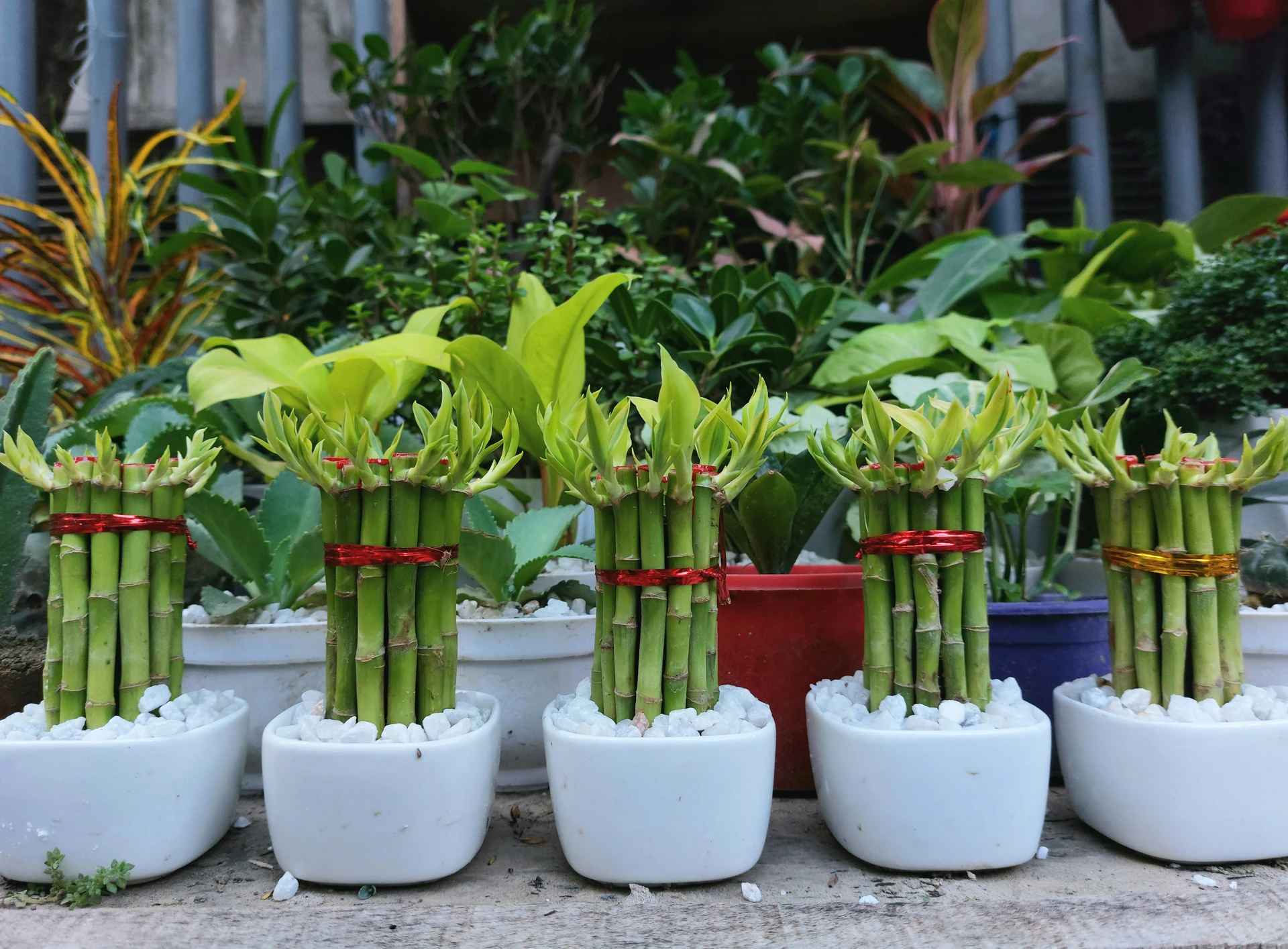
A highly adaptable, symbolic indoor plant that thrives in water or soil. Famous for surviving low-light office environments and bringing good fortune.
-
Light
Thrives in bright, indirect light but adapts exceptionally well to low-light environments, such as windowless offices.
-
Temperature
65-90°F (18-32°C)
-
Growth
slow
-
pH range
6.0-6.5 (if grown in soil)
Quick Answer
Lucky Bamboo thrives in low to medium indirect light. If growing in water, change the water every two weeks and strictly use filtered or distilled water to prevent the leaves and stalks from turning yellow.
Vastu Placement
Vastu Placement and Practical Fit
Lucky Bamboo is universally revered in both Vastu Shastra and Feng Shui. Placing it in the East promotes health and peace for the family, while placing it in the South-East zone (the wealth corner) attracts prosperity and financial growth.
Best Directions
East, South East
Best Rooms
Entrance, Study, Living Room, Office
Light Range
Low, Medium, Bright Indirect
Care Profile
Beginner | Not pet safe | Indoor suitable
Common Goals
Reference: https://www.rhs.org.uk/plants/dracaena
Overview
Despite its common name and appearance, Lucky Bamboo is not a true bamboo at all; it is actually a species of Dracaena native to the tropical rainforests of Central Africa. It has become one of the most popular indoor plants globally because it is nearly indestructible, adaptable to extremely low light, and holds deep cultural significance as a bringer of good fortune.
You will often find it sold in braided, twisted, or stacked arrangements. Its sculptural canes and lush green shoots make it a minimalist, elegant addition to desks, bathroom counters, and entryways.
Water Quality and Care
The vast majority of Lucky Bamboo is grown hydroponically (in water). The most critical aspect of its care is water hygiene. These plants are highly sensitive to the chemicals used in city tap water, particularly chlorine and fluoride. Exposure to these chemicals is the leading cause of yellow leaves and brown tips. To keep your plant vibrant, always use filtered, RO (Reverse Osmosis), distilled, or collected rainwater.
Be sure to change the water entirely every one to two weeks, gently rinsing the roots and the pebbles in the vase to prevent bacterial rot.
Lighting Requirements
In its natural habitat, this plant grows under the dense canopy of the rainforest. Therefore, it despises direct, harsh sunlight, which will quickly bleach and scorch its leaves. It prefers bright, filtered light but is famous for its ability to tolerate very low light conditions, including rooms that only receive artificial fluorescent lighting.
Growing in Soil
While hydroponic setups are popular and visually striking, Lucky Bamboo will actually grow larger, thicker, and live longer if planted in soil. If your water-grown plant seems to be declining after a year or two, transplanting it into a standard, well-draining houseplant potting mix can rejuvenate it. Keep the soil evenly moist but never waterlogged.
Pruning and Shaping
Lucky Bamboo grows from the top shoots, not from the bottom of the cane. Over time, these green shoots can grow tall and top-heavy. Don't be afraid to prune them! Snip the shoot about an inch away from the main stalk. The plant will eventually push out new growth from the cut node, and you can place the trimmed shoot in a fresh glass of water to propagate a brand-new plant.
Recommended next actions
Next Best Actions
Use calculators and guides to turn this plant profile into a practical care routine.
Guide
Calathea Orbifolia Care Guide: Growing the Most Stunning Prayer Plant
After cultivating over 50 Calatheas and maintaining high-humidity greenhouse environments for 5 years, we have mastered the art of keeping Calathea Orbifolia thriving indoors without brown edges.
Guide
Thai Constellation Monstera Care Guide: Growing the Variegated Star Plant
Having cultivated and propagated over 100 rare Monsteras over the past 7 years, we have developed a proven method for maximizing the growth and stable variegation of the highly sought-after Thai Constellation Monstera.
Guide
Why Your Houseplants Are Dying: The Ultimate Root Rot Rescue Guide
After rescuing thousands of rotting houseplants from big-box stores over a 12-year nursery career, we have developed a foolproof method to diagnose, treat, and completely prevent deadly root rot.
Quiz
Get My Plant Map
Answer a short placement quiz for direction, room, light, and care-fit recommendations.
Calculator
Sunlight Calculator
Determine the ideal indoor light placement for your plant based on species, window direction, and seasonal light availability.
Calculator
Aquarium Plant Fertilizer Dosage Calculator
Calculate exact macro and micro fertilizer doses for your planted aquarium based on tank volume, plant density, CO2 system, and dosing strategy.
Structured Plant Data
Plant Data Profile
Care values below are generated from the plant JSON fields so users and crawlers can read the structured plant profile directly on the page.
Growth Characteristics
Growth Rate
slow
Mature Height
1-3 feet indoors
Mature Spread
1-2 feet
Life Cycle
Perennial
Flowering Season
Rare indoors
Container Friendly
yes
Indoor Capable
yes
Environmental Parameters
| Parameter | Recommended | Survivable |
|---|---|---|
| Temperature | 65-90°F (18-32°C) | 55-95°F (13-35°C) |
| Humidity | 40-60% | 30-80% |
| Soil PH | 6.0-6.5 (if grown in soil) | 5.5-7.0 |
Lighting
Description
Thrives in bright, indirect light but adapts exceptionally well to low-light environments, such as windowless offices.
Nutrients
Nitrogen Demand
low
Phosphate Demand
low
Potassium Demand
low
Micronutrient Notes
Extremely sensitive to fertilizer burn, especially when grown in water.
Fertilizer Frequency
If in water, add a single drop of liquid houseplant fertilizer every 2-3 months. If in soil, feed lightly in spring.
Organic Options
A highly diluted seaweed extract can be used sparingly.
Relationships
-
Water Quality
Requirement | Strength 10
Highly sensitive to chlorine and fluoride found in municipal tap water. Using filtered, RO, or distilled water is critical to prevent yellowing.
-
Direct Sunlight
Vulnerability | Strength 9
Direct sunlight will rapidly scorch the leaves, turning them white or brown.
Lucky Bamboo Setup Options
| Setup Method | Maintenance Level | Watering Strategy | Lifespan |
|---|---|---|---|
| Water & Pebbles in Glass | Moderate | Replace water every 10-14 days | 1 to 3 years |
| Potted in Soil | Low | Keep top inch of soil moist | Many years (Natural habitat) |
| Office Desk / No Natural Light | Low | Top off water as needed | Variable (Relies on artificial light) |
Troubleshooting Guide
1 Yellowing leaves or stalks
Cause: Chlorine/fluoride in tap water, or too much direct sunlight
Immediately switch to filtered or distilled water. Move the plant away from harsh window light.
2 Mushy, brown, smelly stalks at the base
Cause: Bacterial stem rot due to stagnant, dirty water
Remove and discard the rotted stalk to save the rest of the arrangement. Wash the vase and pebbles thoroughly before refilling.
3 Pale green or white leaves
Cause: Lack of nutrients or extreme lack of light
Add a single drop of liquid houseplant fertilizer to the water. Move slightly closer to a light source.
4 Algae coating the roots and vase
Cause: Too much sunlight hitting a clear glass vase
Clean the vase. Either switch to an opaque ceramic container or move the clear vase into a shadier spot.
Glossary of Terms
- Hydroponics
- The practice of growing plants without soil, using water and dissolved nutrients instead.
- Reverse Osmosis (RO) Water
- Water that has been purified through a specialized membrane to remove impurities, salts, and municipal chemicals like fluoride, making it ideal for sensitive houseplants.
- Node
- The distinct rings or joints along the bamboo cane where new leaves and shoots emerge.
Scientific References
- Dracaena sanderiana - Royal Horticultural Society