Calathea Orbifolia Care: Grow Stunning Striped Leaves Without Brown Edges
After cultivating over 50 Calatheas and maintaining high-humidity greenhouse environments for 5 years, we have mastered the art of keeping Calathea Orbifolia thriving indoors without brown edges.
Quick Answer
Calathea Orbifolia Care Guide: Growing the Most Stunning Prayer Plant: After cultivating over 50 Calatheas and maintaining high-humidity greenhouse environments for 5 years, we have mastered the art of keeping Calathea Orbifolia thriving indoors without brown edges. Use it to make practical plant-care decisions quickly, with clear next...
Why Calathea Orbifolia is Trending
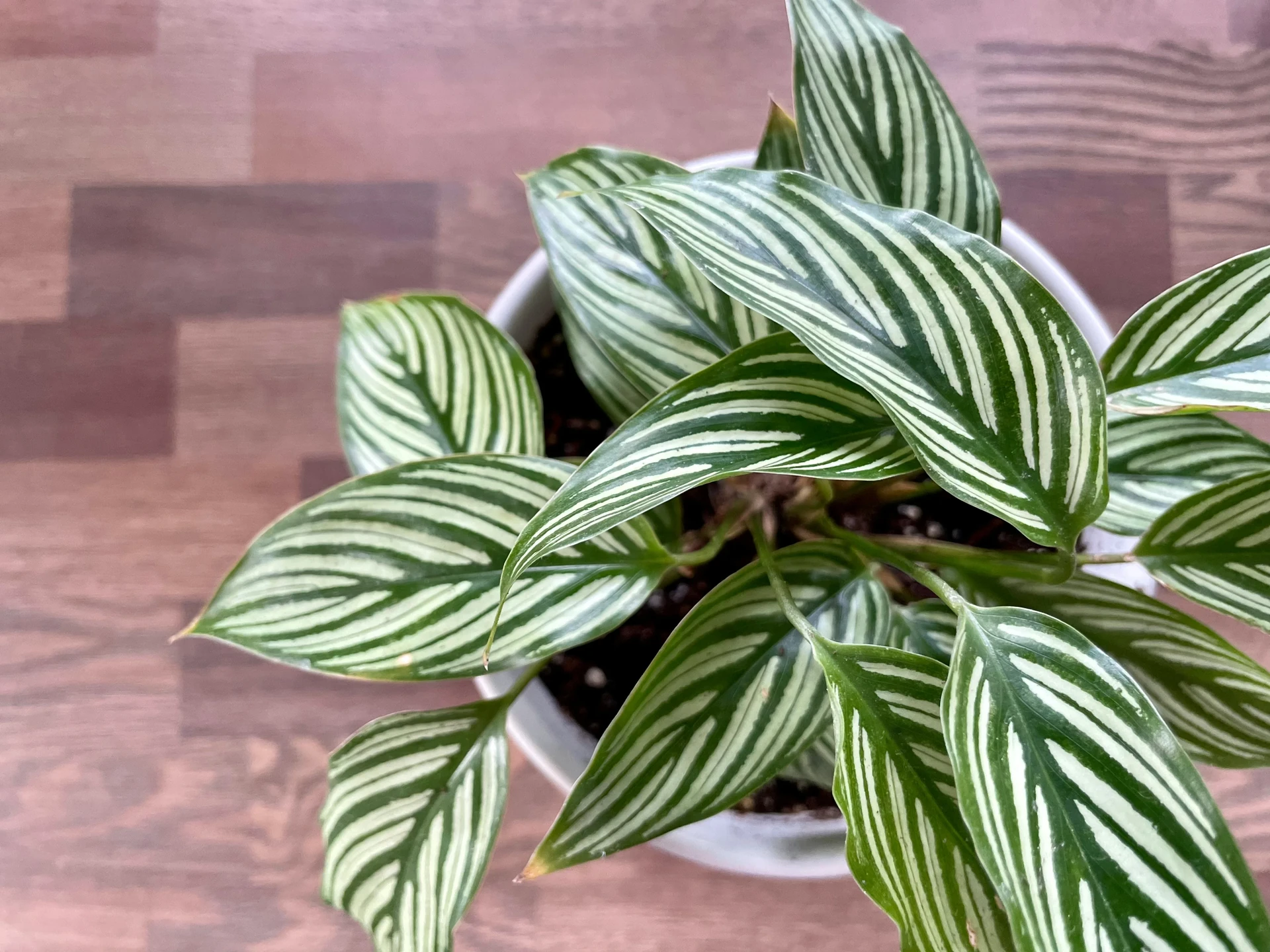
Having grown and rescued dozens of prayer plants over the past five years, we consider Calathea Orbifolia to be one of the most rewarding tropicals. With its massive, perfectly striped circular leaves, it has become a favorite among plant collectors. Its bold white and deep green pattern makes it a statement piece in any indoor jungle, though it demands specific care to maintain flawless foliage.
Essential Care Requirements
- Temperature: Keep it consistently between 65–80°F (18–27°C) during the day. Never let temperatures drop below 60°F (15°C) or expose the plant to cold drafts.
- Humidity: Aim for a high target range of 60-80%. This is essential for preventing crisp brown edges on the large delicate leaves.
- Light: Provide medium to bright indirect light. If given too little light, the striking stripes will fade and growth will stall. Direct sun will scorch the leaves rapidly.
- Watering: Check the soil moisture frequently. Water thoroughly when the top 1 to 2 inches of soil feel dry. Reduce watering frequency during the winter dormancy period.
- Soil: Use a chunky, well-draining yet moisture-retentive aroid mix containing peat moss, coarse perlite, and fine orchid bark.
Fertilizing Calathea Orbifolia
During the active growing season (March–September), feed every 4 weeks with a balanced liquid fertilizer (NPK 10-10-10) diluted to half strength. Reduce to once every 6–8 weeks in winter. Flush soil with plain water every 2–3 months to prevent mineral salt buildup, which contributes to brown leaf edges.
Step-by-Step Propagation Guide
Calatheas cannot be propagated by leaf or stem cuttings; they must be propagated through root division. Follow these steps during early spring for the highest success rate:
- Carefully remove the mature Calathea Orbifolia from its pot and gently massage the root ball to loosen the soil.
- Identify natural division points where distinct clumps of stems meet the root system.
- Gently untangle the roots by hand, using sterilized pruning shears only if you need to cut through a stubborn, thick rhizome connection.
- Repot each new division into its own appropriately sized container using a fresh, moisture-retentive potting mix.
- Keep the new plants in very high humidity and indirect light while they establish their root systems over the next few weeks.
Repotting Guide
Repot your Calathea Orbifolia every 1 to 2 years, ideally in the spring before the active growing season begins. Only increase the pot size by 1 to 2 inches in diameter. Always use fresh soil to replenish nutrients and ensure proper aeration, as old soil becomes compacted and waterlogged.
Toxicity Warning
Good news for pet owners! Calathea Orbifolia is entirely non-toxic to cats, dogs, and humans. The plant contains no harmful compounds, making it a perfectly safe addition to any pet-friendly household.
Common Problems & Solutions
- Brown leaf edges are the most frequent issue and indicate low humidity or chemical sensitivity. Switch to distilled water or rainwater and increase room humidity to at least 60%.
- Curling leaves typically mean the plant is severely underwatered or the ambient air is too dry. Check the soil moisture immediately and water deeply if dry.
- Yellow leaves typically indicate overwatering or poor drainage. Check the bottom of the pot for soggy soil and ensure your container has adequate drainage holes.
- Fading stripes mean the plant is receiving insufficient indirect light. Move the plant closer to a bright window while keeping it out of direct sun rays.
Recommended next actions
Next Best Actions
Move from reading to action with related calculators, plant profiles, and quiz-based recommendations.
Plant Guide
Pink Princess Philodendron
Learn how to successfully care for the Pink Princess Philodendron. Discover the exact light and humidity requirements to maintain its deep pink variegation.
Plant Guide
Spider Plant
Discover why Spider Plants are making a massive comeback. Learn how to care for them properly, prevent crispy brown tips, and propagate their tiny spiderettes.
Plant Guide
Monstera Deliciosa
Learn how to care for a Monstera Deliciosa indoors. Discover expert tips on moss poles, lighting for fenestrations, watering, and managing aerial roots.
Calculator
Neem Oil Spray Calculator
Calculate the correct neem oil dilution ratio for your spray bottle size, plant type, and pest severity — safely and without burning leaves.
Calculator
Sunlight Calculator
Determine the ideal indoor light placement for your plant based on species, window direction, and seasonal light availability.
Calculator
Aquarium Plant Fertilizer Dosage Calculator
Calculate exact macro and micro fertilizer doses for your planted aquarium based on tank volume, plant density, CO2 system, and dosing strategy.