How to Save Overwatered Houseplants: The Ultimate Root Rot Rescue Guide
After rescuing thousands of rotting houseplants from big-box stores over a 12-year nursery career, we have developed a foolproof method to diagnose, treat, and completely prevent deadly root rot.
Quick Answer
Why Your Houseplants Are Dying: The Ultimate Root Rot Rescue Guide: After rescuing thousands of rotting houseplants from big-box stores over a 12-year nursery career, we have developed a foolproof method to diagnose, treat, and completely prevent deadly root rot. Use it to make practical plant-care decisions quickly, with clear next st...
Why Most Houseplants Die in Their First Year
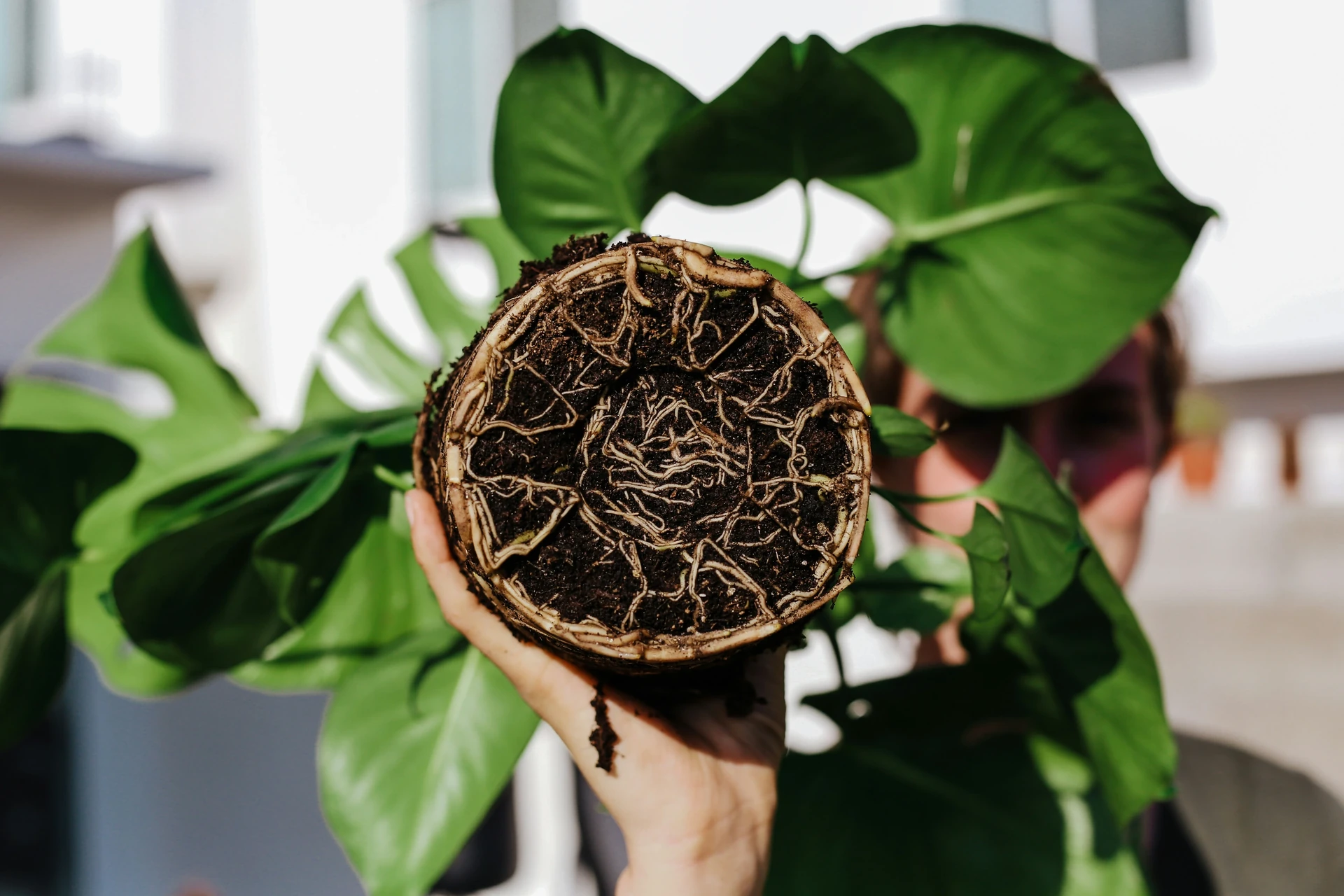
If you're constantly losing houseplants despite your best efforts, you're not alone. Overwatering leading to root rot is the number one cause of death for indoor plants. Root rot occurs when plant roots sit in constantly wet, oxygen-poor soil. Healthy roots need oxygen to function. When soil stays saturated, it becomes anaerobic, allowing harmful fungi to attack the roots. The roots turn black, mushy, and unable to absorb water and nutrients — ironically causing the plant to wilt even when the soil is wet.
Step-by-Step Root Rot Rescue Process
If you suspect root rot, you must act immediately to save the plant.
- Remove the plant gently from its pot.
- Rinse roots under lukewarm water to remove all old, infected soil.
- Trim all black, mushy, or stringy roots with sterilized scissors until only firm, white or tan roots remain.
- Spray the remaining healthy roots with a diluted 3% hydrogen peroxide solution to kill lingering fungus.
- Repot in a completely fresh, well-aerated soil mix in a clean pot with drainage holes.
Essential Care Requirements to Prevent Root Rot
Prevention is the best cure. Following these environmental baselines will ensure root rot never returns.
Temperature
Keep tropicals between 65–85°F (18–29°C). Cold soil (below 60°F) stays wet for much longer, drastically increasing the chances of anaerobic fungi multiplying and causing rot.
Humidity
Maintain 40-60% ambient humidity. High humidity is great for foliage, but you must ensure there is adequate airflow around the pot so the soil surface can evaporate excess moisture.
Light
Provide bright, indirect sunlight. Plants in low light use very little water. If you place a plant in a dark corner, the soil will stay wet for weeks, virtually guaranteeing root rot.
Watering
The golden rule: Always check the soil moisture 2-3 inches deep with your finger before watering. If it feels moist, do not water. Only water when the top layer is completely dry.
Soil
Create a well-aerating mix using 50% potting soil, 30% perlite, and 20% orchid bark. Avoid using straight peat moss, as it holds moisture like a sponge and suffocates roots.
Fertilizer Warnings During Recovery
Never apply fertilizer to a plant recovering from root rot. The freshly cut roots are extremely vulnerable to fertilizer burn, which will kill them instantly. Wait at least two full months after repotting before introducing a highly diluted liquid fertilizer.
Emergency Propagation
If you unpot your plant and find that 100% of the roots are black and mushy, the root system is dead. Your only option is emergency propagation.
- Cut the healthy stem at least 2 inches above the rotting base.
- Remove the lower leaves to expose the nodes.
- Place the cutting in a glass of clean water or moist sphagnum moss.
- Wait 4-6 weeks for entirely new water roots to form before replanting in fresh soil.
Repotting Guide for Rot-Prone Plants
When repotting a plant that is highly susceptible to root rot (like ZZ Plants, Snake Plants, or Monsteras), always choose unglazed terracotta pots. Terracotta is porous and wicks excess moisture away from the soil, acting as a failsafe against overwatering.
Toxicity Warning
A plant suffering from root rot is highly stressed and may prematurely drop its leaves. If you are growing toxic plants like Peace Lilies or Pothos, ensure you quickly sweep up these dropped leaves so pets or children do not ingest them.
Common Problems & Solutions
- Yellowing lower leaves combined with wet soil is the very first warning sign of root rot. Stop watering immediately and increase light exposure.
- Severe wilting despite the soil being heavy and wet means the roots have already died and cannot intake water. Unpot and perform the rescue process immediately.
- A foul, swampy smell coming from the pot indicates severe anaerobic fungal infection. You must throw away the soil, bleach the pot, and trim the roots.
- Fungus gnats swarming the soil surface means your soil is far too wet. Allowing the top two inches to dry completely will kill the gnat larvae and prevent root rot simultaneously.
Recommended next actions
Next Best Actions
Move from reading to action with related calculators, plant profiles, and quiz-based recommendations.
Plant Guide
Spider Plant
Discover why Spider Plants are making a massive comeback. Learn how to care for them properly, prevent crispy brown tips, and propagate their tiny spiderettes.
Calculator
Heat Stress Diagnosis Calculator
Diagnose plant heat stress risk from your temperature, humidity, sunlight exposure, and symptoms — then get specific watering, shade, and airflow actions.
Plant Guide
Java Fern
Ultimate Java Fern (Microsorum pteropus) care guide. Learn planting, propagation, solving black leaves, potassium deficiency, and the best low-tech aquarium setup.
Plant Guide
Pink Princess Philodendron
Learn how to successfully care for the Pink Princess Philodendron. Discover the exact light and humidity requirements to maintain its deep pink variegation.
Calculator
Repotting Calculator
Find out if your plant needs repotting now and get the correct new pot size based on species, current pot size, and root health indicators.
Calculator
Grow Bag Sizing Calculator
Find the perfect grow bag size for your plant based on root depth, plant type, and expected mature size.