Thai Constellation Monstera Care: Maximize Variegation and Growth in 2026
Having cultivated and propagated over 100 rare Monsteras over the past 7 years, we have developed a proven method for maximizing the growth and stable variegation of the highly sought-after Thai Constellation Monstera.
Quick Answer
Thai Constellation Monstera Care Guide: Growing the Variegated Star Plant: Having cultivated and propagated over 100 rare Monsteras over the past 7 years, we have developed a proven method for maximizing the growth and stable variegation of the highly sought-after Thai Constellation Monstera. Use it to make practical plant-care decisio...
Why the Thai Constellation is So Popular
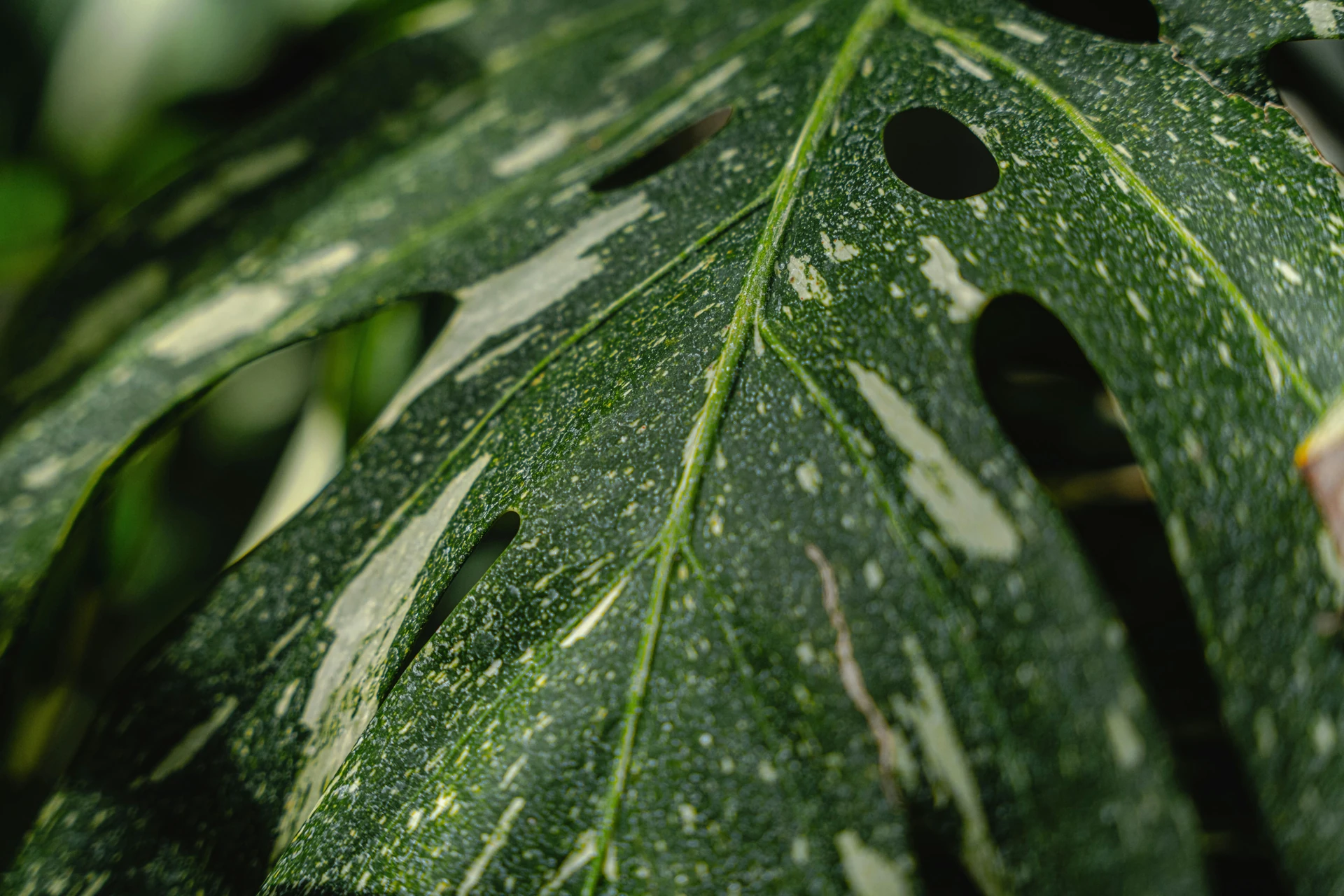
As experienced aroid growers, we understand why the Thai Constellation Monstera remains a holy grail for houseplant enthusiasts. It boasts a stable genetic mutation that produces gorgeous creamy white and green splashes reminiscent of a starry night sky. Unlike the unstable Albo variety, its pattern will not revert to solid green, making it a reliable investment for your indoor jungle.
Essential Care Requirements
- Temperature: Maintain a warm environment between 65–85°F (18–29°C) during the day. Protect the plant from temperatures below 60°F (15°C) to prevent cold shock and stunted growth.
- Humidity: Target 60–80% ambient humidity. The variegated sections are highly susceptible to browning in dry air, so a dedicated humidifier is highly recommended.
- Light: Provide bright indirect light to support the white portions of the leaves, which do not photosynthesize. Too little light will slow growth drastically, but direct afternoon sun will scorch the delicate creamy sectors.
- Watering: Check the soil moisture carefully. Wait until the top 2 to 3 inches of the soil mix are completely dry before watering thoroughly until water runs out the drainage holes.
- Soil: Use a chunky, extremely well-draining aroid mix composed of orchid bark, coarse perlite, horticultural charcoal, and a smaller ratio of peat moss or coco coir.
Fertilizing Thai Constellation
Feed every 3 to 4 weeks during the active spring and summer growing season with a balanced liquid fertilizer (such as NPK 20-20-20) diluted to half strength. Avoid fertilizing during the winter dormancy period. This prevents fertilizer burn on the delicate white variegation.
Step-by-Step Propagation Guide
Propagating the Thai Constellation is an excellent way to multiply your collection, though it grows slower than a standard Monstera deliciosa. Follow these exact steps:
- Identify a healthy stem segment that contains at least one prominent node and one healthy, variegated leaf.
- Using a sterilized, sharp blade, make a clean cut approximately one inch below the chosen node.
- Allow the fresh cut to callous over in the open air for about 2 to 3 hours to drastically reduce the risk of root rot.
- Place the cutting in a container of slightly moist sphagnum moss or perlite, ensuring the node is covered but the leaf is kept dry.
- Keep the propagation container in a warm, highly humid environment with bright indirect light, checking weekly for new root growth.
Repotting Guide
Repot your Thai Constellation Monstera every 1 to 2 years, or when the thick roots begin circling the bottom of the pot. Always step up the pot size by no more than 2 inches in diameter. You must always use a completely fresh batch of chunky aroid soil to replenish the necessary aeration that older soil loses over time.
Toxicity Warning
Like all Monsteras, the Thai Constellation contains insoluble calcium oxalate crystals. It is toxic to cats, dogs, and humans if ingested, causing severe mouth irritation, swelling, and vomiting. Always keep this plant well out of reach of curious pets and toddlers.
Common Problems & Solutions
- Browning on the white variegated sections usually points to low humidity or severe underwatering. Run a humidifier nearby and ensure you are thoroughly saturating the soil when you do water.
- Yellowing leaves typically indicate overwatering or a soil mix that is too dense and holding excess moisture. Check the roots immediately for signs of rot and repot in a chunkier mix if necessary.
- Leggy growth with long spaces between nodes means the plant is receiving insufficient light. Move it closer to a bright, east-facing window to encourage compact growth.
- A lack of fenestrations (splits and holes) in new leaves is common for young plants, but in mature plants, it indicates insufficient light or a lack of vertical climbing support like a moss pole.
Recommended next actions
Next Best Actions
Move from reading to action with related calculators, plant profiles, and quiz-based recommendations.
Plant Guide
Pink Princess Philodendron
Learn how to successfully care for the Pink Princess Philodendron. Discover the exact light and humidity requirements to maintain its deep pink variegation.
Plant Guide
Java Fern
Ultimate Java Fern (Microsorum pteropus) care guide. Learn planting, propagation, solving black leaves, potassium deficiency, and the best low-tech aquarium setup.
Plant Guide
Monstera Deliciosa
Learn how to care for a Monstera Deliciosa indoors. Discover expert tips on moss poles, lighting for fenestrations, watering, and managing aerial roots.
Calculator
Sunlight Calculator
Determine the ideal indoor light placement for your plant based on species, window direction, and seasonal light availability.
Calculator
Fertilizer Calculator
Calculate the exact fertilizer dose and feeding schedule for your plant based on species, pot size, growth stage, and season.
Calculator
Watering Calculator
Calculate the correct watering frequency for your plant based on species, pot size, soil type, season, and climate.