Dieffenbachia Care: Watering, Light & Crucial Toxicity Warnings
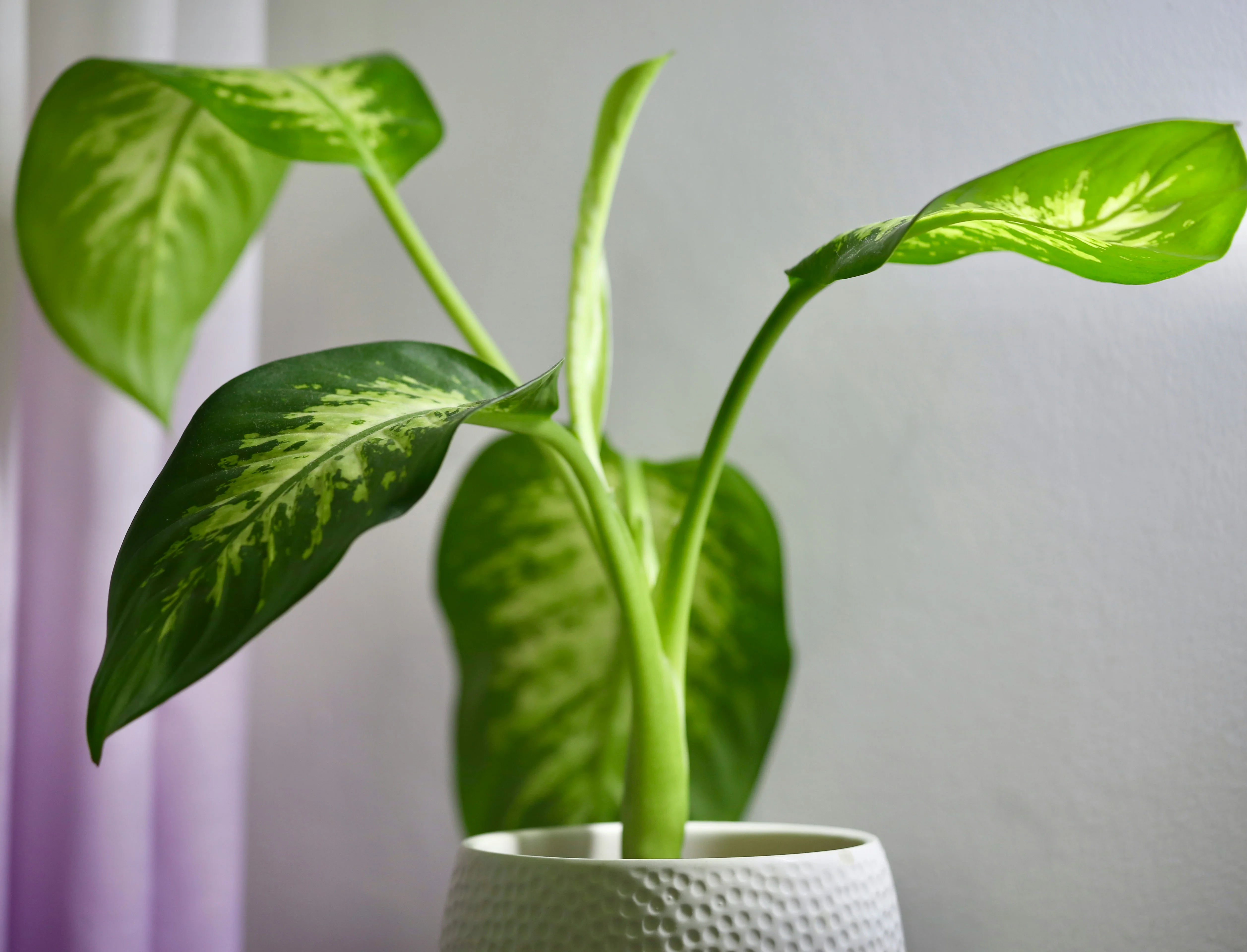
Dieffenbachia seguine
After managing over 60 Dieffenbachia specimens in various indoor environments over the last 8 years, we have developed a strict protocol for safely handling and thriving with this highly toxic, yet undeniably stunning, tropical plant.
-
Light
Requires bright, indirect light to maintain its striking variegation. Too much shade turns the leaves solid green, while direct sun will burn them.
-
Temperature
65°F - 80°F (18°C - 27°C)
Growth
fast
pH Range
6.0 - 6.5
-
Biggest Owner Mistake
Overwatering because the large, lush leaves make it look like a thirsty tropical—but the thick cane stores moisture, and consistently wet soil causes root rot that travels up the stem before any above-ground symptoms appear. Wait until the top inch of soil is dry, and reduce watering further in winter when growth slows.
-
What Nobody Tells You
The sap contains needle-like calcium oxalate crystals that cause intense burning, swelling, and temporary loss of speech if ingested—which is how it earned the name 'dumb cane.' Even skin contact can cause a rash in sensitive individuals, so wear gloves when pruning.
-
Real Home Conditions
In low-light rooms, lower leaves yellow and drop progressively, leaving an increasingly bare cane with a tuft of leaves at the top. Bright indirect light keeps the plant full and bushy from base to top.
Quick Answer
Dieffenbachia requires bright, indirect light and the top 2 inches of soil to dry out between waterings. It is highly toxic; always wear gloves when pruning and keep it away from pets and children.
Overview
The Dieffenbachia, commonly known as Dumb Cane, is prized for its massive, show-stopping leaves featuring intricate patterns of cream, yellow, and green. However, it is also notorious for its extreme toxicity and its tendency to suddenly rot at the base and collapse if its care is misunderstood. The most common frustration growers experience is watching the thick, fleshy stem become mushy and the bottom leaves turn rapidly yellow. This guide will provide you with the exact watering protocol to prevent rot, and the crucial safety guidelines required to keep this plant in your home.
Native to the humid understory of the tropical Americas, the Dieffenbachia is built to grow rapidly upward toward the light. It has a thick, cane-like stem that stores water, making it surprisingly resilient to short periods of drought, but incredibly vulnerable to being suffocated by heavy, wet indoor soil. Understanding that this plant holds onto water longer than its leafy appearance suggests is the key to mastering its care.
Light
To maintain the vivid, contrasting variegation on its large leaves, the Dieffenbachia requires bright, indirect light. An east-facing window where it receives gentle morning sun, or a spot a few feet back from a bright south or west window, is ideal. If you place the plant in a dark corner, the new leaves will emerge smaller and entirely solid green, as the plant attempts to maximize chlorophyll to survive the low light. Conversely, direct, hot afternoon sun will bleach the leaves and cause scorched, brown patches.
Temperature
This is a true tropical plant that despises the cold. It thrives in warm temperatures between 65°F and 80°F (18°C - 27°C). If the temperature drops below 60°F (15°C), the plant will experience severe shock, leading to rapid lower leaf drop. It is absolutely critical to keep Dieffenbachia away from cold, drafty windows during the winter, and out of the direct path of air conditioning vents in the summer.
Humidity
Dieffenbachia flourishes in high humidity (50% to 60%). While it will tolerate average household humidity (around 40%), the edges of the leaves may become crispy if the air is exceptionally dry due to winter heating. Using a room humidifier is the best way to keep the foliage lush. Avoid misting the leaves directly; water pooling on the large, flat leaves in stagnant indoor air is a primary cause of bacterial and fungal leaf spot diseases.
Watering
Overwatering is the primary cause of death for Dieffenbachia. The thick stem stores moisture, so the plant needs the soil to breathe between waterings. Allow the top 2 to 3 inches of the potting mix to dry out completely before watering again. When you do water, soak the soil thoroughly until water runs out the drainage holes, but empty the saucer immediately. If the fleshy stem ever feels soft or mushy at the soil line, you have overwatered, and the plant is suffering from stem rot.
Soil
A standard indoor potting mix is often too heavy and holds too much water for the thick roots of a Dieffenbachia. You must use a well-draining mix. Combine a high-quality peat or coco coir-based potting soil with a generous amount of perlite (at least 30%) and perhaps a handful of orchid bark to ensure the soil remains aerated even after a heavy soaking.
Fertilizer
Because Dieffenbachia grows rapidly and pushes out massive leaves, it is a heavy feeder during the active growing season. Apply a balanced liquid houseplant fertilizer diluted to half strength every two weeks from spring through late summer. If the plant stops producing new growth in the winter, stop fertilizing entirely to prevent a toxic buildup of mineral salts in the soil, which will burn the roots.
Propagation
CRITICAL WARNING: Always wear thick rubber gloves and eye protection when cutting a Dieffenbachia. The sap is highly toxic and severely irritating to the skin. You can propagate by taking a stem cutting from the top of the plant (including a few leaves) and rooting it in water or moist soil. Alternatively, if a plant has grown too tall and "leggy," you can cut the bare lower cane into 2-inch sections. Lay these cane pieces horizontally on top of moist potting soil, keep them warm and humid, and they will sprout new roots and shoots from the nodes.
Repotting
Dieffenbachias grow quickly and generally need to be repotted every 1 to 2 years. The best time to repot is in the early spring before the peak growing season begins. Choose a pot that is only 1 to 2 inches larger in diameter than the current one. Using a pot that is too large surrounds the roots with excess, wet soil, which inevitably leads to root and stem rot. Ensure the new pot has ample drainage holes.
Toxicity
The common name "Dumb Cane" originates from this plant's severe toxicity. All parts of the Dieffenbachia contain raphides—microscopic, needle-shaped crystals of calcium oxalate—along with proteolytic enzymes. If a pet or human chews the leaves or stem, the crystals act like microscopic glass shards, causing immediate, excruciating pain, swelling of the lips, tongue, and throat, and temporary paralysis of the vocal cords (rendering the victim "dumb" or speechless). In severe cases, the swelling can block the airway. This plant should not be kept in homes with curious pets or toddlers.
Common Problems
The most alarming problem is stem rot. If the base of the stem turns yellow, soft, and mushy, the plant is rotting from overwatering. You must cut the healthy top portion of the plant off (wearing gloves!) well above the rot, and re-root it in water to save the plant; the rotted base must be thrown away. Yellowing lower leaves can be normal if they drop one at a time, but if multiple leaves turn yellow rapidly, check the soil moisture. Pests like spider mites and mealybugs can occasionally hide in the crevices where the large leaves meet the stem; inspect these areas regularly and treat with neem oil or insecticidal soap if pests are found.
Recommended next actions
Next Best Actions
Use calculators and guides to turn this plant profile into a practical care routine.
Guide
Why Are My Houseplant Leaves Turning Yellow? Complete Diagnosis & Fix
After diagnosing hundreds of yellow-leaf cases across dozens of plant species, we've mapped the ten distinct causes that look nearly identical at first glance — and built the only systematic guide that tells you not just what's wrong, but exactly how to confirm it and fix it.
Guide
Calathea Orbifolia Care Guide: Growing the Most Stunning Prayer Plant
After cultivating over 50 Calatheas and maintaining high-humidity greenhouse environments for 5 years, we have mastered the art of keeping Calathea Orbifolia thriving indoors without brown edges.
Guide
Nitrogen Deficiency in Houseplants: Symptoms, Diagnosis & the 5-Day Fix
With over 12 years of houseplant nutrition diagnostics and more than 2,400 nutrient deficiency cases assessed across tropical and subtropical indoor environments, we have developed a rapid-response framework that distinguishes nitrogen starvation from overwatering in a single visual assessment — and reverses visible chlorosis within 5 to 7 days using a precise liquid feed protocol.
Calculator
Fertilizer Calculator
Calculate the exact fertilizer dose and feeding schedule for your plant based on species, pot size, growth stage, and season.
Calculator
Neem Oil Spray Calculator
Calculate the correct neem oil dilution ratio for your spray bottle size, plant type, and pest severity — safely and without burning leaves.
Calculator
Sunlight Calculator
Determine the ideal indoor light placement for your plant based on species, window direction, and seasonal light availability.
Structured Plant Data
Plant Data Profile
Care values below are generated from the plant JSON fields so users and crawlers can read the structured plant profile directly on the page.
Growth Characteristics
Growth Rate
fast
Mature Height
3-5 feet indoors
Mature Spread
2-3 feet
Life Cycle
Perennial
Flowering Season
Rarely flowers indoors (spathe and spadix like a peace lily)
Container Friendly
yes
Indoor Capable
yes
Environmental Parameters
| Parameter | Recommended | Survivable |
|---|---|---|
| Temperature | 65°F - 80°F (18°C - 27°C) | 60°F - 90°F (15°C - 32°C) |
| Humidity | 50% - 60% | 40% - 80% |
| Soil PH | 6.0 - 6.5 | 5.5 - 7.0 |
Lighting
Description
Requires bright, indirect light to maintain its striking variegation. Too much shade turns the leaves solid green, while direct sun will burn them.
Nutrients
Nitrogen Demand
high
Phosphate Demand
moderate
Potassium Demand
moderate
Micronutrient Notes
Fast growers require regular feeding to push out large leaves.
Fertilizer Frequency
Every two weeks during spring and summer at half strength.
Organic Options
Fish emulsion or standard liquid houseplant fertilizer.
Relationships
-
Root Rot
Vulnerability | Strength 8
Very susceptible to stem and root rot if the heavy, fleshy stem is kept sitting in soggy, poorly draining soil.
Popular Dieffenbachia Varieties
| Variety | Key Feature | Size |
|---|---|---|
| Camille | Bushy with broad creamy-white centers and green margins | Small to Medium (up to 3ft) |
| Tropic Snow | Massive leaves with deep green and creamy white mottling | Large (up to 6ft) |
| Seguine | Classic variety with erratic splashes of white across green leaves | Medium to Large |
Troubleshooting Guide
1 Base of the stem is soft, mushy, and turning yellow/brown
Cause: Stem rot due to chronic overwatering and heavy, poorly draining soil.
The base is dead. Wear gloves, cut off the healthy top portion of the stem above the rot, and propagate it in water to start over.
Glossary of Terms
- Raphides
- Microscopic, needle-shaped crystals of calcium oxalate found in plant tissues, which act as a defense mechanism by causing micro-abrasions and severe irritation when chewed.
- Cane
- A thick, sturdy, often woody or fleshy stem of a plant. In Dieffenbachia, the cane stores water and nutrients and can be cut into sections for propagation.
Scientific References
- Plants of the World Online - Dieffenbachia
- Plant Finder - Dieffenbachia
- NC State Extension Plant Toolbox - Dieffenbachia seguine
- Poisonous Plants: Dieffenbachia
- World Flora Online - Dieffenbachia