Your Plant Is Eating Its Own Leaves — What Nitrogen Deficiency Really Looks Like and How to Reverse It in 5 Days
With over 12 years of houseplant nutrition diagnostics and more than 2,400 nutrient deficiency cases assessed across tropical and subtropical indoor environments, we have developed a rapid-response framework that distinguishes nitrogen starvation from overwatering in a single visual assessment — and reverses visible chlorosis within 5 to 7 days using a precise liquid feed protocol.
Quick Answer
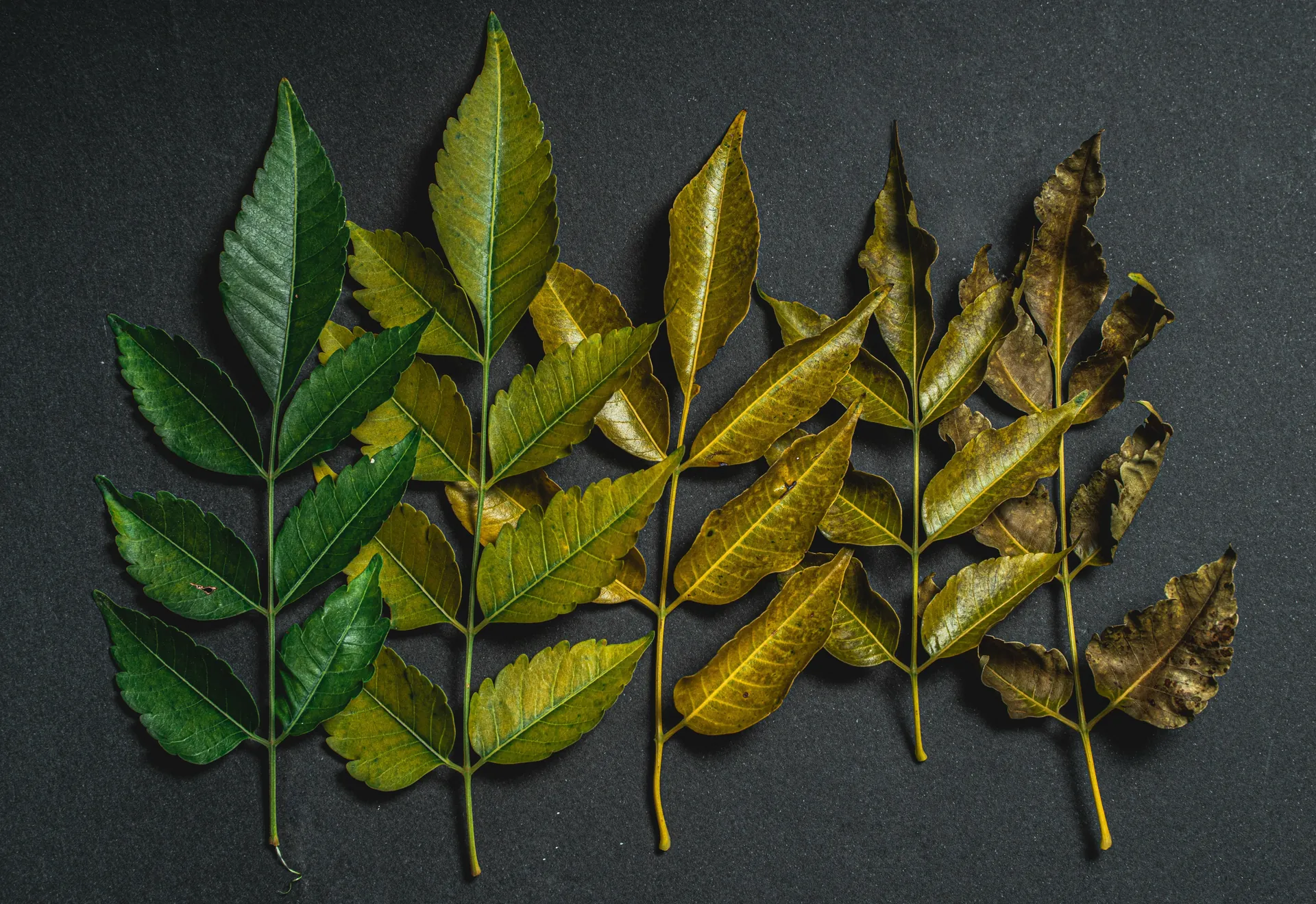
Nitrogen deficiency causes uniform pale yellowing that begins on the oldest, lowest leaves and climbs upward as the plant dismantles chlorophyll to recycle nitrogen into new growth. Correct it by applying a half-strength liquid fertilizer with an NPK ratio of at least 10-5-5 every 7 days for 3 to 4 weeks — slow-release granules take too long at 3 to 6 weeks to reverse visible symptoms.
Your plant looked fine last week. Now the bottom three leaves have gone a flat, washed-out yellow — not spotted, not brown-edged, just uniformly pale — and the pattern is climbing upward leaf by leaf. You stop watering, certain it is overwatering. The yellowing continues anyway. This is the precise progression of nitrogen deficiency, and misidentifying it as a moisture problem costs 4 to 6 weeks of unnecessary delay while the real cause compounds.
The Science Behind Nitrogen Mobility: Why Your Plant Is Consuming Its Own Leaves
Nitrogen is a mobile nutrient, meaning your plant can actively withdraw it from old tissue and redirect it to new growth when external soil supply falls short. When root-zone nitrogen drops below approximately 30 parts per million — the threshold at which most tropical houseplants begin showing visible symptoms — the plant activates a biological triage protocol. It disassembles chlorophyll molecules in its oldest leaves, reclaims the nitrogen bound within that chlorophyll, and transports it upward to actively growing shoot tips and juvenile foliage. The result is progressive chlorosis: a wave of uniform pale-to-bright yellow that begins on the lowest, oldest leaves and advances systematically upward through the canopy. The plant is not dying randomly. It is prioritizing survival by dismantling what it no longer needs in order to fund what it is actively building.
This mechanism is categorically different from iron or magnesium deficiency, where yellowing is interveinal — the leaf veins retain their green color while the tissue between them yellows. In nitrogen deficiency, the entire leaf surface, including the veins, loses pigment simultaneously and uniformly. That single distinction separates the two diagnoses without any test equipment.
How to Identify Nitrogen Deficiency: Comparing the Five Most Common Causes of Houseplant Yellowing
The most frequent misdiagnosis is overwatering, followed by root rot, followed by magnesium deficiency. The diagnostic table below maps the critical distinguishing characteristics across five common causes of leaf yellowing so you can confirm nitrogen deficiency within a single visual inspection — no lab results required.
| Condition | Which Leaves First | Color Pattern | Texture Change | Typical Timeline |
|---|---|---|---|---|
| Nitrogen Deficiency | Oldest, lowest leaves first | Uniform pale yellow — veins and tissue lose color together | None initially; leaf may feel thin and papery | Gradual over 1–3 weeks |
| Overwatering | Any position, often mid-canopy | Yellow with soft or mushy brown patches | Soft, waterlogged, limp to the touch | 1–7 days following excess watering |
| Root Rot | Entire plant simultaneously | Yellow then brown; wilting despite wet soil | Stems soft at base; roots black and mushy | Rapid deterioration over 3–5 days |
| Iron Deficiency | Newest, youngest leaves first | Interveinal yellow — leaf veins stay distinctly green | No texture change | Gradual over 2–4 weeks |
| Magnesium Deficiency | Middle-aged leaves | Interveinal yellow with green margins remaining | No texture change | Gradual over 2–5 weeks |
Confirm with a soil test strip: a nitrogen reading of 0–25 ppm in the root zone locks in the diagnosis. If the two to four oldest leaves are uniformly yellow, no mushiness is present, veins are not selectively retaining green, and new growth looks normal or only slightly pale, nitrogen starvation is the cause — not moisture, not pH, not a root pathogen.
Why Monsoon Season Accelerates Nitrogen Depletion Faster Than Any Other Period
In climates with heavy monsoon rainfall — or in any home where indoor humidity spikes sharply between June and September — houseplants face a compounding nitrogen loss mechanism that most care guides never address. Heavy, repeated watering flushes potting mix faster than roots can absorb available nitrogen: nitrate ions (NO₃⁻) are highly water-soluble and move through drainage holes with every single watering event. A well-draining tropical aroid mix can lose up to 40% of its available nitrogen in a single heavy rainfall or watering episode. Repeat that three times per week across an eight-week monsoon period and your soil becomes acutely nitrogen-depleted — even if you applied a balanced slow-release fertilizer at the start of the season.
Simultaneously, the aggressive air-conditioning that characterises most indoor spaces during hot, humid summers suppresses root metabolism. Tropical houseplant roots downregulate their nitrogen uptake enzymes significantly below 18°C (64°F) — the temperature at which most aroid and foliage plant roots shift from active to passive nutrient absorption. A plant sitting in nitrogen-adequate soil under an AC vent can display full deficiency symptoms not because the nutrient is absent, but because the root zone is too cold for uptake to occur. This is the counterintuitive fact most guides miss entirely: plants under AC cold stress and plants under heat stress can both present identical nitrogen deficiency symptoms through opposite root dysfunction mechanisms, which is why temperature assessment must precede fertilizer application.
The 5-Day Nitrogen Recovery Protocol
Do not reach for slow-release granular fertilizer when deficiency symptoms are already visible. Granules require microbial breakdown before nitrogen becomes plant-available, a process that takes 3 to 6 weeks under typical indoor conditions — far too slow to reverse acute chlorosis. Use a liquid nitrogen fertilizer with an NPK ratio of at least 10-5-5, or a balanced 10-10-10 formula diluted to exactly half the manufacturer's recommended strength.
Day 1: Prime the Root Zone
Water the plant thoroughly to flush accumulated salts and fully re-moisten the root zone. Do not apply fertilizer on Day 1. Applying nitrogen solution to a dry or salt-crusted root zone causes osmotic burning of root tips, which will deepen the problem rather than resolve it. Allow the pot to drain completely before moving forward.
Day 2: Apply the First Nitrogen Feed
Apply your half-strength liquid fertilizer directly to the root zone — not as a foliar spray. For a standard 15 cm nursery pot, 250 ml of diluted solution is sufficient to saturate the root zone without producing wasteful runoff. Keep the solution off leaf surfaces to prevent scorch marks on already stressed foliage.
Days 3–5: Monitor for Arrest, Not Reversal
Existing yellow leaves will not turn green. The chlorophyll in them has been dismantled and the nitrogen relocated — that structural damage is irreversible at the cellular level. What you are watching for is a halt in new yellowing and the emergence of deep, saturated green on leaves that were only beginning to pale at the margins. If no additional leaves have yellowed by Day 5 and new growth emerging from the crown looks turgid and green, recovery is underway. Continue half-strength liquid feeds every 7 days for 3 additional weeks, then return to your standard fertilizing schedule.
As a sustainable supplemental measure between applications, consider incorporating nitrogen-delivering kitchen scrap fertilizers such as fermented rice water or diluted banana peel water, which provide micro-doses of nitrogen between scheduled liquid feeds without the risk of salt accumulation that repeated full-strength applications carry.
Long-Term Prevention: Accounting for Leaching in Monsoon and High-Humidity Climates
Prevention requires recalibrating fertilizing frequency to match leaching losses, not a fixed calendar. During monsoon months, shift from a monthly application to a bi-weekly half-strength liquid feed. For aroids — peace lilies, philodendrons, monsteras — top-dress with a thin layer of worm castings every 8 weeks during the active growing season. Worm castings release nitrogen at a concentration of 0.5–1% over 8 to 12 weeks, providing a slow buffer against the acute depletion spikes that monsoon leaching causes between liquid feed dates. For plants positioned directly under an AC vent where root-zone temperature drops below 18°C, relocate them or use a seedling heat mat set to 22°C under the pot during the coldest AC months to ensure active root nitrogen uptake continues year-round.
Recommended next actions
Next Best Actions
Move from reading to action with related calculators, plant profiles, and quiz-based recommendations.
Calculator
Aquarium Plant Fertilizer Dosage Calculator
Calculate exact macro and micro fertilizer doses for your planted aquarium based on tank volume, plant density, CO2 system, and dosing strategy.
Guide
Why Are My Houseplant Leaves Turning Yellow? Complete Diagnosis & Fix
After diagnosing hundreds of yellow-leaf cases across dozens of plant species, we've mapped the ten distinct causes that look nearly identical at first glance — and built the only systematic guide that tells you not just what's wrong, but exactly how to confirm it and fix it.
Plant Guide
Dieffenbachia (Dumb Cane)
After managing over 60 Dieffenbachia specimens in various indoor environments over the last 8 years, we have developed a strict protocol for safely handling and thriving with this highly toxic, yet undeniably stunning, tropical plant.
Plant Guide
Anthurium Flamingo Flower
After growing and forcing rebloom on over 180 Anthurium specimens in dry, centrally heated homes and offices across the UK and North America over the past 10 years, we have unlocked the precise light, humidity, and feeding triggers that keep these tropical beauties in constant flower.
Plant Guide
ZZ Plant
After growing and propagating over 40 ZZ Plant specimens across indoor environments over the past 5 years, we have mastered the minimal-care routines that keep these structural stunners thriving even in deep shade.
Calculator
Heat Stress Diagnosis Calculator
Diagnose plant heat stress risk from your temperature, humidity, sunlight exposure, and symptoms — then get specific watering, shade, and airflow actions.