Bird of Paradise Care: Sunlight, Watering & Split Leaves Explained
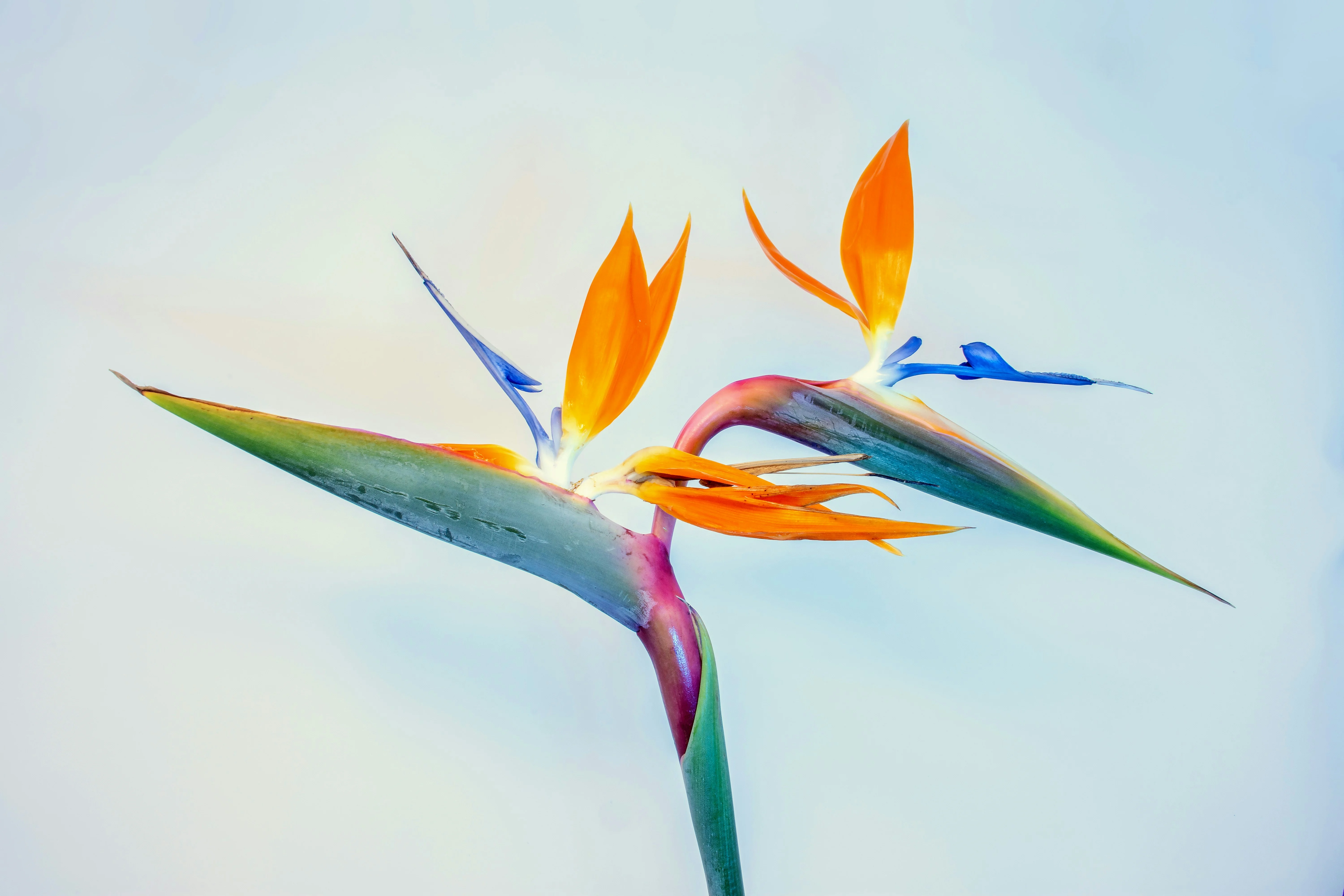
Strelitzia reginae
After placing dozens of giant Bird of Paradise plants in luxury homes and offices, we've found that the secret to keeping their massive paddle leaves upright and pristine is maximizing light and heavy summer feeding.
-
Light
Requires absolute maximum light indoors. Direct sunlight is highly preferred. Insufficient light results in leggy stems and zero chance of flowering.
-
Temperature
65°F - 85°F (18°C - 29°C)
Growth
fast
pH Range
6.0 - 7.0
-
Biggest Owner Mistake
Expecting indoor blooms and removing lower leaves to 'encourage' flowering—in reality, it rarely blooms indoors without years of intense direct light and root-binding, and pruning lower leaves removes the stored energy reserves the plant needs to attempt flowering. Patience and the right light are the only triggers.
-
What Nobody Tells You
The lengthwise splits that appear along mature leaves are not damage—they're an evolved adaptation that allows wind to pass through without tearing the entire leaf. Trying to prevent them by misting or adjusting care won't stop a natural process.
-
Real Home Conditions
In standard indoor light it grows very slowly and stays short, often producing just one or two new leaves per year. A south-facing window with some direct sun, or a supplemental grow light, is needed for it to reach its impressive mature height indoors.
Quick Answer
Bird of Paradise needs massive amounts of direct sunlight, heavy watering during the summer, and regular fertilizer to thrive. Split leaves are a natural evolutionary trait to handle wind, not a sign of poor health.
Overview
The Bird of Paradise (Strelitzia) is the ultimate tropical statement plant. Instantly recognizable by its massive, banana-like paddle leaves and (if you're lucky) its striking, crane-like orange or white flowers, it brings undeniable jungle drama to any room. However, growers often become frustrated when the massive leaves begin to split, curl, or droop, and when the promised spectacular flowers never appear. This guide will set realistic expectations for indoor blooming and teach you how to manage the intense light and water demands of this fast-growing giant.
Native to the subtropical coastal regions of South Africa, the Bird of Paradise is accustomed to intense, unrelenting sun, strong coastal winds, and highly fertile soil. When we place this plant in a corner of a living room, we are depriving it of its primary energy source. Understanding that this is not a 'low-light' corner plant, but a sun-worshipping centerpiece, is the first step to success.
Light
Light is the single most important factor for a Bird of Paradise. Indoors, it needs the absolute brightest location you can provide. A massive south-facing window or a bright west-facing window is required. It can and should take direct sunlight indoors. If placed in a dim room or a dark corner, the plant will survive for a while, but it will grow leggy, the leaves will droop, and it will absolutely never produce a flower.
Temperature
This is a subtropical plant that prefers warm temperatures between 65°F and 85°F (18°C - 29°C). It is not frost-hardy. While it can survive brief dips into the 50s, prolonged exposure to cold drafts will damage the leaves and stunt growth. Keep it away from exterior doors that open frequently during freezing winters.
Humidity
While they are tolerant of average household humidity, they look their best when humidity is maintained between 50% and 60%. If the air becomes too dry, especially during winter heating, the edges of the large leaves will turn brown and crispy, and the leaves may begin to curl inward. A room humidifier is highly recommended if you notice these symptoms.
Watering
Because they have massive surface area on their leaves and grow quickly in the summer, Bird of Paradise plants are thirsty. You should water when the top 2 to 3 inches of the soil feel dry to the touch. When you water, soak the entire root ball thoroughly until water drains out the bottom. However, you must never let the pot sit in a saucer of standing water. In the winter, when growth slows, you must reduce your watering frequency to prevent root rot.
Soil
A rich, well-draining potting mix is essential. These plants need moisture retention but also breathability for their thick roots. A high-quality indoor potting soil mixed with a generous amount of perlite (about 30%) and a handful of compost or worm castings will provide the perfect balance of drainage and nutrition.
Fertilizer
The Bird of Paradise is a very heavy feeder. Pushing out those massive 2-foot-long leaves requires a lot of energy. During the active growing season (spring and summer), apply a balanced liquid houseplant fertilizer every two weeks. If the plant is mature and receiving enough light to bloom, switching to a fertilizer higher in phosphorus in the early spring can help encourage flower production.
Propagation
You cannot propagate a Bird of Paradise from a leaf or stem cutting. They must be propagated by division. As a healthy plant matures, it will produce offsets, or "pups," next to the main trunk. During spring repotting, you can carefully remove the plant from its pot and use a sharp, sterilized knife to slice the root ball apart, separating the pup (with its own attached roots) from the mother plant.
Repotting
Bird of Paradise plants grow incredibly fast and will quickly fill a pot with their thick, aggressive roots. They generally need repotting every 1 to 2 years while young. However, mature plants actually bloom best when they are slightly root-bound. Once the plant is in a massive 12-inch or 14-inch pot, it is often easier to simply "top dress" the plant by replacing the top few inches of soil with fresh compost each spring, rather than attempting to wrestle a 6-foot plant out of its container.
Toxicity
The Bird of Paradise is mildly toxic to cats and dogs. Ingestion of the leaves or stems can cause gastrointestinal irritation, nausea, and vomiting. While rarely fatal, it is best kept away from pets that are known to actively chew on houseplants.
Common Problems
The most frequent "problem" owners ask about is the leaves tearing or splitting. This is actually a natural, evolutionary feature! In the wild, the leaves split to allow strong coastal winds to pass through without snapping the stem or uprooting the plant. A split leaf is perfectly healthy and cannot be repaired. If leaves are curling inward, it is a sign of dehydration (check the soil) or extreme dry air. If the lower, outer leaves turn yellow and die one by one, this is normal aging; simply cut them off at the base.
Recommended next actions
Next Best Actions
Use calculators and guides to turn this plant profile into a practical care routine.
Guide
Bird of Paradise Care Guide: Light, Brown Tips, and Getting It to Bloom
Bird of Paradise plants are among the most purchased — and most misunderstood — large houseplants in Western homes. After years working with both Strelitzia reginae and Strelitzia nicolai across different indoor environments, we've documented exactly what these plants need to stay healthy, why brown tips are almost universal, and what it actually takes to get one to bloom indoors.
Guide
Fiddle Leaf Fig Care Guide: Growing Ficus Lyrata Indoors Without the Drama
After growing and recovering fiddle leaf figs across eight years — including plants that dropped half their leaves the week after purchase — we've identified the exact triggers behind leaf drop and the straightforward conditions that keep Ficus lyrata thriving long-term.
Guide
ZZ Plant Care Guide: Growing Zamioculcas Zamiifolia Indoors
After growing ZZ plants across offices, low-light apartments, and sun-drenched rooms for over eight years, we have worked out exactly how this rhizome-powered survivor operates — and why the growers who kill it are almost always doing one specific thing wrong.
Calculator
Sunlight Calculator
Determine the ideal indoor light placement for your plant based on species, window direction, and seasonal light availability.
Calculator
Fertilizer Calculator
Calculate the exact fertilizer dose and feeding schedule for your plant based on species, pot size, growth stage, and season.
Calculator
Neem Oil Spray Calculator
Calculate the correct neem oil dilution ratio for your spray bottle size, plant type, and pest severity — safely and without burning leaves.
Structured Plant Data
Plant Data Profile
Care values below are generated from the plant JSON fields so users and crawlers can read the structured plant profile directly on the page.
Growth Characteristics
Growth Rate
fast
Mature Height
4-6 feet indoors (S. nicolai can reach 10+ feet)
Mature Spread
3-4 feet
Life Cycle
Perennial
Flowering Season
Late winter to early spring (only under intense light conditions)
Container Friendly
yes
Indoor Capable
yes
Environmental Parameters
| Parameter | Recommended | Survivable |
|---|---|---|
| Temperature | 65°F - 85°F (18°C - 29°C) | 55°F - 95°F (13°C - 35°C) |
| Humidity | 50% - 60% | 30% - 80% |
| Soil PH | 6.0 - 7.0 | 5.5 - 7.5 |
Lighting
Description
Requires absolute maximum light indoors. Direct sunlight is highly preferred. Insufficient light results in leggy stems and zero chance of flowering.
Nutrients
Nitrogen Demand
high
Phosphate Demand
moderate
Potassium Demand
high
Micronutrient Notes
Extremely heavy feeder during the growing season due to its massive foliage.
Fertilizer Frequency
Every two weeks during spring and summer.
Organic Options
Rich compost or heavily diluted fish emulsion.
Relationships
-
Root Rot
Vulnerability | Strength 7
Large pots without adequate drainage can hold too much moisture deep down, leading to root rot.
Reginae vs. Nicolai
| Feature | S. reginae (Orange) | S. nicolai (White/Giant) |
|---|---|---|
| Flower Color | Bright Orange and Blue | White and Dark Blue/Black |
| Mature Size Indoors | 4 to 6 feet | 8 to 15+ feet |
| Leaf Shape | Narrower, spear-shaped | Massive, broad paddle shape |
Troubleshooting Guide
1 Leaves are tearing and splitting along the lateral veins
Cause: Natural evolutionary trait, sometimes exacerbated by low humidity or physical brushing.
No fix needed. This is normal behavior for a Bird of Paradise. Increase humidity slightly if the edges of the tears are crispy.
Glossary of Terms
- Offset (Pup)
- A small, complete daughter plant that has been naturally produced asexually on the mother plant, usually near the base.
- Top Dressing
- The practice of removing the top 2-3 inches of old, depleted soil from a potted plant and replacing it with fresh, nutrient-rich compost or potting soil, usually done for large plants that are too difficult to fully repot.
Scientific References
- Plants of the World Online - Strelitzia reginae
- Plant Finder - Strelitzia reginae
- NC State Extension Plant Toolbox - Strelitzia reginae
- Bird-of-Paradise
- World Flora Online - Strelitzia reginae