Bougainvillea Care Guide: Get More Blooms with Less Stress
Bougainvillea spp.
A complete Bougainvillea care guide covering watering, sunlight, pruning, fertilizers, propagation, flowering cycles, and troubleshooting for healthy vibrant blooms.
-
Light
Requires full, direct sunlight to produce vibrant bracts.
-
Temperature
18-35°C (65-95°F)
-
Growth
Fast
-
pH range
5.5-7.0
Quick Answer
Bougainvillea thrives in intense sunlight, fast-draining soil, and slightly dry conditions. Avoid overwatering, provide at least 6–8 hours of direct sunlight daily, and use phosphorus-rich fertilizers to encourage vibrant flowering.
Overview
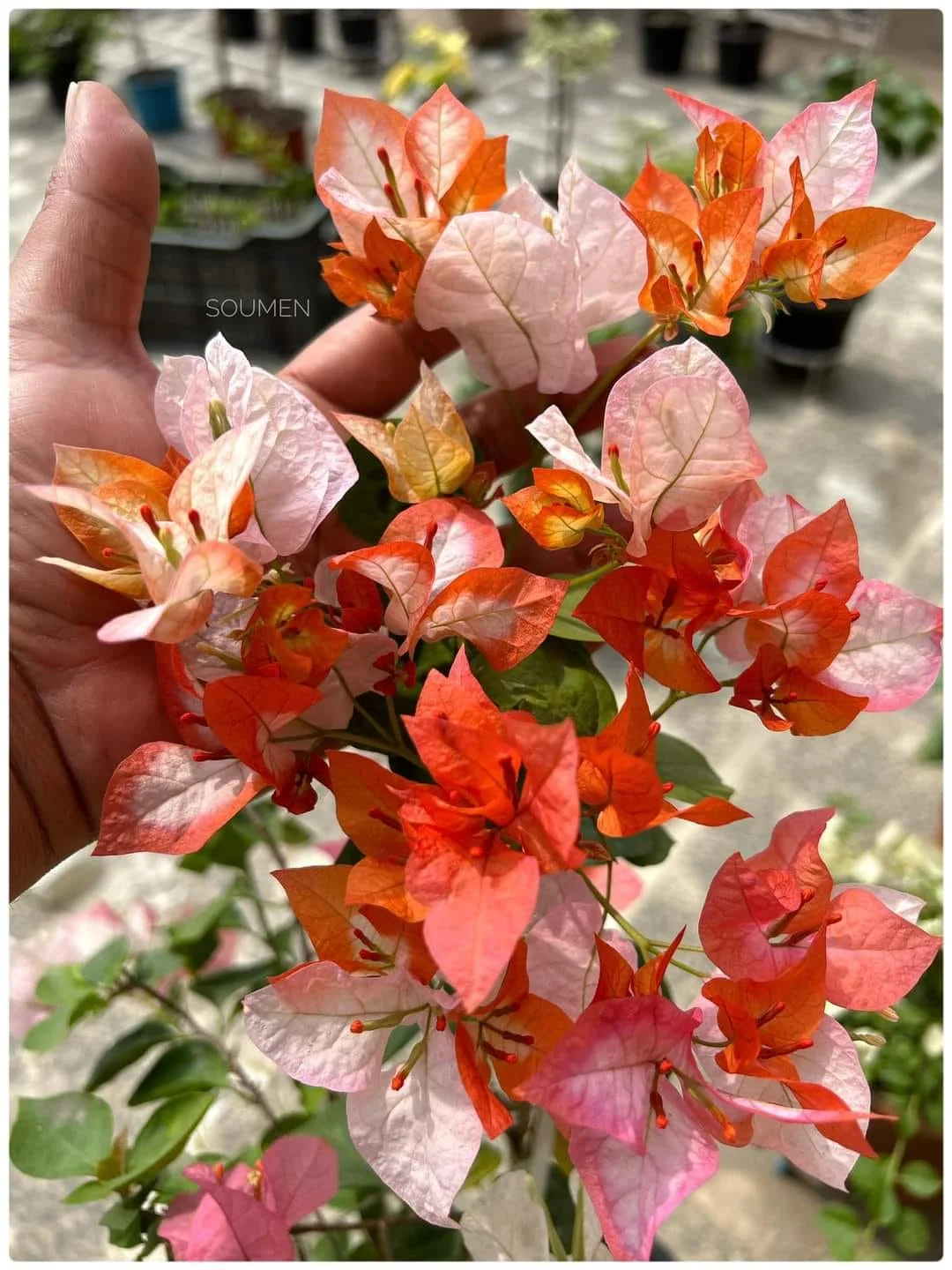
Bougainvillea is one of the most vibrant flowering ornamental plants grown in tropical and subtropical climates worldwide. Known for its brilliant colorful bracts that surround tiny white flowers, Bougainvillea is widely used in landscaping, fences, balconies, pergolas, bonsai, and container gardening.
Native to South America, Bougainvillea thrives under intense sunlight, warm temperatures, and slightly dry conditions. Contrary to beginner assumptions, the colorful portions are modified leaves called bracts, while the true flowers are the tiny white structures in the center.
Bougainvillea is highly drought tolerant once established and can produce massive flowering displays multiple times per year under proper conditions.
Sunlight Requirements
Bougainvillea requires a minimum of 6–8 hours of direct sunlight daily for maximum flowering. Insufficient sunlight results in weak growth, fewer bracts, and reduced blooming.
For best performance, place the plant in the brightest outdoor location possible with excellent airflow.
Watering Guide
Bougainvillea prefers deep but infrequent watering. Allow the top soil layer to dry partially before watering again.
Constantly wet soil causes root rot, yellow leaves, fungal infections, and poor flowering performance.
Soil Requirements
Use extremely well-draining soil mixes. Heavy compact soil traps moisture and damages roots.
Bougainvillea prefers slightly acidic to neutral soil conditions.
Pruning and Flowering
Bougainvillea blooms on new growth. Regular pruning stimulates branching and significantly improves flowering density.
Prune lightly after each flowering cycle to encourage fresh shoots.
Recommended next actions
Next Best Actions
Use calculators and guides to turn this plant profile into a practical care routine.
Guide
Philodendron Care Guide: Growing Trending Varieties in 2026
After successfully growing and propagating over 200 Philodendron plants across 8 years, we've created this complete care guide covering trending varieties like Pink Princess, Birkin, Congo Rojo, and Brasil.
Guide
The Ultimate Guide to Growing Lavender
After cultivating over 10 acres of commercial lavender and testing dozens of varieties in pots over the past decade, we have perfected the precise watering and pruning methods needed to keep your lavender alive and blooming for years.
Guide
Calathea Orbifolia Care Guide: Growing the Most Stunning Prayer Plant
After cultivating over 50 Calatheas and maintaining high-humidity greenhouse environments for 5 years, we have mastered the art of keeping Calathea Orbifolia thriving indoors without brown edges.
Calculator
Heat Stress Diagnosis Calculator
Diagnose plant heat stress risk from your temperature, humidity, sunlight exposure, and symptoms — then get specific watering, shade, and airflow actions.
Calculator
Neem Oil Spray Calculator
Calculate the correct neem oil dilution ratio for your spray bottle size, plant type, and pest severity — safely and without burning leaves.
Calculator
Potting Mix Ratio Calculator
Calculate the ideal potting mix ratios for any plant type — from moisture-loving tropicals to drought-tolerant succulents.
Structured Plant Data
Plant Data Profile
Care values below are generated from the plant JSON fields so users and crawlers can read the structured plant profile directly on the page.
Growth Characteristics
Growth Rate
Fast
Mature Height
Up to 12-30 feet (depending on variety/support)
Mature Spread
Variable
Life Cycle
Perennial
Flowering Season
Multiple cycles yearly (in tropical climates)
Container Friendly
yes
Indoor Capable
no (requires full sun)
Environmental Parameters
| Parameter | Recommended | Survivable |
|---|---|---|
| Temperature | 18-35°C (65-95°F) | 5-42°C (41-107°F) |
| Humidity | 40-60% | 30-80% |
| Soil PH | 5.5-7.0 | 5.0-8.0 |
Lighting
Description
Requires full, direct sunlight to produce vibrant bracts.
Nutrients
Nitrogen Demand
Low
Phosphate Demand
High
Potassium Demand
High
Micronutrient Notes
Requires iron and magnesium to prevent leaf chlorosis.
Fertilizer Frequency
Fertilize during the active growing season (spring/summer).
Organic Options
Compost or balanced organic slow-release fertilizer.
Relationships
-
Hibiscus
Companion_plant | Strength 0.8
Both thrive in similar high-sunlight, warm conditions.
-
Root Rot
Vulnerability | Strength 9
Highly susceptible to rot if soil stays soggy.
Bougainvillea Types & Requirements
| Type | Sunlight | Water Requirement | Difficulty |
|---|---|---|---|
| Standard Bougainvillea | Full Sun | Moderate | Medium |
| Variegated Bougainvillea | High Sunlight | Moderate | Hard |
| Miniature Bougainvillea | Full Sun | Low | Easy |
Troubleshooting Guide
1 Yellow leaves
Cause: Overwatering or poor drainage
Improve drainage, allow soil to dry out between waterings.
2 No flowers
Cause: Insufficient sunlight or too much nitrogen
Move to a full sun location, reduce nitrogen fertilizer.
3 Leaf drop
Cause: Sudden environmental changes
Minimize movement, ensure consistent light and watering.
Glossary of Terms
- Bracts
- Modified colorful leaves surrounding the tiny true flowers of Bougainvillea.
- Chlorosis
- A condition in which leaves produce insufficient chlorophyll, often causing yellowing due to nutrient deficiencies.
Scientific References
- Royal Horticultural Society – Bougainvillea Growing Guide
- Missouri Botanical Garden – Bougainvillea