Lavender Care Guide: Grow Fragrant Lavandula Indoors and Outdoors
Lavandula angustifolia
A hardy, aromatic perennial herb prized for its purple flowers and soothing fragrance. Master its need for dry, rocky soil and intense sunshine.
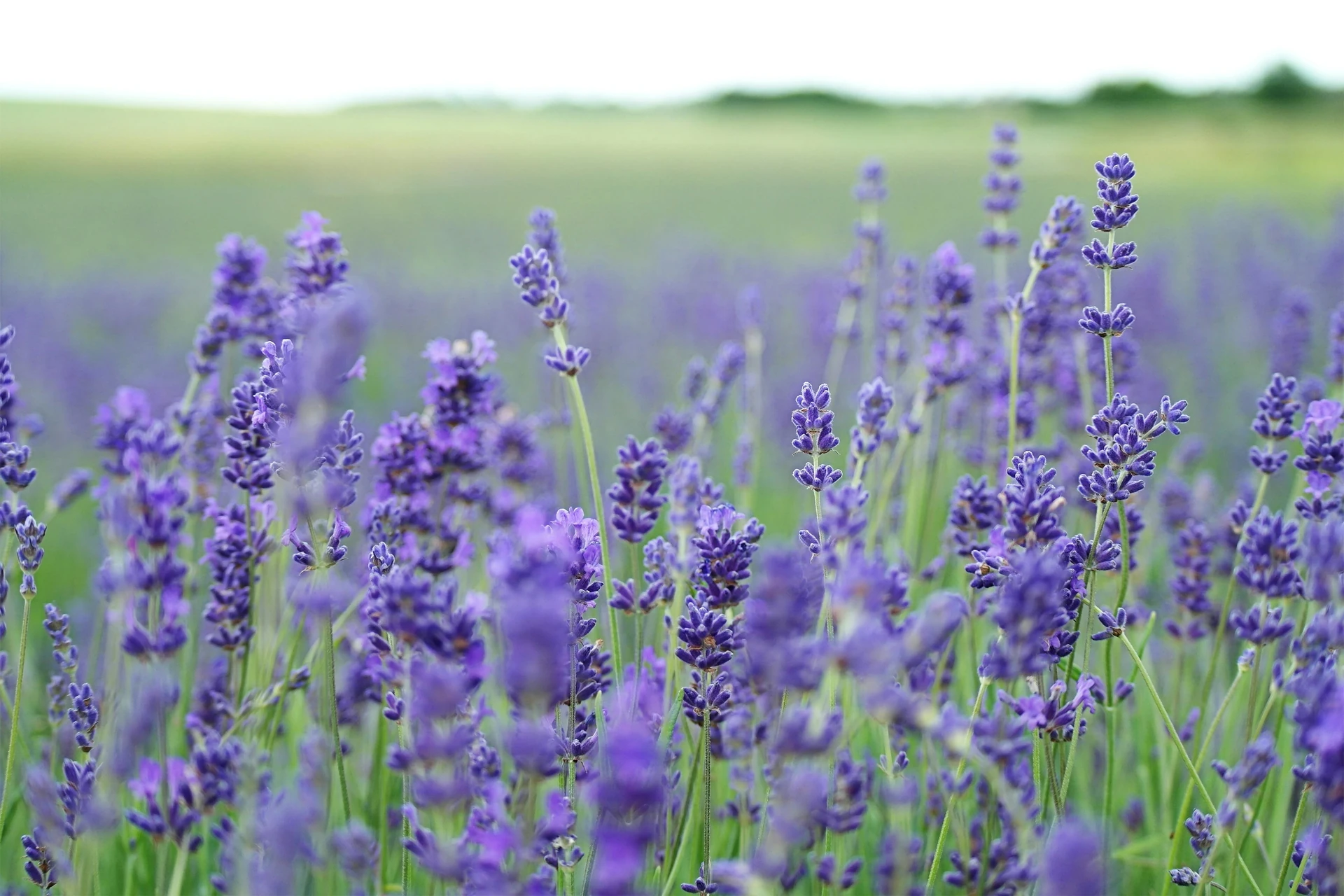
-
Light
Requires intense, direct sunlight to produce its signature oils and flowers.
-
Temperature
65-85°F (18-29°C)
-
Growth
moderate
-
pH range
6.5-8.0 (Prefers slightly alkaline)
Quick Answer
Lavender needs three things to thrive: full blazing sun, gritty fast-draining soil, and very little water. Never let it sit in soggy soil, and prune it back by a third every year after it blooms to keep it from getting woody.
Vastu Placement
Vastu Placement and Practical Fit
In modern Vastu, lavender is famous for its calming properties. Placing it in the South (or near a sunny bedroom window) brings a sense of tranquility, reduces stress, and promotes deep sleep.
Best Directions
South
Best Rooms
Bedroom, Balcony, Garden
Light Range
Full Sun
Care Profile
Moderate | Not pet safe | Best for outdoor support
Common Goals
Reference: https://www.rhs.org.uk/plants/lavandula
Overview
If there's one herb that truly transforms a garden, it's lavender. Known for its unmistakable scent and striking purple spikes, this Mediterranean native is a magnet for bees and butterflies. While it looks delicate, it's actually incredibly tough—provided you give it the right environment.
Lavender is famously easy to grow once established, but it has a reputation for dying suddenly because many people treat it like a typical thirsty garden flower. It prefers life on the dry side.
Light and Placement
Lavender is a sun-worshipper. It needs a minimum of 6 to 8 hours of direct, blazing sun every day. If you plant it in the shade, it will get leggy, lean toward the light, and refuse to flower.
Airflow is just as important as sunlight. Don't crowd your lavender plants too close to walls or other leafy shrubs. They need a breeze to keep their foliage dry and prevent fungal diseases.
Watering Strategy
Overwatering is the number one killer of lavender. These plants evolved in the dry, rocky hills of the Mediterranean, meaning they hate "wet feet." Let the soil dry out completely between waterings. If you stick your finger into the soil and feel any moisture, walk away.
If you're growing it in a pot, make sure you use an unglazed terracotta pot, which allows the soil to breathe and dry out faster.
Soil and Potting Mix
Forget the rich, dark potting soil you use for your houseplants. Lavender wants poor, gritty, fast-draining soil. Mix standard potting soil with generous amounts of coarse sand, perlite, or even gravel.
It also prefers slightly alkaline soil. If your garden has heavy clay or highly acidic soil, you're better off growing your lavender in raised beds or containers where you can control the drainage.
Pruning and Maintenance
To keep your lavender looking like a neat, compact mound rather than a sprawling, woody mess, you have to prune it. Grab your shears right after the first flush of flowers fades in late summer. Cut the green growth back by about one-third.
A critical rule: never cut down into the old, brown, leafless wood. Lavender cannot easily generate new shoots from old wood, and cutting too deep can kill that section of the plant permanently.
Recommended next actions
Next Best Actions
Use calculators and guides to turn this plant profile into a practical care routine.
Guide
The Ultimate Guide to Growing Lavender
After cultivating over 10 acres of commercial lavender and testing dozens of varieties in pots over the past decade, we have perfected the precise watering and pruning methods needed to keep your lavender alive and blooming for years.
Guide
Alocasia Care Guide: Growing the Dramatic Elephant Ear Plant Indoors
After successfully growing and rescuing over 80 Alocasia plants across 7 years in varying home environments, we've refined the exact conditions these dramatic elephant ear plants need to thrive indoors.
Guide
Heatwave Plant Protection Guide: How to Save Your Plants from Extreme Heat
After managing commercial nurseries through intense triple-digit summers for over 15 years, we have developed proven, lifesaving strategies to protect fragile houseplants and vulnerable outdoor gardens from extreme heatwaves.
Calculator
Watering Calculator
Calculate the correct watering frequency for your plant based on species, pot size, soil type, season, and climate.
Calculator
Grow Bag Sizing Calculator
Find the perfect grow bag size for your plant based on root depth, plant type, and expected mature size.
Calculator
Heat Stress Diagnosis Calculator
Diagnose plant heat stress risk from your temperature, humidity, sunlight exposure, and symptoms — then get specific watering, shade, and airflow actions.
Structured Plant Data
Plant Data Profile
Care values below are generated from the plant JSON fields so users and crawlers can read the structured plant profile directly on the page.
Growth Characteristics
Growth Rate
moderate
Mature Height
1-3 feet (depending on variety)
Mature Spread
2-4 feet
Life Cycle
Perennial
Flowering Season
Late Spring to Late Summer
Container Friendly
yes
Indoor Capable
no (struggles significantly without intense outdoor sun)
Environmental Parameters
| Parameter | Recommended | Survivable |
|---|---|---|
| Temperature | 65-85°F (18-29°C) | 10-95°F (-12-35°C) depending on species |
| Humidity | 20-40% | 10-60% |
| Soil PH | 6.5-8.0 (Prefers slightly alkaline) | 6.0-8.5 |
Lighting
Description
Requires intense, direct sunlight to produce its signature oils and flowers.
Nutrients
Nitrogen Demand
very low
Phosphate Demand
low
Potassium Demand
low
Micronutrient Notes
Lavender actually prefers poor soil. Too much fertilizer leads to floppy, weak growth and fewer flowers.
Fertilizer Frequency
Do not fertilize. A light top-dressing of compost in the spring is more than enough.
Organic Options
A handful of crushed eggshells can help boost the soil's alkalinity.
Relationships
-
Sunlight
Requirement | Strength 10
Without massive amounts of direct sun, the plant will become leggy, refuse to bloom, and likely rot.
-
Root Rot
Vulnerability | Strength 10
Lavender's worst enemy is wet feet. Heavy clay soil or overwatering will kill it quickly.
Common Lavender Varieties Compared
| Variety | Climate Tolerance | Fragrance Level | Best Use |
|---|---|---|---|
| English (L. angustifolia) | Very Cold Hardy | Extremely High | Culinary, essential oils, drying |
| French (L. dentata) | Warm Climates Only | Mild | Containers, landscaping |
| Spanish (L. stoechas) | Warm Climates Only | Strong (pine-like) | Ornamental (distinct 'bunny ear' blooms) |
| Lavandin (L. x intermedia) | Moderately Hardy | High (Camphor-heavy) | Sachets, wands, mass planting |
Troubleshooting Guide
1 Plant is turning brown, yellow, and mushy from the bottom up
Cause: Root rot due to overwatering or heavy clay soil
Stop watering immediately. If in a pot, repot into dry, sandy soil. If in the ground, you may need to dig it up and amend the soil with gravel.
2 Plant is splitting open in the middle and looks woody
Cause: Lack of annual pruning
You can't reverse old woody growth easily. Start pruning the green tips regularly to encourage bushiness, but do not cut into the dead wood.
3 Lots of green leaves but no flowers
Cause: Too much fertilizer (nitrogen) or not enough sun
Stop feeding the plant and ensure nothing is shading it out during the day.
4 White, frothy foam on the stems
Cause: Spittlebugs
Usually harmless. Just blast them off with a strong jet of water from your hose.
Glossary of Terms
- Woody base
- The thick, hard, brown stems that develop at the base of aging herbs like lavender. New growth rarely sprouts from this area.
- Alkaline Soil
- Soil with a pH above 7.0. Lavender prefers sweet (alkaline) soil and struggles in highly acidic environments.
- Top-dressing
- Applying a small layer of compost or grit to the surface of the soil around the base of the plant without digging it in.
Scientific References
- Growing Lavender - University of Maryland Extension
- Lavandula - Royal Horticultural Society