ZZ Plant Care Guide: The Ultimate Low-Maintenance Houseplant
Zamioculcas zamiifolia
After growing and propagating over 40 ZZ Plant specimens across indoor environments over the past 5 years, we have mastered the minimal-care routines that keep these structural stunners thriving even in deep shade.
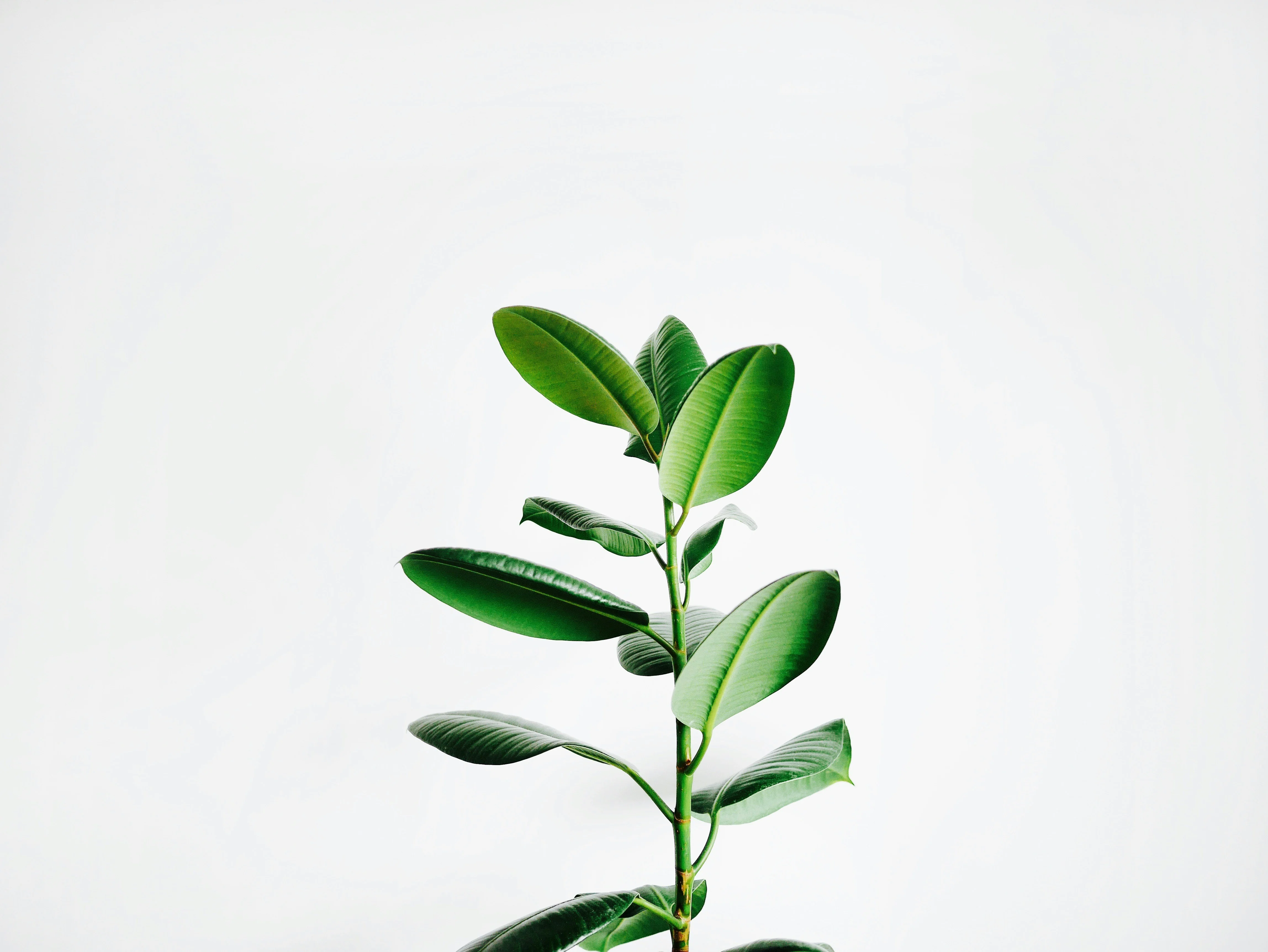
-
Light
Incredibly adaptable; thrives in bright indirect light but is famous for surviving in windowless rooms under fluorescent lights.
-
Temperature
65°F - 85°F (18°C - 29°C)
Growth
slow
pH Range
6.0 - 7.0
-
Biggest Owner Mistake
Overwatering because the glossy, lush-looking stems suggest a plant that enjoys regular moisture—but the potato-like rhizomes store months of water reserves, and consistently wet soil causes rhizome rot that progresses to stems before the leaves show any signs. Water only when the soil is completely dry, which can mean every 3–6 weeks depending on season.
-
What Nobody Tells You
It grows in distinct waves—periods of complete dormancy with no visible activity, followed by a sudden burst of multiple new stems emerging from the soil over a few weeks. What looks like a dead or stagnant plant for months is usually just a ZZ charging up for its next growth flush.
-
Real Home Conditions
In very low light it survives indefinitely but enters long dormant periods between growth flushes and produces fewer, thinner new stems. To get that full, bushy appearance with regular new growth, it needs at least moderate indirect light rather than a genuinely dark corner.
Quick Answer
To care for a ZZ Plant, place it in low to bright indirect light and water only when the soil is 100% dry. Plant it in a fast-draining succulent mix to prevent rhizome rot, which is the most common cause of yellowing leaves.
Overview
You have likely brought a ZZ Plant (Zamioculcas zamiifolia) into your home because you were told it is "indestructible." Yet, the most common frustration growers experience is watching those glossy, architectural stems turn a sickly yellow and collapse at the base. This is invariably caused by killing the plant with kindness—specifically, too much water. This guide will teach you exactly how to ignore your ZZ Plant just the right amount to let it thrive, especially in the dry, climate-controlled environments of modern homes.
Native to drought-prone regions of Eastern Africa, the ZZ Plant has evolved an incredible survival mechanism: thick, potato-like underground rhizomes that store massive amounts of water. This evolutionary trait means that when you bring it into a Western home, even one blasted with dry central heating in the winter, the plant is completely unfazed. It is not relying on atmospheric humidity; it is relying on its internal reserves. Understanding this biological fact is the key to mastering ZZ Plant care.
Light
The ZZ Plant is legendary for its shade tolerance. It is frequently seen surviving in windowless offices relying solely on overhead fluorescent lighting. However, "surviving" is different from "thriving." While it will tolerate deep shade, the plant’s growth rate will stall completely in these conditions.
For optimal growth, provide your ZZ Plant with bright, indirect light. A spot near an east-facing window or pulled back a few feet from a south or west-facing window is perfect. Keep in mind that the lower the light, the less water the plant will consume, dramatically increasing the risk of overwatering if you don't adjust your watering cadence accordingly.
Temperature
ZZ Plants prefer average room temperatures between 65°F and 85°F (18°C - 29°C). They are not frost-tolerant and will suffer tissue damage if exposed to temperatures below 45°F (7°C). If you keep your home exceptionally cool in the winter, or if the plant sits near a drafty, poorly insulated window, growth will stop and it will require even less frequent watering.
Humidity
Unlike ferns or Calatheas, ZZ Plants do not care about indoor humidity. The thick, waxy cuticle on their leaves prevents moisture loss through transpiration. Whether your home is at a comfortable 50% humidity or drops to a bone-dry 15% during the peak of winter heating, the ZZ Plant will adapt without showing the crispy brown leaf margins typical of tropical houseplants.
Watering
This is where almost all ZZ Plant failures occur. You must utilize the "soak and dry" method. Allow the potting medium to dry out 100%—from top to bottom—before watering again. Depending on the size of the pot and your environmental conditions, this can mean watering once a month, or even less frequently during the winter dormancy period. When you do water, soak the soil thoroughly until water drains from the bottom, then empty the saucer. Read our full ZZ Plant troubleshooting guide for more details on reading soil moisture.
Soil
A dense, peaty potting mix is a death sentence for the ZZ Plant's rhizomes. Because these plants must dry out completely, they require a highly aerated, gritty soil mix. Standard indoor potting soils retain far too much water. You must amend them heavily. A mix of 50% standard potting soil and 50% perlite or pumice is highly recommended. Alternatively, a commercial cactus or succulent mix works perfectly right out of the bag.
Fertilizer
Due to its slow growth rate and efficient nutrient storage, the ZZ Plant is an incredibly light feeder. Over-fertilizing will result in chemical burns to the roots and sudden yellowing of the foliage. Apply a balanced liquid houseplant fertilizer diluted to half-strength only once or twice a year, strictly during the active growing season (Spring and Summer). Never fertilize during the winter or immediately after repotting.
Propagation
There are two primary ways to propagate a ZZ Plant: division and cuttings. The fastest and most reliable method is division. When repotting a mature plant, simply gently pull apart the root ball, ensuring each new division has at least one healthy rhizome and a few stems attached. Stem cuttings and even individual leaflet cuttings will root in water or soil, but patience is required. A leaf cutting can take upwards of nine months just to develop a rhizome large enough to push out a new shoot.
Repotting
ZZ Plants enjoy being slightly root-bound. You should only repot them when the rhizomes are physically distorting the shape of the nursery pot or when roots are circling thickly at the bottom. When you do repot, choose a container that is only one size (about 1-2 inches) larger in diameter. Stepping up to a pot that is too large surrounds the roots with excess soil that holds moisture for too long, inevitably leading to root rot. Ensure the new pot has drainage holes; terracotta is an excellent choice as it wicks moisture away from the soil.
Toxicity
It is important to note that the ZZ Plant is toxic to both pets and humans. All parts of the plant contain sharp calcium oxalate crystals. If chewed or ingested, these crystals cause immediate, painful irritation to the mouth, lips, and throat, along with potential drooling and vomiting. Keep the plant well out of reach of curious cats, dogs, and small children. Washing your hands after pruning or propagating is also advised to prevent mild skin irritation.
Common Problems
The vast majority of issues stem from overwatering. If stems are turning yellow, becoming soft, and collapsing, the rhizome is rotting. You must unpot the plant, cut away all mushy, black roots and rhizomes, and repot the surviving healthy sections into completely dry, fresh succulent soil. Hold off watering for several weeks to let the cuts callous. Another common issue is wrinkled stems; ironically, this is a sign of extreme underwatering. If the soil has been bone-dry for months and the stems look shriveled, the plant has exhausted its rhizome reserves. A deep, thorough soaking will plump them back up.
Recommended next actions
Next Best Actions
Use calculators and guides to turn this plant profile into a practical care routine.
Guide
ZZ Plant Care Guide: Growing Zamioculcas Zamiifolia Indoors
After growing ZZ plants across offices, low-light apartments, and sun-drenched rooms for over eight years, we have worked out exactly how this rhizome-powered survivor operates — and why the growers who kill it are almost always doing one specific thing wrong.
Guide
Calathea Orbifolia Care Guide: Growing the Most Stunning Prayer Plant
After cultivating over 50 Calatheas and maintaining high-humidity greenhouse environments for 5 years, we have mastered the art of keeping Calathea Orbifolia thriving indoors without brown edges.
Guide
Stem Rot in Houseplants: How to Diagnose It, Save the Plant, and Prevent It from Returning
With over 12 years of houseplant pathology diagnostics and more than 1,800 fungal stem infection cases assessed across tropical and subtropical indoor growing environments, we have mapped the precise conditions under which Pythium, Fusarium, and Rhizoctonia colonise houseplant stems — and developed a triage protocol that more than doubles plant survival rates when applied within the first 72 hours of visible symptoms.
Calculator
Sunlight Calculator
Determine the ideal indoor light placement for your plant based on species, window direction, and seasonal light availability.
Calculator
Potting Mix Ratio Calculator
Calculate the ideal potting mix ratios for any plant type — from moisture-loving tropicals to drought-tolerant succulents.
Calculator
Watering Calculator
Calculate the correct watering frequency for your plant based on species, pot size, soil type, season, and climate.
Structured Plant Data
Plant Data Profile
Care values below are generated from the plant JSON fields so users and crawlers can read the structured plant profile directly on the page.
Growth Characteristics
Growth Rate
slow
Mature Height
2-3 feet indoors
Mature Spread
2-3 feet
Life Cycle
Perennial
Flowering Season
Rarely flowers indoors (Mid-summer if at all)
Container Friendly
yes
Indoor Capable
yes
Environmental Parameters
| Parameter | Recommended | Survivable |
|---|---|---|
| Temperature | 65°F - 85°F (18°C - 29°C) | 45°F - 95°F (7°C - 35°C) |
| Humidity | 30% - 50% (Standard home humidity) | 10% - 80% |
| Soil PH | 6.0 - 7.0 | 5.5 - 7.5 |
Lighting
Description
Incredibly adaptable; thrives in bright indirect light but is famous for surviving in windowless rooms under fluorescent lights.
Nutrients
Nitrogen Demand
low
Phosphate Demand
low
Potassium Demand
low
Micronutrient Notes
Requires very little fertilizer due to slow growth rate.
Fertilizer Frequency
Once or twice a year during spring/summer at half strength.
Organic Options
Worm castings top dress in early spring.
Relationships
-
Root Rot
Vulnerability | Strength 10
The number one killer of ZZ Plants is overwatering, which quickly rots the underground rhizomes.
Popular ZZ Plant Varieties
| Variety | Key Feature | Size |
|---|---|---|
| Standard ZZ Plant | Bright, glossy green leaves | Medium to Large (2-3ft) |
| Raven ZZ | New growth emerges green but turns striking purplish-black | Medium (2-3ft) |
| ZZ Zenzi | Dwarf variety with thick, tightly clustered leaves | Small (1ft) |
Troubleshooting Guide
1 Yellowing leaves and soft, collapsing stems
Cause: Root rot from overwatering or poorly draining soil.
Unpot, trim away mushy roots/rhizomes, repot in fresh dry cactus mix, and drastically reduce watering frequency.
Glossary of Terms
- Rhizome
- A modified subterranean plant stem that sends out roots and shoots from its nodes, functioning as a massive water and nutrient storage organ.
- Transpiration
- The process by which moisture is carried through plants from roots to small pores on the underside of leaves, where it changes to vapor and is released to the atmosphere.
Scientific References
- Plants of the World Online - Zamioculcas zamiifolia
- Plant Finder - Zamioculcas zamiifolia
- NC State Extension Plant Toolbox - Zamioculcas zamiifolia
- Houseplants: ZZ Plant
- World Checklist of Selected Plant Families