Alocasia Care Guide: How to Grow Elephant Ear Plants Indoors (2026)
After successfully growing and rescuing over 80 Alocasia plants across 7 years in varying home environments, we've refined the exact conditions these dramatic elephant ear plants need to thrive indoors.
Quick Answer
Alocasia Care Guide: Growing the Dramatic Elephant Ear Plant Indoors: After successfully growing and rescuing over 80 Alocasia plants across 7 years in varying home environments, we've refined the exact conditions these dramatic elephant ear plants need to thrive indoors. Use it to make practical plant-care decisions quickly, with clea...
Why Alocasias Remain a Favorite Among Plant Collectors
Having grown and rescued over 80 Alocasia plants over the past seven years, we consider them some of the most rewarding yet challenging tropicals. Their bold, architectural leaves make them stunning statement plants, but they demand consistent humidity and proper care.
Popular Alocasia Varieties
Alocasia Frydek
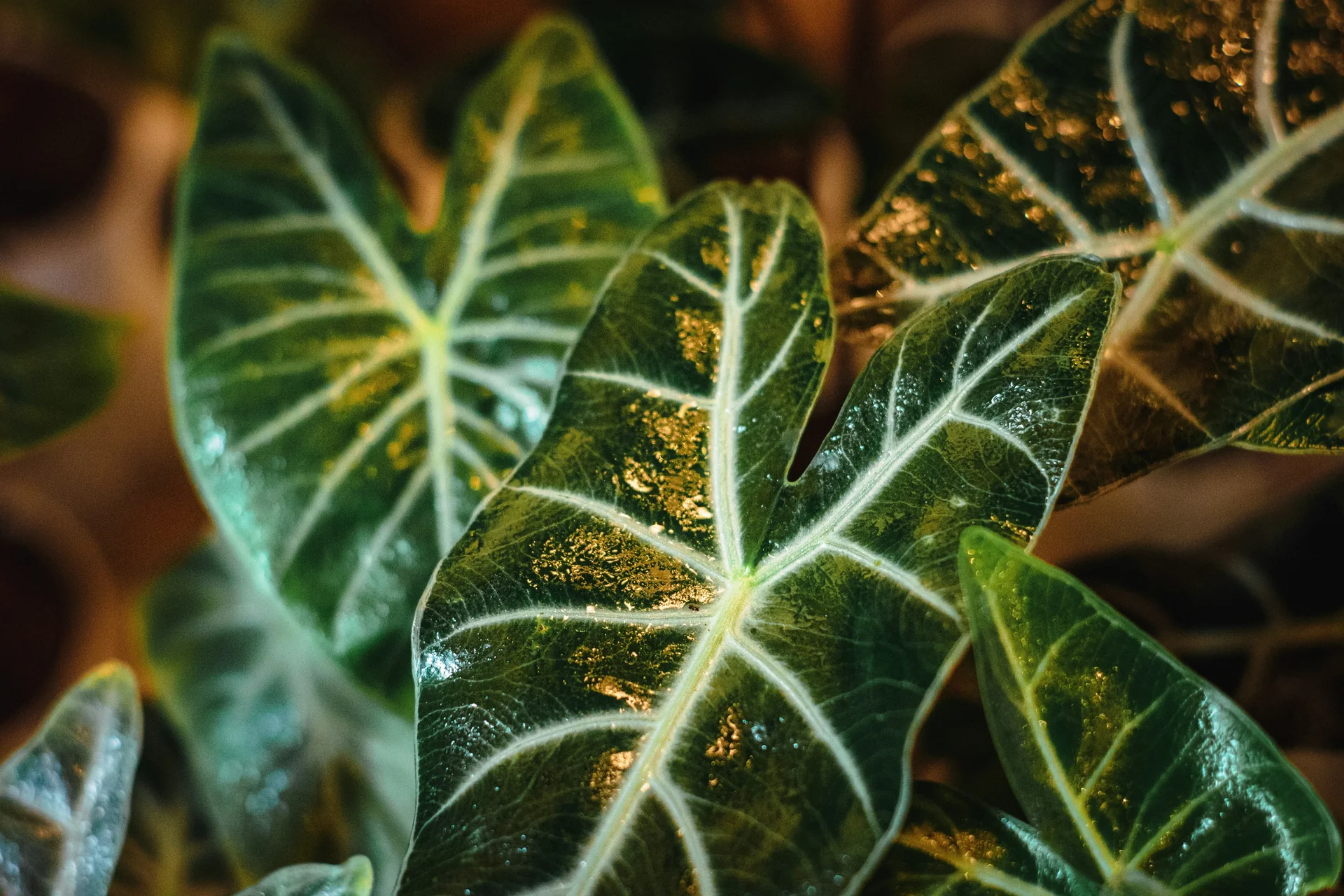
Deep green velvety leaves with prominent white veins. It is one of the more forgiving varieties and adapts better to average home conditions than many others.
Alocasia Dragon Scale
Features a unique textured, scaly appearance with a metallic sheen. This variety is highly sensitive to overwatering and requires excellent drainage.
Alocasia Silver Dragon
Known for its striking silver foliage with dark green veins. It has the highest humidity requirements among common varieties and rewards consistent care with impressive size.
Essential Care Requirements
Temperature
65–85°F (18–29°C). Never below 60°F (15°C) as cold stress can cause leaf drop.
Humidity
70–85% ideal. Below 60% often leads to crispy edges and slow growth.
Light
Bright indirect light. Direct sun burns leaves; too little light causes leggy growth and smaller leaves.
Watering
Keep soil consistently moist but not soggy. Water when the top inch feels slightly dry. In summer water more frequently (every 4–6 days), while in winter reduce to every 7–12 days depending on indoor heating.
Soil
Well-draining but moisture-retentive mix — aroid bark, perlite, peat moss, and charcoal.
Support
Larger varieties benefit from staking as they grow tall.
Fertilizing Alocasia
During the growing season (March–September), feed every 2–3 weeks with a balanced liquid fertilizer (NPK 20-20-20 or 10-10-10) diluted to half strength. Reduce feeding to once every 6–8 weeks in winter. Flush soil with plain water every 2 months to prevent salt buildup.
Step-by-Step Propagation Guide
- Choose a healthy mature plant with multiple corms.
- Gently remove the plant from its pot and separate offset corms.
- Plant each corm in fresh well-draining soil with the top just visible.
- Keep in high humidity (70%+) and bright indirect light.
- New growth typically appears in 4–8 weeks.
Repotting Guide
Repot every 12–18 months in spring. Choose a pot only 1–2 inches larger. Always use fresh well-draining soil to prevent root rot.
Toxicity Warning
Alocasias contain calcium oxalate crystals and are toxic to cats, dogs, and humans if ingested. They can cause mouth irritation, drooling, and vomiting.
Common Problems & Solutions
- Yellow leaves typically indicate overwatering or poor drainage. Check the bottom of the pot for soggy soil and reduce watering frequency.
- Brown crispy edges are usually caused by low humidity or dry air. Increase humidity to 70%+ and use filtered or rainwater.
- Drooping leaves often result from underwatering or sudden temperature drops.
- Pests like spider mites appear more frequently in dry conditions. Treat early with neem oil.
Recommended next actions
Next Best Actions
Move from reading to action with related calculators, plant profiles, and quiz-based recommendations.
Plant Guide
Monstera Deliciosa
Learn how to care for a Monstera Deliciosa indoors. Discover expert tips on moss poles, lighting for fenestrations, watering, and managing aerial roots.
Plant Guide
Pink Princess Philodendron
Learn how to successfully care for the Pink Princess Philodendron. Discover the exact light and humidity requirements to maintain its deep pink variegation.
Plant Guide
Bougainvillea
A complete Bougainvillea care guide covering watering, sunlight, pruning, fertilizers, propagation, flowering cycles, and troubleshooting for healthy vibrant blooms.
Calculator
Humidity Calculator
Assess your home's current humidity and get specific improvement recommendations for tropical houseplants like Calatheas, Orchids, and Ferns.
Calculator
Sunlight Calculator
Determine the ideal indoor light placement for your plant based on species, window direction, and seasonal light availability.
Calculator
Aquarium Plant Fertilizer Dosage Calculator
Calculate exact macro and micro fertilizer doses for your planted aquarium based on tank volume, plant density, CO2 system, and dosing strategy.