Rubber Plant Care: Stop Leaf Drop and Grow a Towering Ficus Elastica
Ficus elastica
A stunning, bold-leaf indoor tree. Master the balance of bright light and careful watering to grow a towering, architectural Rubber Plant in your home.
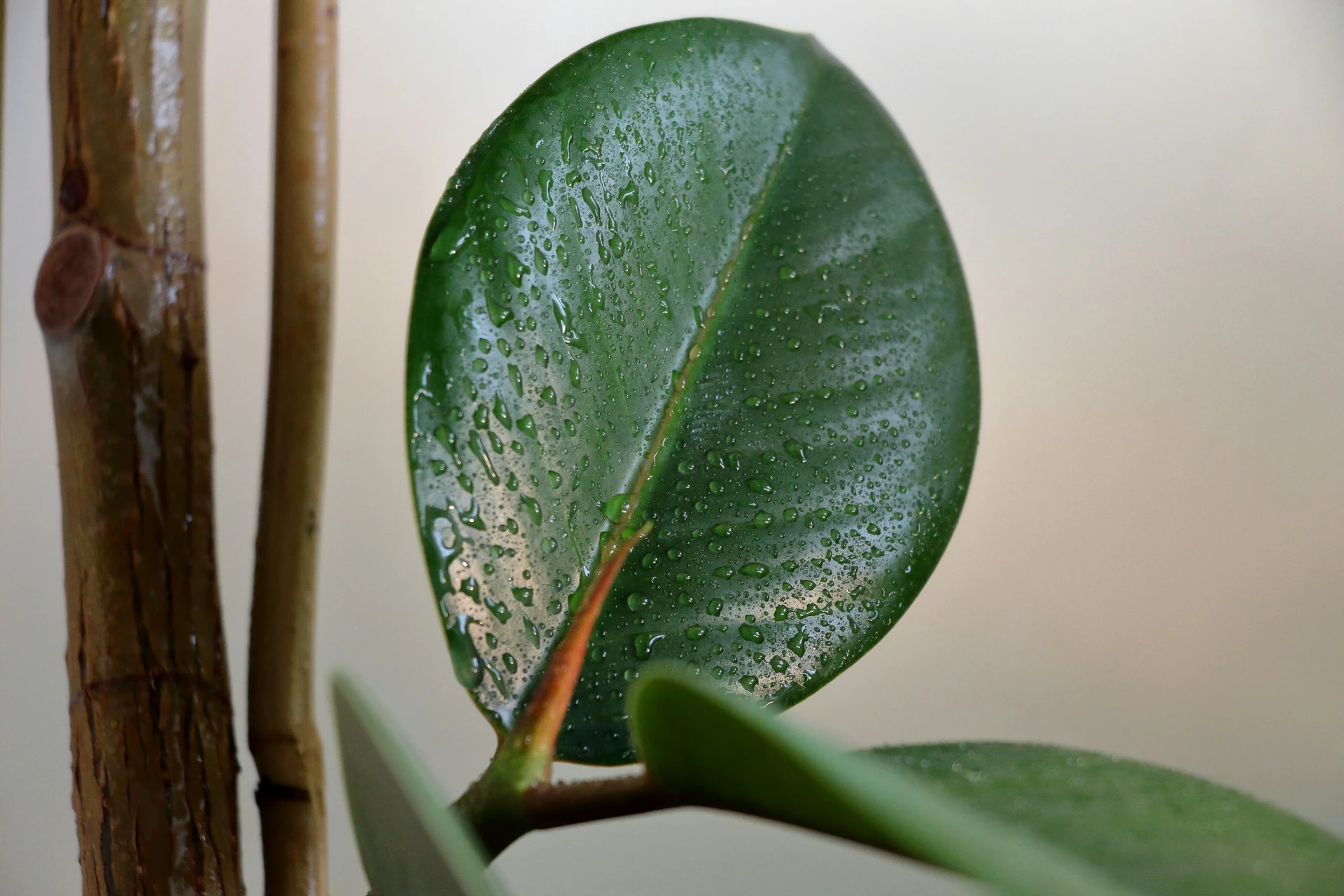
-
Light
Requires bright, indirect light to maintain its large leaves and rich colors. Variegated types (like Tineke or Ruby) need significantly more light than dark green or burgundy varieties.
-
Temperature
65-85°F (18-29°C)
-
Growth
moderate to fast
-
pH range
6.0-7.0
Quick Answer
Rubber Plants need bright, indirect sunlight and well-draining soil. Allow the top 2-3 inches of soil to dry out completely between waterings. If the lower leaves are turning yellow and falling off, you are likely overwatering or the plant is in a cold draft.
Vastu Placement
Vastu Placement and Practical Fit
In Vastu Shastra, plants with broad, round leaves are highly auspicious. The South-West zone is the earth element zone, linked to stability and the head of the household. Heavy, grounded plants with dense foliage like the Rubber Plant provide stability here. Alternatively, placing it in the South-East encourages financial growth.
Best Directions
South East, South West
Best Rooms
Living Room, Study, Office
Light Range
Medium, Bright Indirect
Care Profile
Moderate | Not pet safe | Indoor suitable
Common Goals
Reference: https://www.rhs.org.uk/plants/ficus-elastica
Overview
The Rubber Plant (Ficus elastica) is a beloved indoor tree known for its thick, glossy, oversized leaves and strong, architectural presence. Native to the tropical regions of South and Southeast Asia, it earned its name from its milky white sap, which was once used to make low-grade rubber.
Today, it is a staple of interior design, bridging the gap between a standard houseplant and a piece of living furniture. With varieties ranging from deep, near-black burgundy to stunning pink-and-cream variegation, it is a versatile and air-purifying addition to any bright room.
Light and Placement
Lighting is the most critical factor for a happy Rubber Plant. They require bright, indirect light. Placing them right next to an east-facing window where they receive gentle morning sun is ideal. If you have a south or west-facing window, filter the harsh afternoon light with a sheer curtain to prevent the leaves from scorching.
If a Rubber Plant does not receive enough light, it will become 'leggy'—meaning the stem stretches, and there are large, bare gaps between the leaves. It may also begin dropping its lower leaves to conserve energy.
Watering Strategy
Ficus elastica likes its soil to be slightly moist, but it is highly susceptible to root rot if left sitting in water. Wait until the top 2 to 3 inches of the soil are completely dry before watering. When you do water, soak the soil thoroughly until water runs out of the drainage holes at the bottom of the pot, and then empty the saucer immediately.
During the winter dormancy period, the plant's metabolism slows down, and it will require significantly less water. Pro Tip: Drooping leaves that look yellow and feel mushy are a guaranteed sign of overwatering.
Soil and Repotting
Because Rubber Plants are prone to root rot, a standard, dense potting soil is not sufficient. You need a mix that drains quickly but holds enough moisture to nourish the massive leaves. A mixture of 50% high-quality indoor potting soil, 25% perlite, and 25% orchid bark or coco chips provides the perfect balance of aeration and moisture retention.
Repot your Rubber Plant every 1 to 2 years, going up only one pot size (about 2 inches wider in diameter). Planting them in a pot that is too large traps excess water in the soil, leading to rot.
Pruning and Shaping
In nature, Rubber Trees grow straight up toward the canopy. Indoors, this can result in a plant that hits your ceiling but looks like a single, sparse pole. To encourage the plant to branch out and become a bushy tree, you need to prune it.
Using clean, sharp pruning shears, cut the main stem just above a leaf node (the point where a leaf attaches to the stem). Be prepared: the plant will bleed white latex sap, so put down a towel and wear gloves to avoid skin irritation. The plant will eventually sprout two or more new branches from the nodes directly below your cut.
Common Problems
Rubber Plants are creatures of habit. They hate being moved, they hate sudden temperature drops, and they hate cold drafts from air conditioners or open winter windows. Exposing them to any of these stressors will often cause them to drop their leaves in protest.
Pests are relatively uncommon due to the thick, waxy cuticle of the leaves, but keep an eye out for scale insects or spider mites in dry winter air. Regularly wiping down the massive leaves with a damp cloth not only removes dust but also wipes away potential pests before they can establish an infestation.
Recommended next actions
Next Best Actions
Use calculators and guides to turn this plant profile into a practical care routine.
Guide
Why Watering Your Plants at Night is Killing Them: Best Watering Practices Guide
After professionally managing thousands of indoor houseplants and outdoor garden beds over the last 10 years, we've identified nighttime watering as the number one preventable cause of fatal fungal diseases.
Guide
Alocasia Care Guide: Growing the Dramatic Elephant Ear Plant Indoors
After successfully growing and rescuing over 80 Alocasia plants across 7 years in varying home environments, we've refined the exact conditions these dramatic elephant ear plants need to thrive indoors.
Guide
Calathea Orbifolia Care Guide: Growing the Most Stunning Prayer Plant
After cultivating over 50 Calatheas and maintaining high-humidity greenhouse environments for 5 years, we have mastered the art of keeping Calathea Orbifolia thriving indoors without brown edges.
Calculator
Sunlight Calculator
Determine the ideal indoor light placement for your plant based on species, window direction, and seasonal light availability.
Calculator
Grow Bag Sizing Calculator
Find the perfect grow bag size for your plant based on root depth, plant type, and expected mature size.
Calculator
Heat Stress Diagnosis Calculator
Diagnose plant heat stress risk from your temperature, humidity, sunlight exposure, and symptoms — then get specific watering, shade, and airflow actions.
Structured Plant Data
Plant Data Profile
Care values below are generated from the plant JSON fields so users and crawlers can read the structured plant profile directly on the page.
Growth Characteristics
Growth Rate
moderate to fast
Mature Height
6-10 feet indoors (can reach 100 feet in the wild)
Mature Spread
2-4 feet
Life Cycle
Perennial
Flowering Season
Rarely flowers indoors
Container Friendly
yes
Indoor Capable
yes
Environmental Parameters
| Parameter | Recommended | Survivable |
|---|---|---|
| Temperature | 65-85°F (18-29°C) | 55-90°F (13-32°C) |
| Humidity | 40-60% | 30-80% |
| Soil PH | 6.0-7.0 | 5.5-7.5 |
Lighting
Description
Requires bright, indirect light to maintain its large leaves and rich colors. Variegated types (like Tineke or Ruby) need significantly more light than dark green or burgundy varieties.
Nutrients
Nitrogen Demand
medium
Phosphate Demand
low
Potassium Demand
medium
Micronutrient Notes
Requires regular feeding during the summer to push out its massive leaves.
Fertilizer Frequency
Feed once a month during spring and summer with a balanced liquid houseplant fertilizer.
Organic Options
Top dress with worm castings in early spring.
Relationships
-
Overwatering
Vulnerability | Strength 10
Ficus elastica is highly prone to root rot. Sitting in wet soil causes rapid lower leaf drop.
-
Cold Drafts
Vulnerability | Strength 9
Sudden temperature drops or placing the plant near an AC vent will trigger shock and leaf loss.
Popular Rubber Plant Varieties
| Variety | Leaf Color | Light Requirement | Growth Speed |
|---|---|---|---|
| Burgundy / Abidjan | Deep purplish-black to dark green | Medium to Bright Indirect | Fast |
| Tineke | Green with cream and light pink edges | Very Bright Indirect | Moderate |
| Ruby | Green with vibrant pink/red variegation | Very Bright Indirect (Needs high light) | Moderate |
| Robusta | Classic bright to medium green | Medium to Bright Indirect | Fast |
Troubleshooting Guide
1 Lower leaves turning yellow and dropping
Cause: Overwatering or poor drainage
Stop watering immediately. Check the soil deep in the pot; if it's soggy, you may need to repot in dry, aerated soil.
2 Leaves curling inward or drooping without yellowing
Cause: Underwatering or low humidity
Check the soil. If it is bone dry, give the plant a deep, thorough watering.
3 Loss of pink or white coloring on leaves
Cause: Not enough light for variegated varieties
Move the plant closer to a bright window. Variegated plants need higher light to maintain their colors.
4 White, crusty bumps on the stems or undersides of leaves
Cause: Scale insects
Scrape them off manually with a fingernail or a cloth soaked in rubbing alcohol, then treat the plant with Neem oil.
Glossary of Terms
- Latex Sap
- A milky white fluid that oozes from the plant when cut. It is an irritant to skin and toxic if ingested.
- Node
- The joint on a stem where leaves attach. Pruning just above a node encourages the plant to branch out.
- Leggy
- A term used to describe a plant that has grown long, weak stems with large gaps between the leaves, usually as a result of reaching for inadequate light.
Scientific References
- Ficus elastica - Royal Horticultural Society