Areca Palm Care Guide: Light, Watering and Humidity for Indoor Palms
Dypsis lutescens
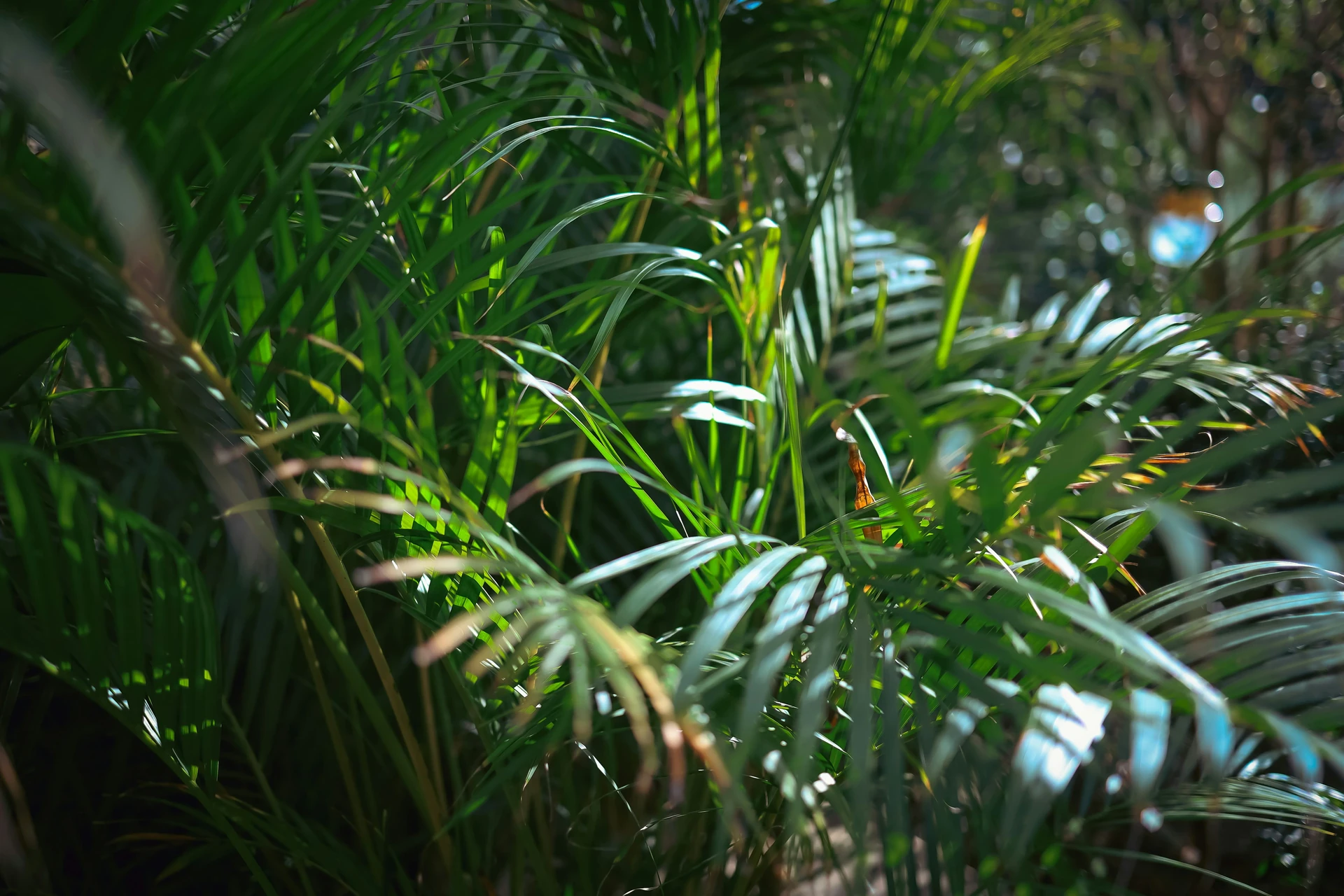
A feathery indoor palm suited for bright indirect spaces with moderate humidity.
-
Light
Thrives in bright, indirect sunlight. Direct sun will scorch the fronds.
-
Temperature
65-75°F (18-24°C)
-
Growth
moderate
-
pH range
6.0-6.5
Quick Answer
Areca Palm does best in bright indirect light with steady moisture and high humidity. It is sensitive to tap water chemicals, so use filtered or rainwater.
Vastu Placement
Vastu Placement and Practical Fit
According to Vastu, the North-West and East directions are ideal for the Areca Palm. Placing the palm in these zones enhances the flow of clean energy, purifies stagnant indoor air (Prana), and softens harsh architectural corners in a living room.
Best Directions
North West, East, North East
Best Rooms
Living Room, Entrance, Study
Light Range
Medium, Bright Indirect
Care Profile
Moderate | Pet safe | Indoor suitable
Common Goals
Reference: https://www.rhs.org.uk/plants/dypsis
Overview
The Areca Palm (Dypsis lutescens) is a classic indoor plant, prized for its feathery, arching fronds that bring a tropical feel to any home. Native to Madagascar, it is highly valued not just for its aesthetics but also for its air-purifying capabilities.
Care Basics
Areca Palms require consistency. They thrive in bright, indirect light—direct sun will scorch their delicate fronds. Watering is critical: they prefer moist, but not waterlogged soil.
Recommended next actions
Next Best Actions
Use calculators and guides to turn this plant profile into a practical care routine.
Guide
Calathea Orbifolia Care Guide: Growing the Most Stunning Prayer Plant
After cultivating over 50 Calatheas and maintaining high-humidity greenhouse environments for 5 years, we have mastered the art of keeping Calathea Orbifolia thriving indoors without brown edges.
Quiz
Get My Plant Map
Answer a short placement quiz for direction, room, light, and care-fit recommendations.
Guide
Alocasia Care Guide: Growing the Dramatic Elephant Ear Plant Indoors
After successfully growing and rescuing over 80 Alocasia plants across 7 years in varying home environments, we've refined the exact conditions these dramatic elephant ear plants need to thrive indoors.
Guide
Mastering Humidity for Calatheas: The Expert Guide
After maintaining high-humidity greenhouse environments and rescuing hundreds of tropicals over the last 10 years, we have mastered the exact microclimate techniques needed to keep Calatheas thriving without crispy brown edges.
Calculator
Sunlight Calculator
Determine the ideal indoor light placement for your plant based on species, window direction, and seasonal light availability.
Calculator
Heat Stress Diagnosis Calculator
Diagnose plant heat stress risk from your temperature, humidity, sunlight exposure, and symptoms — then get specific watering, shade, and airflow actions.
Structured Plant Data
Plant Data Profile
Care values below are generated from the plant JSON fields so users and crawlers can read the structured plant profile directly on the page.
Growth Characteristics
Growth Rate
moderate
Mature Height
6-10 feet indoors
Mature Spread
3-5 feet
Life Cycle
Perennial
Container Friendly
yes
Indoor Capable
yes
Environmental Parameters
| Parameter | Recommended | Survivable |
|---|---|---|
| Temperature | 65-75°F (18-24°C) | 55-85°F (13-29°C) |
| Humidity | 50-70% | 40-80% |
| Soil PH | 6.0-6.5 | Not specified |
Lighting
Description
Thrives in bright, indirect sunlight. Direct sun will scorch the fronds.
Troubleshooting Guide
1 Crispy brown tips
Cause: Tap water chemicals or low humidity
Switch to filtered water; increase humidity via misting or a pebble tray.
2 Yellowing fronds
Cause: Overwatering or nutrient deficiency
Check soil moisture; if wet, reduce watering. If dry, apply a balanced liquid fertilizer.