Holy Basil (Tulsi) Care: How to Grow Sacred Plants Indoors and Outdoors
Ocimum tenuiflorum (syn. Ocimum sanctum)
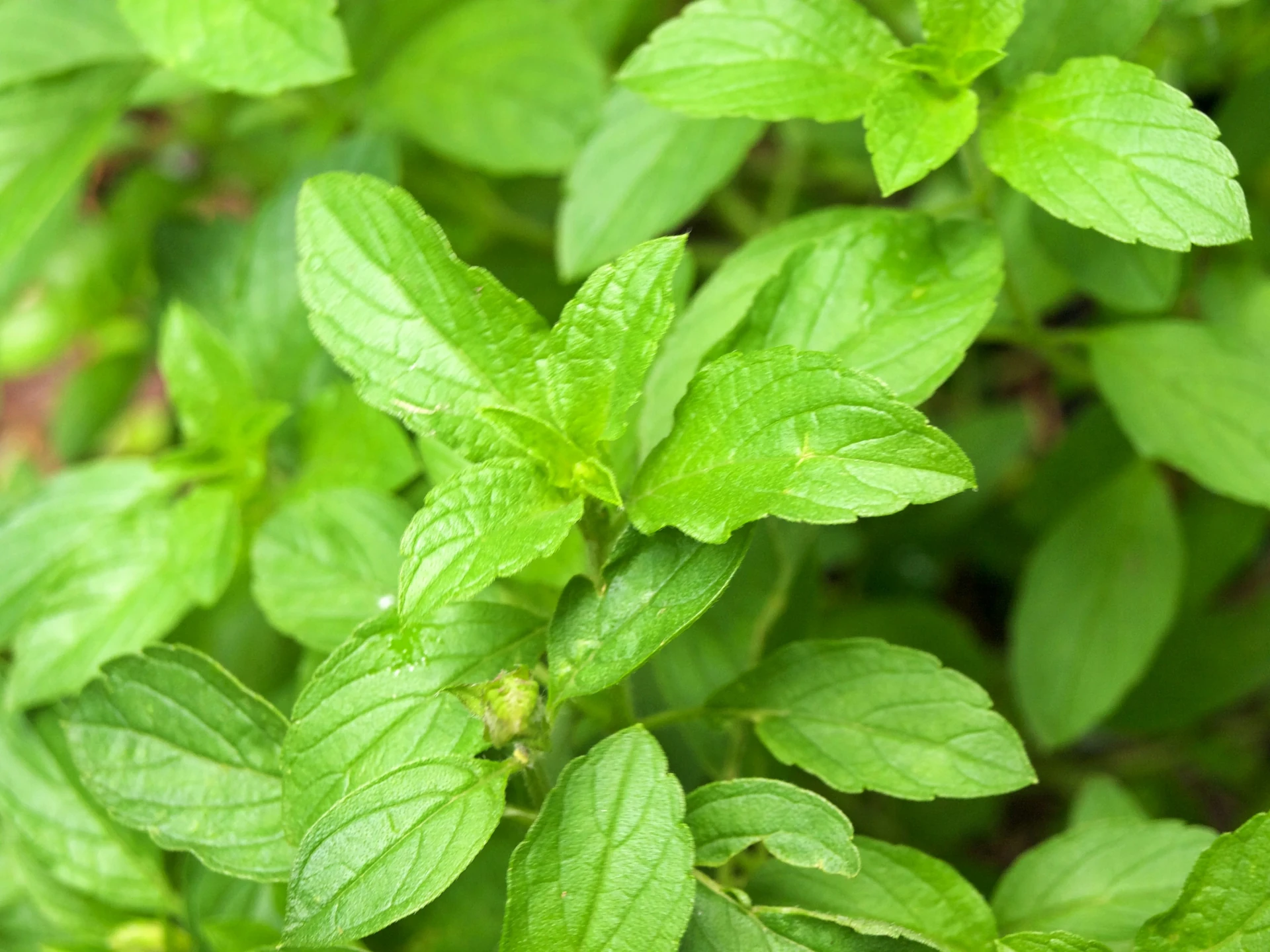
Holy Basil (Tulsi) is a sacred culinary and medicinal herb native to the Indian subcontinent and Southeast Asia.
-
Light
Holy Basil (Tulsi) requires bright, direct sunlight to photosynthesize and grow well.
-
Temperature
65-75°F (18-24°C)
Growth
fast
pH Range
6.0-7.0
-
Biggest Owner Mistake
Overwatering because it looks like culinary basil, which needs consistent moisture—but tulsi evolved in drier conditions and its roots rot quickly when soil stays wet. Let the top inch dry out between waterings and ensure excellent drainage.
-
What Nobody Tells You
Without regular pinching of growing tips, it channels energy into flowering and setting seed rather than producing aromatic leaves—once it fully flowers, the plant dies as part of its natural lifecycle. Pinching back the top two pairs of leaves every few weeks keeps it productive and alive.
-
Real Home Conditions
In low indoor light, the essential oils that give tulsi its characteristic scent and medicinal potency are barely produced—the plant grows green but smells weak. It genuinely needs a very sunny windowsill or supplemental grow light to produce aromatic foliage.
Quick Answer
To grow Holy Basil (Tulsi) successfully, ensure it receives 6–8 hours of direct sunlight daily. Water when the top 1 inch of soil is dry, typically every 2–3 days outdoors in summer, and less frequently indoors, while avoiding waterlogged soil.
Vastu Placement
Vastu Placement and Practical Fit
The north-east corner (Ishaan kona) is considered the most auspicious zone. It suits plants with uplifting energy and strong morning light needs. Keep this zone clutter-free and well-ventilated.
Best Directions
East, North East
Best Rooms
Balcony, Entrance
Light Range
Bright Indirect, Full Sun
Care Profile
Moderate | Pet safe | Best for outdoor support
Common Goals
Reference: https://www.rhs.org.uk/plants/ocimum
Overview
Holy Basil (Tulsi), is a revered herb in Ayurvedic tradition, cherished for its medicinal and culinary properties. Native to the Indian subcontinent and Southeast Asia, this tender perennial has been a staple in many gardens for centuries.
As a member of the Lamiaceae family, Holy Basil is closely related to other popular herbs like basil, mint, and rosemary. Its unique flavor and aroma have made it a favorite among chefs and herbalists alike.
- Holy Basil is an adaptogenic herb, meaning it can help the body adapt to stress and promote overall well-being.
- In Hinduism, Holy Basil (Tulsi) is considered a sacred plant, often grown in temples and homes for its spiritual significance.
- Holy Basil has been used in traditional medicine for centuries to treat a variety of ailments, from fever to digestive issues.
- The herb is also a natural insect repellent, making it a great addition to gardens and indoor spaces.
Botanical Profile
Holy Basil's botanical name is Ocimum tenuiflorum, although it is also known as Ocimum sanctum. This tender perennial grows up to 2-3 feet tall, with a spread of around 1-2 feet.
The plant's leaves are a deep green color, with a distinctive purple tint on the underside. They are also slightly hairy, giving them a soft texture.
- Holy Basil has a square stem, typical of the Lamiaceae family, with nodes that produce roots when buried in soil.
- The plant produces small, white or purple flowers in the summer months, which are rich in nectar and attract pollinators.
- Holy Basil's roots are relatively shallow, making it a great candidate for container gardens or indoor pots.
Light and Placement
Holy Basil requires full sun to partial shade, with a minimum of 6-8 hours of direct sunlight per day. This makes it an ideal candidate for south-facing windowsills or outdoor gardens with plenty of sunlight.
When grown indoors, Holy Basil prefers a spot with good air circulation to prevent fungal diseases. A temperature range of 65-75°F (18-24°C) is ideal for optimal growth.
- Avoid placing Holy Basil in areas with high humidity, as this can lead to root rot and other problems.
- If you live in a frost-prone area, consider growing Holy Basil as an annual or bringing it indoors during the winter months.
- Holy Basil can be grown in a variety of containers, from small pots to large planters, as long as they have good drainage holes.
Watering Strategy
Holy Basil prefers well-draining soil and should be watered when the top 1 inch of soil is dry. This is usually every 2-3 days during the summer months, and less frequently during the winter.
Avoid getting water on the leaves or crown of the plant, as this can lead to fungal diseases. Instead, water at the soil level, making sure not to overwater.
- Check the soil moisture by inserting your finger into the soil up to the first knuckle. If the soil feels dry, it's time to water.
- Reduce watering during the winter months, as Holy Basil is dormant and requires less moisture.
- Avoid using tap water, which can contain high levels of chlorine and fluoride that can harm the plant. Instead, use filtered or rainwater.
Soil and Potting Mix
Holy Basil prefers well-draining soil with a pH range of 6.0-7.0. A mix specifically designed for herbs or tropical plants is ideal, as it will contain the necessary nutrients and drainage properties.
Avoid using regular potting soil, as it can retain too much water and cause root rot. Instead, opt for a mix that contains perlite, vermiculite, or sand to improve drainage.
- Add a layer of compost or well-rotted manure to the soil to improve its fertility and structure.
- Avoid using soil that contains high levels of fertilizer, as this can burn the roots of the plant.
- Repot Holy Basil every 6-12 months to refresh the soil and provide a larger pot if necessary.
Fertilizer and Nutrients
Holy Basil is a heavy feeder and requires regular fertilization to promote healthy growth. Use a balanced fertilizer that contains equal amounts of nitrogen, phosphorus, and potassium (NPK).
Avoid using high-nitrogen fertilizers, as they can promote weak and leggy growth. Instead, opt for a fertilizer that is high in phosphorus, which will promote root development and flowering.
- Feed Holy Basil with a liquid fertilizer during the growing season (spring-fall), and reduce fertilization during the winter months.
- Add a layer of compost tea to the soil to provide beneficial microbes and improve soil fertility.
- Avoid overfertilizing, as this can cause more harm than good. Instead, fertilize lightly and regularly.
Propagation Methods
Holy Basil can be propagated through seeds, cuttings, or division. Seeds are the most common method, as they are easy to obtain and sow.
Take 4-6 inch stem cuttings from the tips of the plant, remove lower leaves, and plant them in a pot filled with moistened potting mix. Keep the soil warm and humid until roots develop.
- Sow seeds indoors 6-8 weeks before the last frost date, and transplant them outside when the weather warms up.
- Divide established plants in the spring or fall, making sure each division has at least one growing stem.
- Take leaf cuttings from the plant, and use them to make Tulsi tea or add to salads.
Common Problems and Troubleshooting
Holy Basil is susceptible to pests like aphids, whiteflies, and spider mites. Regularly inspect the plant for signs of infestation, and treat promptly with insecticidal soap or neem oil.
Fungal diseases like root rot and leaf spot can occur if the plant is overwatered or exposed to high humidity. Improve air circulation, and reduce watering to prevent these problems.
- Watch for signs of nutrient deficiency, like yellowing leaves or stunted growth. Adjust fertilization accordingly.
- Prune the plant regularly to promote bushy growth and prevent it from becoming leggy.
- Monitor the plant for signs of stress, like droopy leaves or reduced growth. Adjust its environment accordingly.
Seasonal Care
Holy Basil is a warm-season crop and thrives in temperatures above 60°F (15°C). In areas with frost, bring the plant indoors during the winter months or grow it as an annual.
In areas with mild winters, Holy Basil can be grown year-round. Prune the plant back after flowering to promote new growth.
- Reduce watering during the winter months, as the plant is dormant and requires less moisture.
- Fertilize the plant lightly during the winter months, as it requires fewer nutrients.
- Prune the plant back in the spring to promote new growth and prevent it from becoming leggy.
Advanced Growing Tips
Holy Basil can be grown in a variety of containers, from small pots to large planters. Make sure the container has good drainage holes to prevent waterlogged soil.
Use a trellis or stake to support the plant as it grows, especially if it becomes top-heavy with flowers.
- Grow Holy Basil in a greenhouse or indoor garden to extend the growing season and improve yields.
- Use row covers to protect the plant from pests and diseases, and to improve soil temperature.
- Experiment with different varieties of Holy Basil, like 'Krishna' or 'Rama', to find the one that suits your needs best.
Recommended next actions
Next Best Actions
Use calculators and guides to turn this plant profile into a practical care routine.
Calculator
Sunlight Calculator
Determine the ideal indoor light placement for your plant based on species, window direction, and seasonal light availability.
Calculator
Watering Calculator
Calculate the correct watering frequency for your plant based on species, pot size, soil type, season, and climate.
Calculator
Planting & Sowing Calendar
Find the best indoor and outdoor sowing dates for vegetables, herbs, and flowers based on your USDA Hardiness Zone and local frost dates.
Guide
Calathea Orbifolia Care Guide: Growing the Most Stunning Prayer Plant
After cultivating over 50 Calatheas and maintaining high-humidity greenhouse environments for 5 years, we have mastered the art of keeping Calathea Orbifolia thriving indoors without brown edges.
Guide
Humidity Tray vs Humidifier for Houseplants: What Actually Works
With over 14 years of indoor climate management across more than 1,800 diagnosed humidity-failure cases — from browning Calathea tips in air-conditioned apartments to crisping Alocasia leaves during dry winters — we've measured exactly how much humidity each method actually delivers at leaf level, and the gap is larger than most plant owners expect.
Guide
Peperomia Care Guide: How to Grow, Water, and Troubleshoot Peperomia Plants
Having propagated and diagnosed more than 2,500 peperomia specimens across over 40 varieties during 12 years in plant care, we know this genus is simultaneously the most forgiving plant in a typical indoor collection and the one most consistently damaged by a single, preventable mistake: overwatering a plant that does not need it.
Structured Plant Data
Plant Data Profile
Care values below are generated from the plant JSON fields so users and crawlers can read the structured plant profile directly on the page.
Growth Characteristics
Growth Rate
fast
Mature Height
12-18 inches
Mature Spread
12-18 inches
Life Cycle
tender perennial; grown as annual in frost-prone climates
Flowering Season
summer
Container Friendly
yes
Indoor Capable
yes
Environmental Parameters
| Parameter | Recommended | Survivable |
|---|---|---|
| Temperature | 65-75°F (18-24°C) | 50-90°F (10-32°C) |
| Humidity | 50-70% | 40-80% |
| Soil PH | 6.0-7.0 | 5.5-7.5 |
Lighting
Description
Holy Basil (Tulsi) requires bright, direct sunlight to photosynthesize and grow well.
Nutrients
Nitrogen Demand
medium
Phosphorus Demand
low
Potassium Demand
medium
Micronutrient Notes
Holy Basil (Tulsi) requires adequate micronutrients like iron, magnesium, and calcium for healthy growth.
Fertilizer Frequency
Fertilize every 2-3 weeks during the growing season.
Organic Options
Use organic fertilizers like compost or fish emulsion to promote healthy growth.
Relationships
-
Sunlight
Requirement | Strength 9
Holy Basil (Tulsi) requires direct sunlight for at least 6 hours a day to thrive. Insufficient sunlight can lead to weak and leggy growth.
-
Watering
Requirement | Strength 8
Holy Basil (Tulsi) needs consistent moisture, but overwatering can be detrimental. Watering when the top inch of soil is dry helps prevent root rot.
-
Potting Mix Calculator
Requirement | Strength 7
Holy Basil (Tulsi) prefers well-draining soil to prevent waterlogged soil conditions. A mix of compost and perlite can provide the necessary drainage.
-
Fertilizer
Requirement | Strength 5
Holy Basil (Tulsi) benefits from regular fertilization, but excessive fertilizer can damage the plant. A balanced, water-soluble fertilizer can promote healthy growth.
-
Pruning
Requirement | Strength 6
Regular pruning helps maintain Holy Basil (Tulsi)'s shape and encourages new growth. Pinching off flower buds can direct the plant's energy towards leaf production.
-
Aphids
Vulnerability | Strength 4
Holy Basil (Tulsi) is susceptible to aphid infestations, which can spread plant viruses. Regularly inspecting the plant and using neem oil can help control aphid populations.
-
Root Rot
Vulnerability | Strength 8
Holy Basil (Tulsi) is prone to root rot due to overwatering. Ensuring good drainage and avoiding waterlogged soil can help prevent root rot.
Holy Basil (Tulsi) Growing Methods Compared
| Growing Method | Space Requirements | Growth Rate | Recommended for |
|---|---|---|---|
| Outdoor in Ground | Minimum 12 inches deep and 18 inches wide | Faster (6-8 weeks to harvest) | Warm climates with full sun |
| Container (Small) | Minimum 6-8 inches deep and 8-10 inches wide | Moderate (8-10 weeks to harvest) | Small spaces, indoor growing, or cooler climates |
| Container (Large) | Minimum 12 inches deep and 18 inches wide | Faster (6-8 weeks to harvest) | Balconies, patios, or indoor growing with ample space |
| Indoor on Windowsill | Minimum 6-8 inches deep and 8-10 inches wide | Slower (10-12 weeks to harvest) | Cooler climates, limited outdoor space, or year-round growing |
Troubleshooting Guide
1 Yellow leaves
Cause: Overwatering, nutrient deficiency, or too little sunlight
Check soil moisture and adjust watering schedule. Fertilize with a balanced fertilizer during the growing season.
2 Wilting
Cause: Underwatering, high temperatures, or root bound
Water thoroughly and ensure the pot has good drainage. Consider transplanting into a larger pot with fresh soil.
3 Poor flowering
Cause: Insufficient sunlight, inadequate fertilization, or pruning too frequently
Move the plant to a sunnier location and fertilize regularly. Prune only to maintain shape and encourage new growth.
4 Root rot
Cause: Waterlogged soil, poor drainage, or fungal infection
Repot the plant in fresh, well-draining soil and reduce watering frequency. Treat with a fungicide if necessary.
5 Pests
Cause: Aphids, whiteflies, or spider mites
Spray the plant with a mild insecticidal soap solution and isolate it from other plants to prevent infestation.
6 Leaf spots
Cause: Fungal or bacterial infection, often caused by overwatering
Remove affected leaves and treat the plant with a fungicide. Improve air circulation and reduce watering frequency.
7 Nutrient deficiency
Cause: Lack of essential micronutrients like iron or magnesium
Fertilize with a balanced fertilizer that includes micronutrients. Consider adding a supplement specifically formulated for Tulsi plants.
8 Seasonal die-back
Cause: Frost damage or natural dormancy
Protect the plant from frost by bringing it indoors or covering it with a frost blanket. Prune back dead growth in spring to encourage new growth.
Glossary of Terms
- Tender Perennial
- A plant that is sensitive to frost and typically dies back in winter, but can regrow in warmer temperatures. In frost-prone climates, tender perennials are often grown as annuals.
- Ayurvedic Tradition
- A traditional system of medicine and wellness originating from the Indian subcontinent, which emphasizes the use of natural remedies, including herbs like Tulsi, to promote health and balance.
- Essential Oil
- A concentrated plant extract, often obtained through distillation or solvent extraction, which contains the plant's aromatic and bioactive compounds. Essential oils can be used for medicinal, culinary, or cosmetic purposes.
- Waterlogged Soil
- Soil that is saturated with water, causing the roots of plants to rot and leading to root disease. Waterlogged soil can be detrimental to plant health and should be avoided by ensuring proper drainage and watering practices.
- South-Facing Windowsill
- A windowsill that receives direct sunlight for most of the day, typically from the south direction. South-facing windowsills are ideal for plants that require bright, direct light, like Holy Basil (Tulsi).
- Frost-Prone Climates
- Regions that experience frost or freezing temperatures during the winter months, which can damage or kill sensitive plants. In frost-prone climates, plants like Tulsi may need to be protected or brought indoors during the winter.
Scientific References
- Ocimum tenuiflorum (syn. Ocimum sanctum) - USDA PLANTS Database
- Tulsi: A Herb for All Reasons - National Institute of Ayurveda
- Ocimum tenuiflorum - Royal Horticultural Society
- Phytochemical and Pharmacological Profile of Ocimum tenuiflorum L. - Journal of Pharmacy and Pharmacology
- Tulsi - National Tropical Botanical Garden