Ashwagandha Plant Care & Growing Guide | PlantSolve
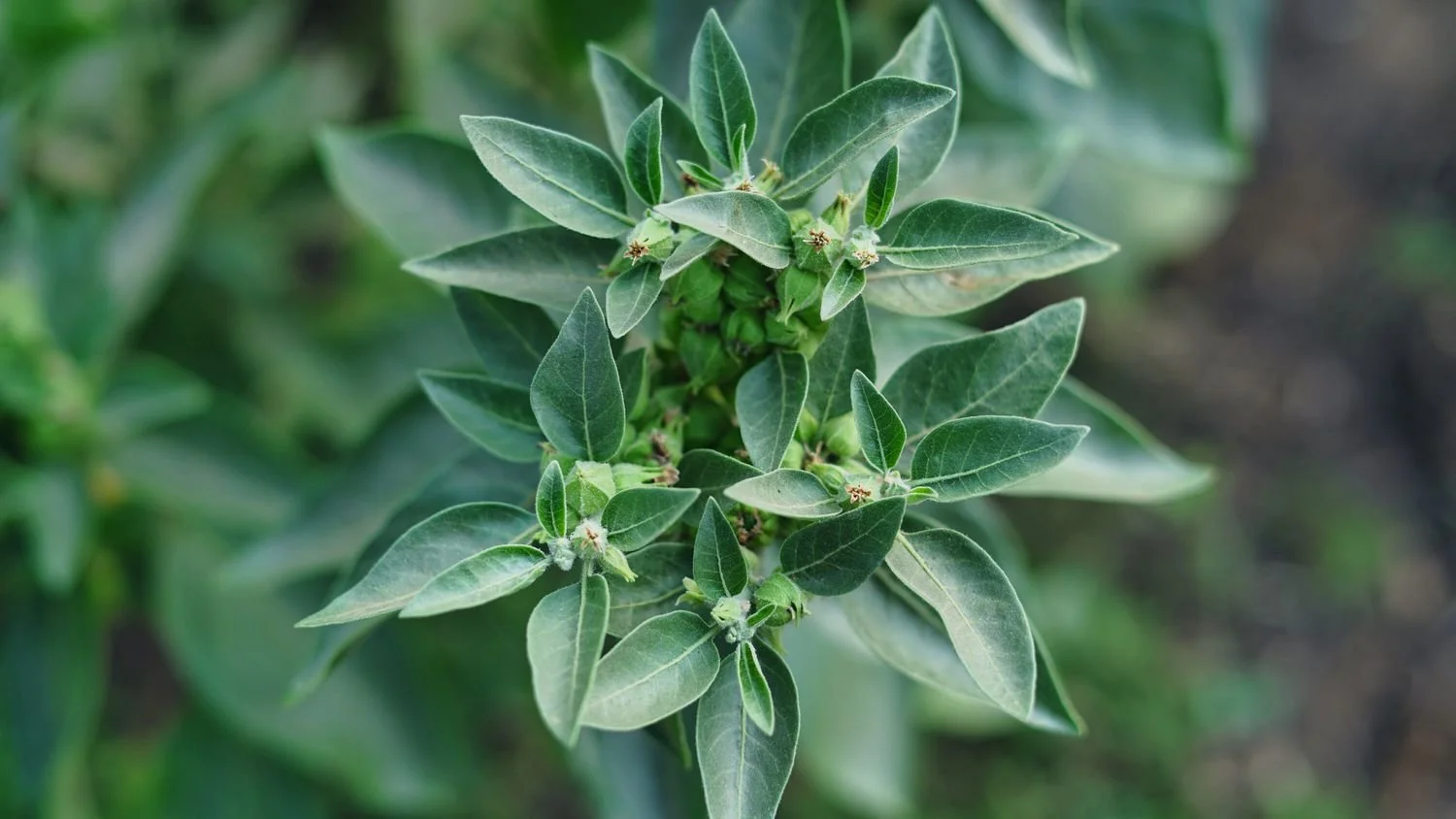
Withania somnifera
An incredibly resilient medicinal herb revered in Ayurveda, known for its stress-relieving roots and drought tolerance.
-
Light
Requires full sun to develop a strong root system and high concentrations of active medicinal compounds.
-
Temperature
70-95°F (21-35°C)
-
Growth
moderate
-
pH range
7.5-8.0
Quick Answer
Ashwagandha needs full sun, highly well-draining sandy soil, and very infrequent watering to thrive and produce its medicinal roots.
Vastu Placement
Vastu Placement and Practical Fit
Best Directions
Flexible
Best Rooms
Flexible placement
Light Range
Adaptable
Care Profile
General care rules apply
Overview
Ashwagandha (Withania somnifera), often called Indian Ginseng, is one of the most important herbs in Ayurveda. Known for its powerful adaptogenic properties, it has been used for millennia to relieve stress, increase energy levels, and improve concentration. As a garden plant, it is a hardy, drought-tolerant shrub that thrives in hot, dry conditions.
Planting and Soil Requirements
The key to successfully growing Ashwagandha is excellent drainage. It naturally grows in dry, rocky, or sandy soils. Heavy clay soils that retain moisture will quickly lead to root rot. If growing in pots, mix standard potting soil with coarse sand or perlite in a 1:1 ratio. It prefers slightly alkaline soil with a pH between 7.5 and 8.0.
Sunlight and Watering
This medicinal herb loves the sun. Plant it in a location that receives at least 6 to 8 hours of direct, unfiltered sunlight daily. Full sun is essential for the plant to produce a robust root system (which is the primary medicinal part). Once established, Ashwagandha is highly drought-tolerant. Only water when the soil is completely dry to the touch.
Harvesting the Roots
The roots are the prized harvest of the Ashwagandha plant. They are typically ready to be harvested in late fall, approximately 150-180 days after planting. Wait until the plant's leaves start drying out and the berries turn bright red. Carefully dig around the base to extract the long taproot, wash it thoroughly, and dry it in a well-ventilated, shaded area before processing.
Recommended next actions
Next Best Actions
Use calculators and guides to turn this plant profile into a practical care routine.
Guide
The Ultimate Guide to Growing Lavender
After cultivating over 10 acres of commercial lavender and testing dozens of varieties in pots over the past decade, we have perfected the precise watering and pruning methods needed to keep your lavender alive and blooming for years.
Guide
Calathea Orbifolia Care Guide: Growing the Most Stunning Prayer Plant
After cultivating over 50 Calatheas and maintaining high-humidity greenhouse environments for 5 years, we have mastered the art of keeping Calathea Orbifolia thriving indoors without brown edges.
Guide
Heatwave Plant Protection Guide: How to Save Your Plants from Extreme Heat
After managing commercial nurseries through intense triple-digit summers for over 15 years, we have developed proven, lifesaving strategies to protect fragile houseplants and vulnerable outdoor gardens from extreme heatwaves.
Calculator
Heat Stress Diagnosis Calculator
Diagnose plant heat stress risk from your temperature, humidity, sunlight exposure, and symptoms — then get specific watering, shade, and airflow actions.
Calculator
Watering Calculator
Calculate the correct watering frequency for your plant based on species, pot size, soil type, season, and climate.
Calculator
Aquarium Plant Fertilizer Dosage Calculator
Calculate exact macro and micro fertilizer doses for your planted aquarium based on tank volume, plant density, CO2 system, and dosing strategy.
Structured Plant Data
Plant Data Profile
Care values below are generated from the plant JSON fields so users and crawlers can read the structured plant profile directly on the page.
Growth Characteristics
Growth Rate
moderate
Mature Height
2-3 feet
Mature Spread
2 feet
Life Cycle
Perennial (in zones 9-11)
Flowering Season
Mid-summer to late autumn
Container Friendly
yes
Indoor Capable
no
Environmental Parameters
| Parameter | Recommended | Survivable |
|---|---|---|
| Temperature | 70-95°F (21-35°C) | 50-100°F (10-38°C) |
| Humidity | 30-50% | 20-70% |
| Soil PH | 7.5-8.0 | 6.5-8.5 |
Lighting
Description
Requires full sun to develop a strong root system and high concentrations of active medicinal compounds.
Nutrients
Nitrogen Demand
low
Phosphate Demand
moderate
Potassium Demand
high
Micronutrient Notes
Does not require heavy feeding. Too much nitrogen encourages leafy growth at the expense of root development.
Fertilizer Frequency
Feed once lightly in early spring with a balanced organic fertilizer.
Organic Options
Bone meal or a light application of compost.
Relationships
-
Root Rot
Vulnerability | Strength 10
Extremely susceptible to root rot in heavy clay or waterlogged soils.
Popular Ayurvedic Herbs
| Herb | Primary Benefit | Growth Habit |
|---|---|---|
| Ashwagandha | Stress relief and vitality | Bushy shrub (2-3 ft) |
| Tulsi (Holy Basil) | Immunity and respiratory health | Leafy herb (1-2 ft) |
| Neem | Detoxification and skin health | Large tree |
Troubleshooting Guide
1 Wilting despite moist soil
Cause: Root rot from poor drainage or overwatering.
Stop watering immediately and amend the soil with sand. If in a pot, ensure drainage holes are not blocked.
Glossary of Terms
- Adaptogen
- A natural substance considered to help the body adapt to stress and exert a normalizing effect upon bodily processes.
- Taproot
- A large, central, and dominant root from which other roots sprout laterally. This is the part of the Ashwagandha plant harvested for medicinal use.